 0
0
 0
0
Changing roofing materials is a larger decision than simply choosing a new color or exterior style. A different roofing system can affect installation planning, roof details, ventilation, drainage, appearance, and the way contractors approach transitions around existing features. Homeowners considering a material change should therefore evaluate the complete roof rather than comparing products by appearance alone.
Metal Roofing can offer a distinctive combination of durability, weather resistance, and design flexibility, qualities also identified in the existing company material. However, deciding to switch from another material requires understanding how the proposed system fits the home’s current construction. Roof configuration, existing conditions, penetrations, and surrounding exterior components can all influence project planning.
A professional evaluation provides useful information before material selections become final. Emerald Roofing and Siding LLC can review existing conditions and discuss how a different roofing system would interact with the property. Considering these details early helps homeowners approach the conversion as a complete roofing project rather than a simple material substitution.
Begin With the Condition of the Existing Roof
Before selecting a new material, homeowners need to understand what currently exists. The visible roofing surface is only one part of a system that can also include decking, underlayment, flashing, ventilation, and drainage components.
Existing company content describes these components as working together to protect the home. If underlying conditions require attention, identifying them during project planning can help establish a more accurate scope before installation begins.
Homeowners should also gather available information about previous roofing work. Installation dates, repair records, inspection reports, and known problem areas can provide useful background when the current system is evaluated.
Roof Shape Can Influence Installation Planning
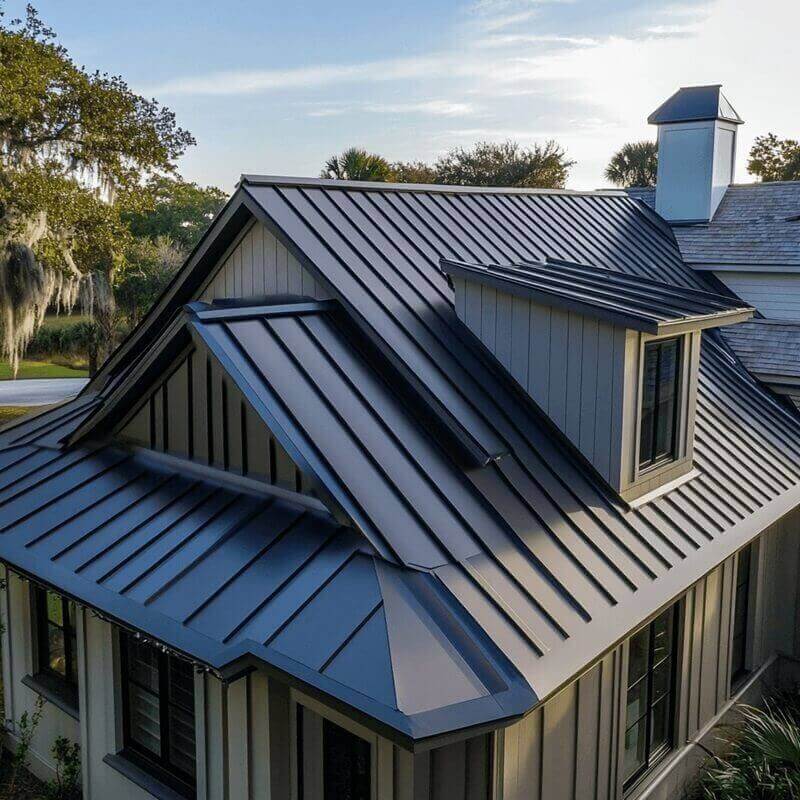
Homes vary considerably in roof configuration. Some have relatively simple planes, while others include valleys, dormers, multiple slopes, intersecting sections, or other architectural details.
These features can influence material quantities, flashing requirements, transitions, and installation complexity. A material that appears straightforward on a simple roof may require additional planning on a property with numerous intersections.
The goal is not to avoid complex roof designs. Instead, homeowners should recognize that the complete geometry of the property influences how any replacement system is planned and installed.
Existing Materials Need to Be Evaluated First
A conversion project begins with determining how the existing roof will be handled. The appropriate approach depends on current materials, their condition, the underlying assembly, and requirements associated with the planned system.
Homeowners should avoid assuming that a new roof can automatically be installed directly over whatever is already present. Existing conditions need evaluation before the project scope is established.
Emerald Roofing and Siding can assess the current roofing system and explain what preparation is appropriate for the property. This gives homeowners a clearer understanding of what must happen before new materials are installed.
Structural Conditions Deserve Appropriate Attention
Changing roofing systems involves more than the visible exterior finish. The structure beneath the roof must provide an appropriate foundation for the planned installation.
Existing Decking Should Be Considered
Decking forms an important part of the roofing assembly. Its condition can influence how effectively new materials and related components are installed.
Previous Problems May Provide Useful Clues
Recurring leaks, visible deterioration, or previous repair locations can identify areas deserving closer attention during evaluation. Those conditions should be understood rather than hidden beneath a new exterior surface.
A complete assessment allows the installation plan to reflect what actually exists beneath the current roof.
Appearance Should Complement the Entire Property
Roofing occupies a substantial portion of a home’s visible exterior. Changing its material can therefore influence the overall architectural appearance more significantly than homeowners initially expect.
Color is one consideration, but panel profiles, roof lines, siding, trim, masonry, windows, and other exterior materials also contribute to the finished result. Samples can help homeowners compare options against features already present on the property.
The existing company content notes that Metal Roofing offers design flexibility in addition to performance benefits. Using that flexibility thoughtfully can help the new roof feel integrated with the home rather than visually disconnected from the rest of the exterior.
Ventilation Remains Part of the Roofing System
A material conversion does not eliminate the need to consider ventilation. The existing residential roofing material emphasizes that balanced airflow can help regulate attic temperature and reduce moisture accumulation.
Homeowners can use a replacement project as an opportunity to have existing ventilation conditions evaluated. The goal is to understand whether the current arrangement remains appropriate for the planned roofing system and building configuration.
Ventilation should be treated as a functional component rather than an optional detail added after material selection. Its relationship with the broader roof assembly makes early planning more useful.
Flashing Details Need Careful Coordination
Roofs contain transitions where materials meet walls, chimneys, valleys, vents, skylights, and other features. These locations require appropriate detailing because they interrupt otherwise continuous roofing surfaces.
Switching materials can change how some of these transitions are approached. Existing flashing conditions should therefore be considered during project planning rather than assumed to remain unchanged.
Emerald Roofing and Siding LLC can evaluate these areas within the context of the proposed installation. Coordinating details from the beginning supports a more complete system instead of focusing exclusively on the large visible roof surfaces.
Gutters and Drainage Should Be Reviewed Together
Rainfall needs a continuous route from the roof surface to an appropriate discharge area. A roofing project provides an opportunity to review how gutters, downspouts, roof edges, and surrounding drainage currently perform.
Homeowners can observe whether gutters overflow, sections appear damaged, or runoff regularly reaches unintended exterior areas. These conditions may deserve attention while roofing improvements are being planned.
The objective is coordination, not automatically replacing every related exterior component. Understanding how water leaves the new roof helps ensure drainage remains part of the project conversation.
Think About Future Exterior Improvements
Homeowners planning siding, gutter, solar, ventilation, or other exterior work should mention those intentions before roofing begins. Future projects can interact with roof edges, penetrations, flashing, or access requirements.
Coordinating improvement schedules may reduce the need to disturb recently completed work. Even when projects cannot happen simultaneously, contractors can understand what changes are expected later.
Long-term planning is particularly useful when a homeowner is updating several exterior systems over a period of years. The roof can then become one coordinated stage of a broader property improvement strategy.
Ask About Maintenance Expectations
Different roofing materials can have different inspection and maintenance considerations. Homeowners should understand what routine observations and professional evaluations may be appropriate after installation.
No roofing system should be assumed to require zero attention indefinitely. Storms, debris, penetrations, drainage conditions, and normal weather exposure can still create reasons for periodic evaluation.
Keeping installation documents and future inspection records together can help homeowners follow the history of the system. Organized records also provide useful information if questions develop years after the original project.
Compare Long-Term Priorities Instead of Appearance Alone
Material selection should reflect what the homeowner wants from the roof over many years. Appearance may be a major priority, but maintenance expectations, weather exposure, project budget, architectural compatibility, and ownership plans can also influence the decision.
The uploaded residential roofing material recommends considering climate, maintenance preferences, architectural style, and long-term goals when comparing roofing products. These factors become particularly relevant when changing from one material category to another.
Metal Roofing should therefore be evaluated as a complete system choice rather than selected because of one isolated characteristic. Understanding how it fits the property creates a stronger basis for comparison.
Plan the Conversion Around the Whole Roofing System
Switching from a traditional roofing material to a different system creates an opportunity to look beyond the visible surface. Existing materials, decking, ventilation, flashing, drainage, penetrations, roof geometry, and future exterior improvements can all influence project planning.
Homeowners benefit from resolving these considerations before installation begins. A clear understanding of existing conditions makes it easier to compare material options, establish realistic expectations, and coordinate the roof with other exterior components.
The best conversion plan connects material selection with the physical characteristics of the home. By considering construction details alongside appearance and long-term goals, homeowners can make a roofing decision that fits both the building they have today and the property improvements they expect to make in the future.



Author Profile

Latest entries
 The HubOctober 10, 2026How Digital Marketing and Smart Budgeting Are Transforming the Sports Industry
 Online BettingOctober 9, 2026Lambabet and the Main Bonuses for New Players
 Online BettingOctober 9, 2026Dodgers vs Brewers Props Guide: Home Run Threats, Power Bats and Key Factors
 MMAOctober 7, 2026Petr Yan vs. Merab Dvalishvili III: A Trilogy Built on Chaos, Cardio, and Championship Stakes
About the Author