
 0
0
 0
0
A home’s exterior may look like one continuous surface from the street, but it often contains several materials with very different characteristics. Vinyl siding, painted wood, fiber cement, stucco, brick, trim, and decorative features can all respond differently to water, cleaning solutions, and physical force. Treating every surface identically can therefore create unnecessary problems.
Exterior house washing works best when the cleaning approach reflects the material being treated. The goal is to remove dirt, pollen, organic growth, and environmental residue without disturbing finishes or forcing water into vulnerable areas. That requires more consideration than simply selecting equipment and applying the same technique across the entire property.
Homeowners benefit from identifying exterior materials before cleaning begins. Slon Exterior Care can assess the surfaces around a property and determine where cleaning methods may need to change. Understanding material differences creates a more deliberate maintenance process while helping preserve the appearance and condition of siding, masonry, trim, and other exterior features.
Start by Mapping the Materials Around the Home
Many properties contain more exterior materials than homeowners initially realize. The main siding may cover most walls, but masonry accents, painted trim, wood details, soffits, doors, and other features interrupt those larger surfaces. Additions and previous renovations can introduce even more material combinations.
Creating a simple visual inventory helps identify where cleaning conditions change. One wall might contain vinyl siding beside painted window trim, while another transitions into brick near the foundation. Each boundary deserves attention because a method suitable for one surface may not be appropriate for its neighbor.
Condition matters alongside material type. Newer siding and weathered siding made from similar materials may not respond identically. Existing cracks, loose components, deteriorated finishes, and damaged seals should be noticed before cleaning starts.
Vinyl Siding Requires Attention to Seams and Openings
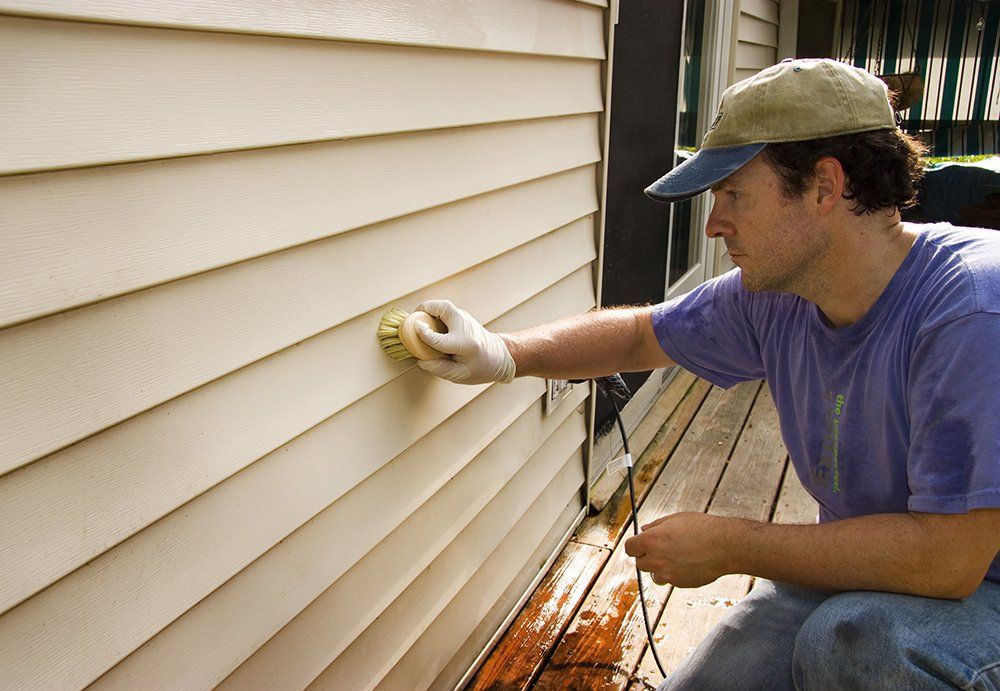
Vinyl siding is common because it provides a durable exterior with relatively straightforward maintenance requirements. Its overlapping construction, however, means water should be managed carefully around seams and edges. Windows, doors, vents, and other openings add further transitions within the wall.
Dirt and biological growth may be particularly noticeable on shaded sections where surfaces remain damp longer. Cleaning should target this buildup without assuming greater force automatically produces a better result. The objective is controlled removal rather than aggressive treatment.
Exterior house washing should also account for loose or damaged siding before work begins. Cleaning cannot correct a physical defect in the material. Identifying those areas beforehand allows them to receive appropriate attention rather than being overlooked beneath surface contamination.
Painted Wood Needs a More Cautious Approach
Painted wood introduces different concerns because the protective coating is an important part of the exterior system. Older paint may already contain peeling, cracking, or worn sections. Excessively aggressive cleaning can disturb a finish that was compromised before maintenance started.
Inspect the Paint Before Cleaning Begins
A visual inspection can identify areas where paint has separated from the underlying surface. These locations may require a modified approach, especially when repainting is not immediately planned. Cleaning should reveal the home’s condition without unnecessarily accelerating existing finish loss.
Wood components may also contain joints, trim connections, and other details where water exposure deserves consideration. Slon Exterior Care can adjust cleaning methods according to visible material and finish conditions rather than treating painted wood like more durable hardscape surfaces.
Fiber Cement Siding Has Its Own Maintenance Needs
Fiber cement siding can resemble wood while having different material characteristics. Its painted surface still requires thoughtful cleaning, particularly around joints, edges, trim, and areas where the exterior finish has experienced wear.
Accumulated dust and organic growth can make sections appear uneven or discolored. Removing that buildup may restore a more consistent appearance and make underlying maintenance concerns easier to identify. The cleaning process should remain appropriate for the manufacturer’s material and the condition of the installed siding.
Homeowners should pay attention to lower wall sections where landscaping or soil can contribute additional dirt. Areas near roof drainage points may also develop different staining patterns from more protected portions of the exterior.
Stucco Requires Care Around Texture and Existing Cracks
Stucco presents a textured surface where dirt can settle into small irregularities. Shaded walls may also develop visible organic growth that follows moisture patterns across the exterior. These characteristics can make contamination appear more embedded than it does on smoother siding.
Existing cracks deserve attention before cleaning. Surface maintenance should not be expected to solve structural or finish defects, and vulnerable areas may require evaluation before water is introduced. Recognizing these conditions prevents cleaning from being treated as a substitute for necessary repairs.
Texture can also influence how residue releases from the surface. A technique that works efficiently on smooth siding may need adjustment on a rougher finish to achieve consistent results without unnecessary force.
Brick and Masonry Should Not Be Treated Like Siding
Brick creates another set of cleaning considerations because the exterior includes both masonry units and joints between them. Age, surface condition, previous coatings, and mortar quality can influence the appropriate cleaning approach. Older masonry may require particularly careful evaluation.
Staining on brick can have different causes, so identifying the type of buildup matters. Ordinary environmental dirt is different from discoloration associated with another property condition. Cleaning should address removable contamination rather than assuming every mark has the same source.
Slon Exterior Care can consider masonry separately when a property combines brick with other exterior materials. This distinction helps prevent a one-method approach from being used across surfaces with substantially different characteristics.
Give Trim and Decorative Features Individual Attention
Trim may occupy less exterior area than siding, yet it creates numerous transitions around windows, doors, roof edges, and architectural details. Painted trim can also weather differently because certain sections receive more sunlight or moisture than neighboring wall surfaces.
Decorative shutters, columns, railings, and similar features may be made from wood, composite materials, metal, or other products. Their construction and finish should be identified before cleaning. Small details should not automatically receive the same treatment as the broad wall behind them.
Exterior house washing becomes more consistent when these features are included in the original cleaning plan. Adjusting the method at material transitions helps maintain a uniform appearance without overlooking more delicate components.
Protect Windows, Doors, and Exterior Openings
A wall contains many places where exterior cleaning meets another building component. Windows, doors, vents, utility penetrations, electrical fixtures, and other openings interrupt the siding and create areas that deserve additional awareness.
Existing gaps or damaged seals should be noted before work begins. Cleaning is intended to remove exterior buildup, not test the weather resistance of compromised openings. Identifying questionable conditions beforehand allows the cleaning approach to account for them.
Landscaping and outdoor belongings also deserve preparation. Plants, furniture, decorations, and other items near the work area may need consideration depending on their location and the cleaning process being used.
Match the Method to Both Material and Condition
Material identification is only the first step. Two homes with the same siding type may require different approaches because one exterior is newer while the other has weathered finishes, previous repairs, or areas of deterioration. Exposure to trees, shade, roads, and moisture can create additional differences.
A professional assessment considers these conditions before determining how cleaning should proceed. Slon Exterior Care can adapt exterior maintenance to the surfaces actually present rather than assuming every house requires an identical process.
This approach also makes future maintenance easier to plan. Homeowners can observe which sections collect dirt faster and which materials show organic growth more readily, allowing later cleaning to respond to real property conditions.
Build Exterior Cleaning Around the Home Itself
Effective exterior maintenance starts with recognizing that a house is made from multiple surfaces performing different jobs. Vinyl, wood, fiber cement, stucco, brick, trim, and decorative features each bring their own cleaning considerations. A single aggressive method is unlikely to be the best answer for every component.
A material-specific plan allows cleaning to remain focused on removing buildup while respecting existing finishes and vulnerable transitions. Inspection before work begins also helps separate cleaning needs from repairs that require a different solution.
Homeowners who understand these differences can approach exterior care with greater confidence. By matching cleaning methods to materials and their current condition, routine maintenance becomes more precise, more practical, and better suited to preserving the varied surfaces that create the home’s finished exterior.



Author Profile

Latest entries
 The HubOctober 10, 2026How Digital Marketing and Smart Budgeting Are Transforming the Sports Industry
 Online BettingOctober 9, 2026Lambabet and the Main Bonuses for New Players
 Online BettingOctober 9, 2026Dodgers vs Brewers Props Guide: Home Run Threats, Power Bats and Key Factors
 MMAOctober 7, 2026Petr Yan vs. Merab Dvalishvili III: A Trilogy Built on Chaos, Cardio, and Championship Stakes
About the Author