 0
0
 0
0
The WNBA has officially entered its golden economic era. Just last month, the league finalized a landmark 11-year, $3.1 billion media rights portfolio with broadcast giants like Disney, NBCUniversal, and Amazon Prime Video. It pushed the league’s annual broadcast revenue to a staggering $281 million—nearly 6.5 times its previous mark.
The league is expanding, valuations are skyrocketing, and arenas across the continent are selling out on a Tuesday night. Yet, behind the glitz of billion-dollar boardrooms lies an uncomfortable, glaring subtext playing out live on the hardwood. The physical play in the WNBA hasn’t just intensified; it has mutated into something that feels punitive, personal, and entirely out of hand.
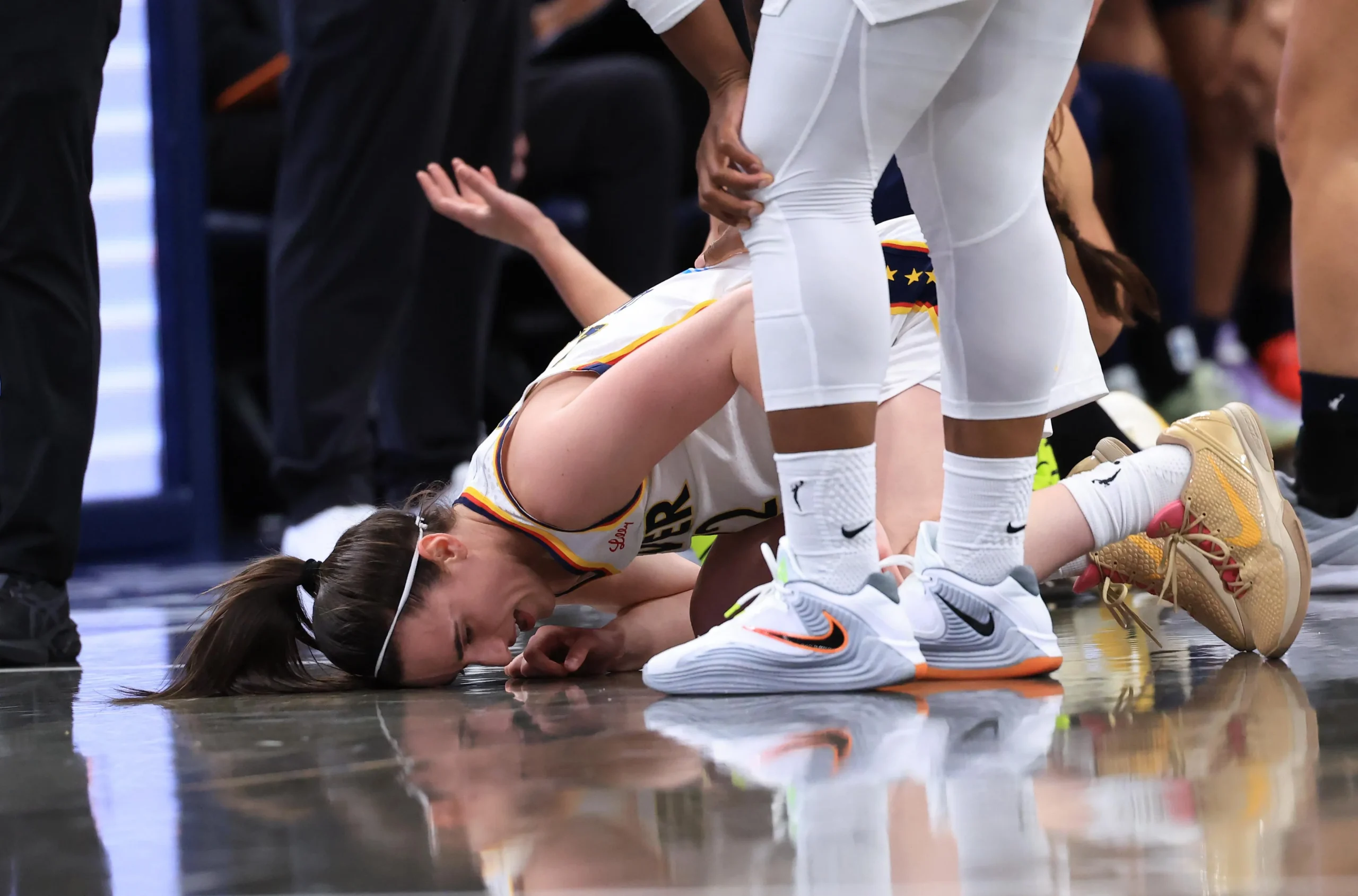
At the epicenter of this physical gauntlet stands Indiana Fever guard Caitlin Clark, who continues to take a literal and figurative beating from a league that seems deeply conflicted about her historic standing.
The Hardwood Gauntlet: Taking a Literal Beating
When Clark entered the league in 2024, the narrative was simple: “Welcome to the pros, kid.” Basketball is a contact sport, and rookies have historically been forced to earn their stripes through a rite of passage of hard screens and physical defense.
The cost of fines for technical and flagrant fouls has increased under the new WNBA CBA. But they’ve increased at a much lower rate than players’ salaries.
On the WNBA’s tech and flagrant foul fine structure, plus the cost of a flopping violation ⬇️https://t.co/743PH4lPM3
— Colin Salao (@colincsalao) May 4, 2026
However, we are now in the 2026 season, and the “initiation” has long since evolved into targeting. Coming off an injury-plagued 2025 campaign where she missed significant time with groin and ankle issues, Clark’s return to full health has been met with a defensive strategy that often looks more like a grudge match than a basketball game.
The Highlight Reel of Hard Fouls: From blindside screen-kills to flagrant-1 neck-and-throat strikes, the line between “playing hard” and “malicious intent” has blurred.
Collateral Damage: It isn’t just Clark. Other dynamic young stars and high-profile rookies are finding themselves subjected to an overly aggressive, borderline hostile standard of refereeing that allows dangerous non-basketball plays to slide under the guise of “traditional WNBA grit.”
The Whistle Disconnect: Fans and analysts have grown increasingly frustrated with an officiating corps that seems hesitant to protect its premier ball-handlers, often letting blatant body-checks pass as standard perimeter defense.
The Economic Paradox
To understand why this is happening, one must look at the staggering economic dichotomy defining the sport today.
The irony is thick enough to choke on. The very players delivering these bruising, extra-physical messages on the court are currently enjoying the luxury of charter flights, unprecedented national television exposure, and massive impending salary cap spikes entirely because of the cultural tsunami Clark brought with her from Iowa. She didn’t just move the needle; she created an entirely new dial.
The Roots of the Resentment
Why does a league systematically bite the hand that feeds it? The answer lies in deeply rooted, professional resentment.
For over two decades, WNBA pioneers grinded in near-empty arenas, took commercial flights with multiple layovers, and played overseas in the winters just to make ends meet. They built a league on blood, sweat, and anonymity.
When a singular figure steps into the league and instantly commands global endorsements, signature shoes, and historic television valuations before ever winning a professional championship, a psychological fracture is inevitable.
The underlying undercurrent of the league’s veteran core is palpable: We laid the bricks, so why does she get to live in the palace? This resentment has manifested on the court. Unable to slow down the economic shift, rival players seem determined to prove their superiority through pure, unadulterated physical intimidation. Every hard foul feels less like a tactical basketball play and more like an emotional statement meant to devalue Clark’s global standing.
Protecting the Golden Goose
There is a massive difference between the beautiful, physical artistry of elite defense and a product that looks like an active safety hazard.
If the WNBA wants to protect its newly minted $3.1 billion valuation, the front office and the competition committee need to step in and establish boundaries. Fans do not tune in by the millions to watch their favorite players get dragged to the floor or forced back onto the injury report due to unchecked hostility.
Competition is healthy. Gatekeeping through physical endangerment is a fast track to self-sabotage. It’s time for the WNBA to realize that respecting Caitlin Clark’s transformative impact doesn’t mean bowing down to her—it just means stopping the madness before someone gets seriously hurt.


Author Profile

- CEO NGSC Sports
Latest entries
 WNBAOctober 10, 2026WNBA Playoffs: Historic Sweeps Send Atlanta Dream and Golden State Valkyries to the Finals
 MLBOctober 9, 2026Guardians Storm Back to Force Winner-Take-All Game 5 After 9-5 Victory Over White Sox
 NFCOctober 9, 2026Rock Bottom in Arlington: Cowboys Season Hits Wall in Prime-Time Shock to Bucs
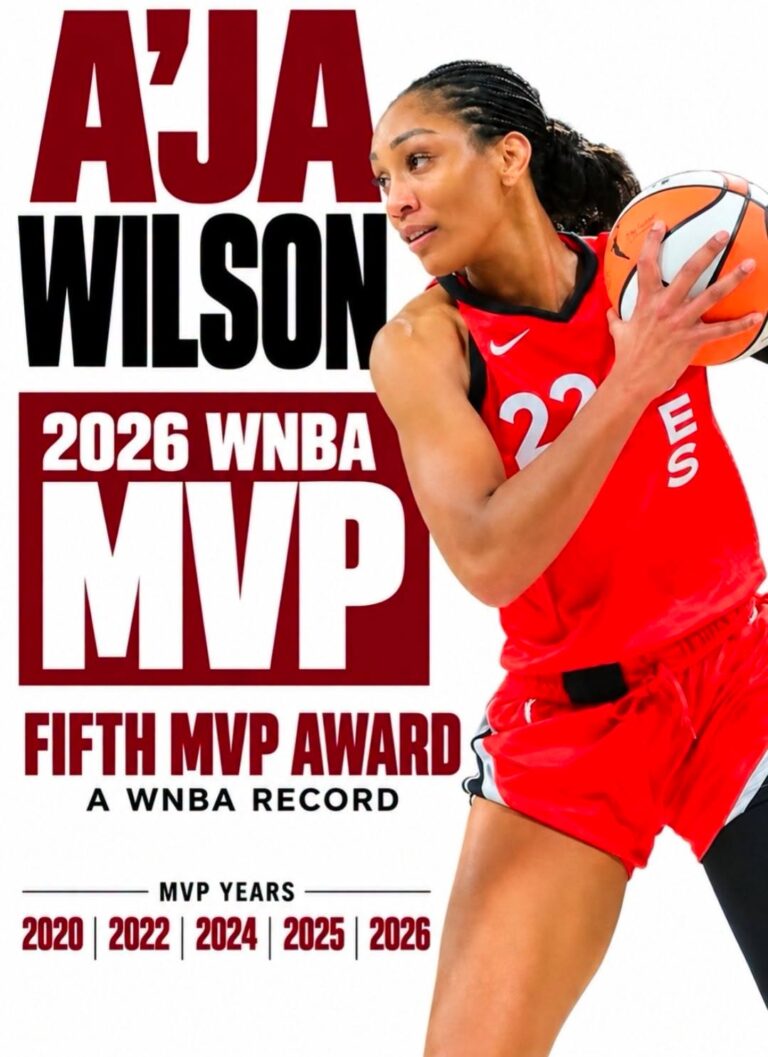
 WNBAOctober 9, 2026On Another Planet: A’ja Wilson Claims Historic Fifth WNBA MVP Award
About the Author