 0
0
 0
0
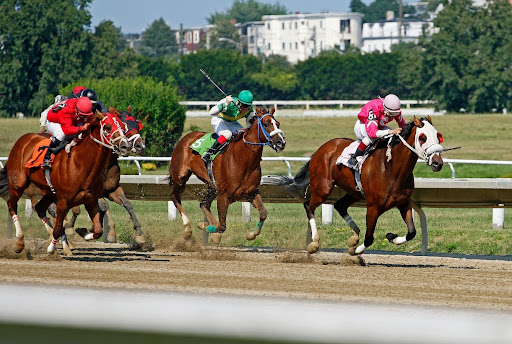
The 2026 Belmont Stakes takes place on June 6 at Saratoga Race Course in Saratoga Springs, New York. It marks the third consecutive year the race has been held away from Belmont Park while renovations continue on the historic venue.
Even with the temporary move, the Belmont Stakes remains one of the defining races in American horse racing and the final chapter of the Triple Crown season. This year’s race again uses the 1¼ mile format introduced during the Saratoga transition. That adjustment has changed how fans evaluate contenders after the Kentucky Derby and Preakness Stakes. By June, fans have already watched top horses compete under pressure, travel between tracks, and respond to changing race conditions. That history adds depth to every Belmont Stakes conversation.
Triple Crown Storylines Matter
The Belmont Stakes is never just one race. It reflects everything that happened during the Triple Crown season. Fans following the Kentucky Derby and Preakness Stakes already know which horses handle pressure best, which trainers adapt quickly, and which jockeys excel in crowded fields.
In 2026, attention continues to build around Kentucky Derby winner Golden Tempo and Preakness Stakes winner Napoleon Solo. Their performances created different expectations entering Saratoga.
Golden Tempo showed strong pace control at Churchill Downs, while Napoleon Solo relied on late acceleration in Baltimore. That contrast could shape the entire Belmont pace scenario.
Key factors often followed during Belmont week include:
- Morning workouts,
- Post position assignments,
- Jockey selections,
- Saratoga track conditions.
Several other contenders also remain in focus ahead of the final field announcement. Horses such as Renegade, Commandment, and Further Ado continue to attract attention after strong spring campaigns. Fans are also studying how trainers manage recovery time between Triple Crown races.
Saratoga Creates Different Conditions
Saratoga Race Course changes how fans approach Belmont Stakes analysis. The track layout differs from Belmont Park, particularly in how horses are positioned entering the final turn. Horses that handle tighter tracks well often draw extra attention during race week.
The temporary 1¼ mile Belmont distance also affects preparation. Traditionally, the Belmont Stakes tested stamina over 1½ miles. Saratoga’s configuration shortens the race and places greater emphasis on tactical speed and efficient movement through traffic.
Fans tracking odds movement throughout the week often use platforms like FanDuel to monitor changes after workouts and post draws. Belmont odds can shift quickly once trainers discuss race strategy or weather conditions begin affecting the track surface.
Saratoga also rewards horses comfortable in busy racing environments. The Belmont Racing Festival attracts large crowds and features several major stakes races leading up to the Belmont. Watching earlier races often helps fans understand how the surface is playing and whether front-runners or closers are performing better during the week.
Watching the Field Take Shape
Belmont Stakes preparation becomes more interesting once horses arrive at Saratoga for final training sessions. Fans closely follow workout times, paddock behavior, and trainer interviews throughout the week. Small details often influence public perception before the final odds settle.
The Belmont field remains smaller than the Kentucky Derby, which creates a more tactical race. With fewer horses competing, positioning becomes even more important entering Saratoga’s turns. Jockey decisions during the opening stages can shape how the race develops later.
Many fans also track how Belmont contenders performed in earlier Triple Crown races. Some horses improve with extra rest, while others thrive on steady racing through the spring season. Evaluating those patterns helps explain why Belmont conversations often continue changing until race day.
Saratoga’s atmosphere also affects preparation. The historic venue creates intense energy during major racing weekends, especially when Triple Crown storylines remain active. Trainers frequently discuss how horses respond mentally to crowded surroundings, busy paddocks, and the unique rhythm of Saratoga racing.
The Festival Adds More Insight
The 2026 Belmont Stakes Racing Festival runs from June 3 through June 7 and includes multiple graded stakes races before the main event. For racing fans, the festival provides valuable insight into Saratoga conditions before Belmont Day arrives.
Track tendencies sometimes become clear early in the week. Certain paths may appear faster, while some jockeys begin building momentum across several races. Trainers also use earlier stakes races to evaluate how horses are responding to Saratoga’s surface and atmosphere.
The Belmont Festival creates a broader experience than a single afternoon race. Fans spend several days following workouts, interviews, and changes in the projected field. That steady flow of information often shapes public discussion leading into Saturday. The festival atmosphere also highlights Saratoga’s importance in American racing history. Packed grandstands, strong stakes fields, and national attention make Belmont week one of the sport’s biggest annual events.
How Fans Follow Belmont Week
Belmont Stakes week extends far beyond race day itself. Fans begin following developments as soon as horses arrive at Saratoga for final preparations. Morning workouts often become one of the biggest discussion points because they reveal how comfortably contenders are handling the track surface and atmosphere.
Trainer interviews also shape expectations throughout the week. Comments on recovery, energy levels, and preferred race tactics can quickly shift public interest toward specific horses. Jockey assignments receive similar attention, especially when experienced Saratoga riders join major contenders before the final leg of the Triple Crown.
Many fans also study previous Saratoga performances when evaluating Belmont runners. Horses that have already handled Saratoga’s tighter turns and active race environment may attract stronger support entering race weekend.
The Belmont Racing Festival creates constant activity across several days, giving fans multiple opportunities to follow trends before the main event. Watching undercard races can offer useful insight into pace, running styles, and how the surface is playing ahead of Saturday afternoon.
Why the 2026 Belmont Stakes Feels Different This Year
The Belmont Stakes closes the Triple Crown season with a different kind of energy than the earlier races. By June, fans have already followed the top three-year-olds through months of competition, preparation, and national attention. That history gives the Belmont added meaning as the final major test of the spring racing calendar.
The 2026 edition also continues Saratoga’s temporary role as host of one of horse racing’s most celebrated events. The combination of historic surroundings, elite contenders, and evolving Triple Crown storylines keeps attention focused on Belmont week from the first workouts through race day. Fans planning to follow the race should watch updates closely throughout the week. Trainer comments, post positions, and track conditions often shape the conversation before the gates open at Saratoga Race Course.



Author Profile

Latest entries
 FitnessSeptember 30, 2026How Protein Supports Different Types of Fitness Goals
 The HubSeptember 30, 2026How to Add Halloween Patches to Your Costume the Right Way
 GamingSeptember 29, 2026Transparent Rewards and Next-Generation Digital Casino Bonuses in 2026
 GamingSeptember 29, 2026Megaways Slots Challenge Traditional Fixed-Payline Engines Across Online Casino Lobbies
About the Author