 0
0
 0
0
If there is one thing NFL fans have learned over the years, it’s that when an elite franchise cornerstone quietly rearranges his massive contract to defer millions of dollars, something is brewing behind closed doors.
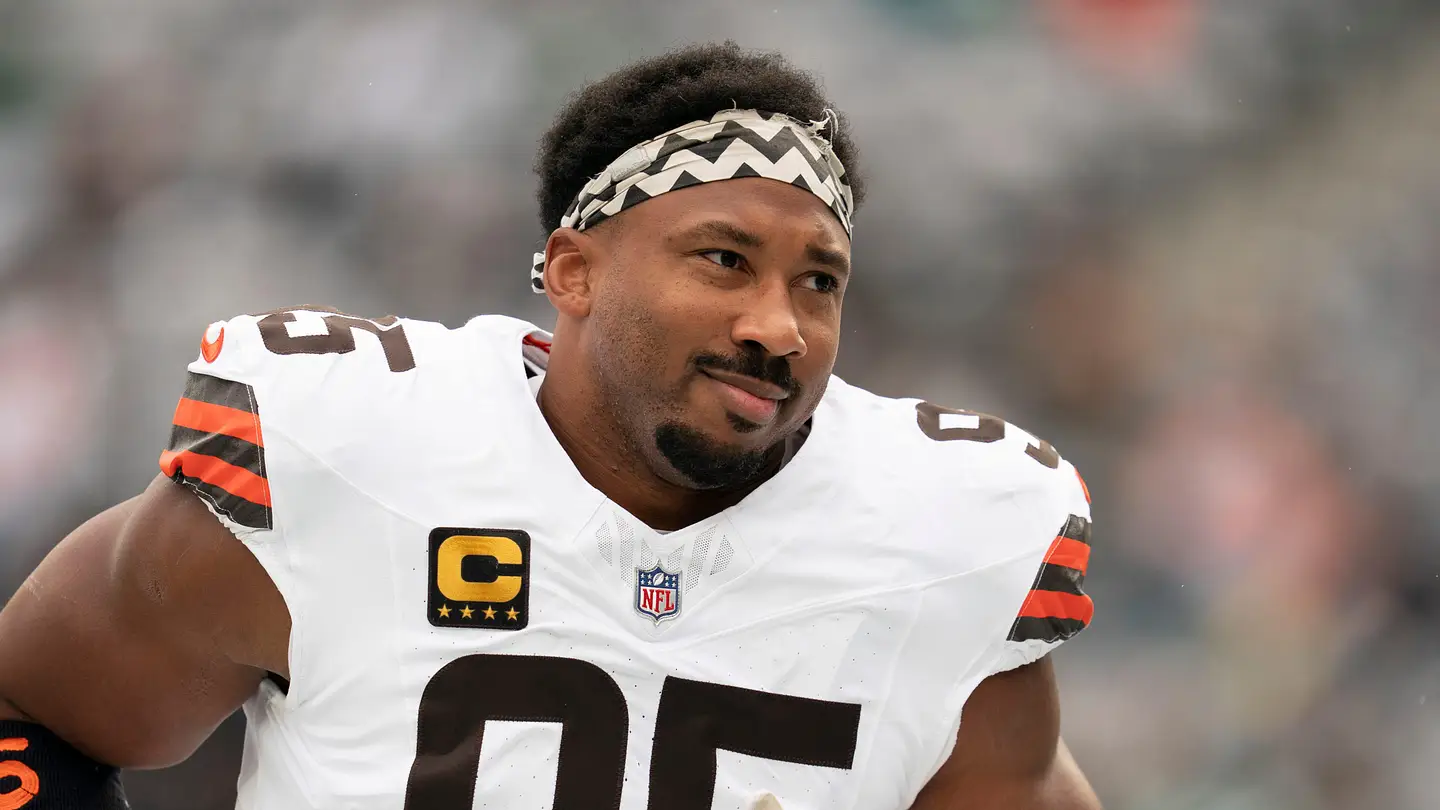
That is exactly the mystery captivating the NFL right now. In late March, the Cleveland Browns and reigning Defensive Player of the Year Myles Garrett quietly agreed to a highly unusual contract modification. The tweak pushed Garrett’s lucrative option bonus deadlines—originally scheduled for late March—all the way back to September 2.
By signing off on this, Garrett effectively agreed to hold off on receiving a massive influx of cash for nearly six months. On top of that, he has chosen to skip the team’s voluntary spring workouts under new head coach Todd Monken, willingly forfeiting a fully guaranteed $1 million workout bonus.
Is this just standard salary cap gymnastics, or is it a glaring, blinking sign that the Browns are quietly preparing for a blockbuster trade? Let’s dive into the financial mechanics and the locker room reality.
The Financial Blueprint: Why Defer the Bonus?
From a purely technical perspective, moving Garrett’s option deadline from March to September does something massive for the front office: it expands the trade window.
Under his original contract language, the Browns would have been forced to exercise his option in March, tying them to a $29.2 million commitment. Had they tried to trade him during or immediately after the NFL Draft with that option exercised, it would have triggered a catastrophic $69.5 million dead money cap hit for Cleveland. With just over $22 million in available cap space at the time, a trade was structurally impossible.
By pushing that option deadline to September 2, the math completely flips:
The Sunk Cost Evaporates: Because the option hasn’t been exercised yet, the Browns don’t owe that money today. If they trade Garrett, the acquiring team becomes responsible for paying the option bonus in September.
The Post-June 1 Loophole: By pushing the decision past June 1, the Browns can now spread any remaining dead cap hit over two seasons instead of swallowing it all at once. According to cap analysts, a post-June 1 trade drops Cleveland’s 2026 dead cap penalty to a highly manageable $16.8 million.
The Verdict on the Cash: Garrett didn’t take a pay cut, but he did agree to wait. In exchange, the Browns tossed in late-career roster bonuses and structural tweaks in 2029 and 2030 to lower his future cap hits. But the immediate, unignorable byproduct of this deal is that Cleveland completely cleared the runway for a summer trade.
The Discontent: Coaching Drama and the $1 Million No-Show
If this were just about the front office hoarding cap flexibility, you could dismiss it as typical executive maneuvering. But Garrett’s behavior this spring has poured high-octane fuel on the trade fire.
Garrett has been completely absent from voluntary OTAs and spring practices. While elite veterans skipping voluntary spring workouts is nothing new, Garrett had a literal $1 million incentive baked into his contract requiring his participation. For a player to willingly set seven figures on fire just to stay away from the team facility tells you everything you need to know about his current mindset.
The Root of the Frustration
League insiders point directly to the Browns’ coaching carousel this offseason. Following a disappointing five-win campaign in 2025, the Browns hired Todd Monken as head coach.
Garrett had loudly and publicly campaigned for defensive coordinator Jim Schwartz to get the head coaching job. When ownership passed over Schwartz for Monken, Schwartz resigned. Garrett’s subsequent no-show—and the fact that he reportedly hasn’t even met with Monken in person yet—has rival executives convinced that the superstar edge rusher is experiencing major remorse about his future in Cleveland.
Is a Trade Actually Going to Happen?
While Browns General Manager Andrew Berry publicly brushed off the rumors, claiming, “If we wanted to trade Myles, we wouldn’t have needed to make a contract adjustment,” actions in the NFL always speak louder than words. Insiders across the league indicate that the “door remains cracked” for a monumental deal before training camp kicks off.
However, pulling off a trade for a player of Garrett’s caliber isn’t as simple as swapping draft picks.
Because Garrett holds a full no-trade clause, he possesses absolute veto power over any deal. He won’t just go anywhere; he will only waive that clause for a legitimate, immediate Super Bowl contender where he can comfortably chase a ring.
If the phone rings and a team like the Philadelphia Eagles or Detroit Lions offers a king’s ransom of multiple first-round picks plus a young, blue-chip player on a rookie contract, the Browns now have the financial framework to pull the trigger.
Holding off on that bonus wasn’t an accident. It was an insurance policy. Whether the Browns actually use it depends entirely on how messy things get in Cleveland over the next two months.


Author Profile

Latest entries
 WWEOctober 14, 2026The Ultimate Star-Maker: Why Money in the Bank Defines the Future of WWE
 The HubOctober 10, 2026How Digital Marketing and Smart Budgeting Are Transforming the Sports Industry
 Online BettingOctober 9, 2026Lambabet and the Main Bonuses for New Players
 Online BettingOctober 9, 2026Dodgers vs Brewers Props Guide: Home Run Threats, Power Bats and Key Factors
About the Author