 0
0
 0
0
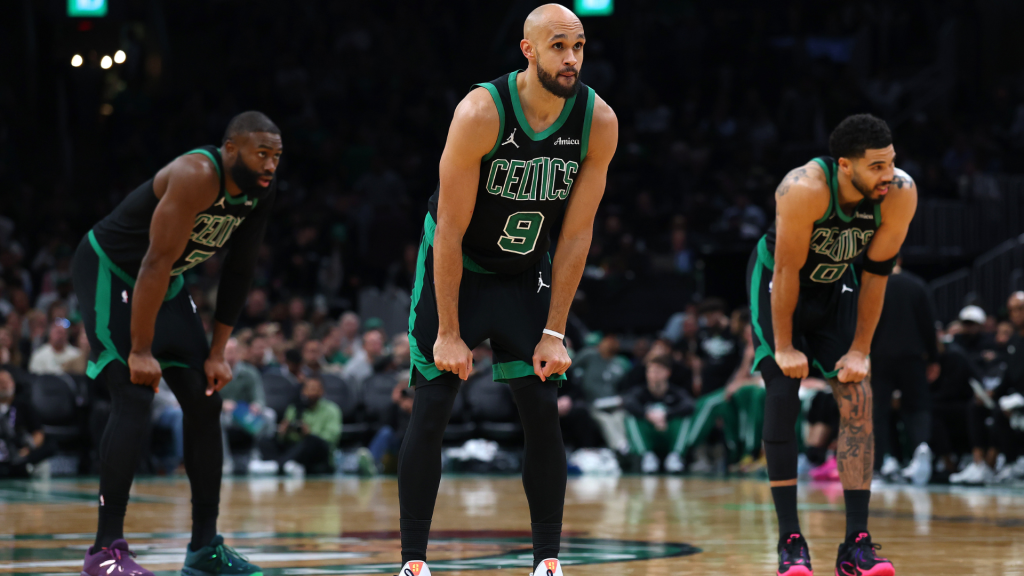
The 2026 postseason will be remembered in Boston as the “April of Nightmares.” After holding a commanding 3–1 lead over the rival 76ers, the Celtics watched their championship aspirations evaporate in a Game 7 collapse that exposed every structural crack in the roster.
With Jayson Tatum watching from the sidelines with knee stiffness and Jaylen Brown unable to solo-carry the load against a resurgent Joel Embiid, Brad Stevens now faces the most pivotal offseason of his executive career. The “plan” in Boston is no longer about fine-tuning; it’s about a fundamental re-evaluation of how this team is built to win.
1. The “Jays” Dilemma: To Split or Not to Split?
Every time the Celtics stumble, the “Break up the Jays” discourse returns. However, with Tatum and Brown both in their prime and locked into supermax deals, a trade remains the “nuclear option.”
- The Reality: Brad Stevens has shown zero inclination to move his stars. Instead, the focus will be on refining the hierarchy. * The Plan: Expect the front office to have hard conversations about late-game offensive stagnation. The plan isn’t to move Brown, but to find a true floor general who can take the playmaking burden off the wings in the clutch.
2. “Luka Garza-Proofing” the Bench
The Game 7 loss was a glaring indictment of Boston’s lack of depth. When Tatum went down, the Celtics were forced to start rookies and deep-bench players like Luka Garza and Ron Harper Jr. in a winner-take-all game.
- The Issue: The Celtics relied too heavily on their “Top 6” and got burned when the injury bug bit.
- The Plan: Targeted veteran acquisition. Boston needs “winning role players” who have been there before. Look for them to target veteran wings and a reliable backup “big” who can actually match up physically with the likes of Embiid or Giannis when KP is resting or injured.
3. Managing the “Second Apron” Hell
The new CBA has made it nearly impossible for high-spending teams to improve via trade or the mid-level exception. Boston is deep into the second apron, meaning they are limited to veteran minimum contracts and cannot take back more salary than they send out in trades.
- The Plan: Strategic consolidation. Don’t be surprised if the Celtics look to trade two or three of their younger, unproven pieces (and their remaining draft capital) to land one high-impact veteran making $10–15 million. They need to turn “potential” into “proven production” immediately.
4. The Joe Mazzulla Question
While Mazzulla has the support of the locker room, blowing a 3–1 lead will inevitably put a coach under the microscope.
- The Plan: Staff reinforcement. If Stevens keeps Mazzulla, he will likely look to bring in a heavyweight lead assistant—someone with head coaching experience—to help with in-game adjustments and defensive schemes that failed to contain Tyrese Maxey in the final three games of the Philly series.
Potential Offseason Targets
| Position | Target Type | Why? |
| Point Guard | Defensive Playmaker | To allow Tatum/Brown to play off-ball and reduce turnovers. |
| Center | Physical Bruiser | To provide a “thumper” off the bench for matchups against elite bigs. |
| Wing | 3-and-D Veteran | To ensure that an injury to a starter doesn’t result in a rotation collapse. |
The Verdict
The Celtics don’t need a rebuild; they need a recalibration. The 2026 collapse proved that high-end talent is great, but a lack of functional depth and playmaking stability will eventually lead to a “3–1 heartbreak.”
Brad Stevens’ plan will likely be surgical: protect the core, upgrade the bench through savvy “cap gymnastics,” and find a veteran voice to stabilize the locker room when things get “grimy” in the Garden.


Author Profile

- CEO NGSC Sports
Latest entries
 AFCOctober 13, 2026Bills Outlast Rams 37–34 in Overtime Thriller as Los Angeles’ Defense and Season Continue to Spiral
 MLBOctober 13, 2026MLB Postseason: Power Shifts as Brewers Take 2–0 NLCS Lead While Guardians Claim ALCS Opener
 NFLOctober 13, 2026Growing Crisis in Nashville: As Titans Sink to 0-5, Cam Ward’s Regression Raises Uncomfortable Questions
 MLBOctober 13, 2026MLB Owners Propose 154-Game Season, Postseason Overhaul, and the Salary Cap Tripwire
About the Author