
Getty Images
 0
0
 0
0
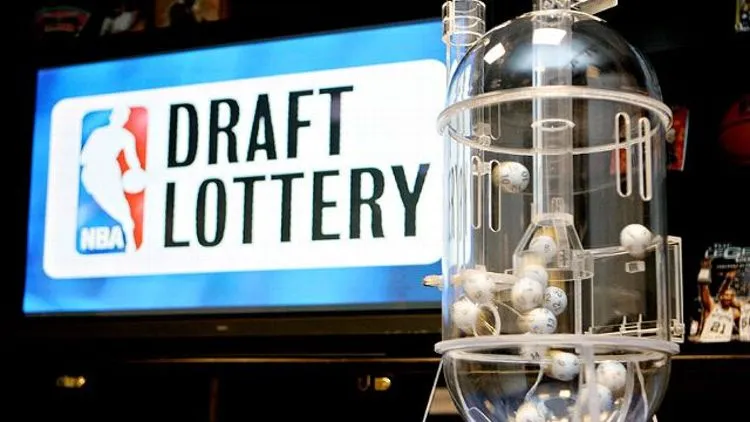
The concept of “tanking”—or strategic rebuilding—is one of the most polarizing topics in sports. While league commissioners like Adam Silver often decry it as a “stain on the product,” for many front offices, it is viewed as a rational, mathematical necessity.
When a team is “stuck in the middle” or at the absolute bottom, this is the case for why bottoming out is often seen as the only viable escape hatch.
1. The “Superstar Requirement”
In leagues like the NBA and NFL, championship windows are almost exclusively opened by “Tier 1” talents—players who rank among the top five to ten in the world.
- The NBA Reality: History shows that dynasties are built through the draft. From the 1980s Lakers and Celtics to the modern-day OKC Thunder and San Antonio Spurs, the most sustainable way to acquire a “generational” talent is via a top-3 pick.
- The 2026 Example: The Detroit Pistons are currently the “poster child” for successful tanking. After a dismal 14–68 season in 2024, they secured Cade Cunningham, who has transformed them into the No. 1 seed in the East this year. Without that “rock bottom” season, Detroit likely remains a perennial 10th seed.
2. Escaping the “Treadmill of Mediocrity”
The most dangerous place for a sports franchise isn’t the bottom; it’s the middle.
- The Cycle: Teams that win 35–40 games in the NBA or 7–9 games in the NFL are often too good to get a high draft pick but too bad to compete for a title.
- The Solution: By “resetting” (trading veterans for draft capital and letting young players play), a team intentionally breaks the cycle. This allows them to accumulate multiple high-value assets simultaneously, creating a “talent surge” rather than a slow drip of average players.
3. Draft Equity as a “Currency”
Tanking isn’t just about the No. 1 pick; it’s about Draft Capital.
- Trade Value: High draft picks are the most liquid currency in sports. Even if a team doesn’t love the players available, a top-5 pick can be traded for an established superstar who wants out of their current situation (e.g., the Cleveland Cavaliers using assets to acquire James Harden).
- Cost Control: Rookie contracts are significantly cheaper than veteran deals. A team of “tank-acquired” stars allows a franchise to stay under the luxury tax or salary cap while still fielding an elite roster.
The “Loaded” 2026 Classes
The reason tanking is currently a “crisis” in 2026 is due to the sheer quality of the upcoming draft classes. Front offices are acting logically because the “prize” for losing is historically high:
| League | The “Prize” | Why Teams are Tanking |
| NFL | Fernando Mendoza | A Heisman winner and “elite processor” seen as a plug-and-play franchise QB. |
| NBA | AJ Dybantsa / Darryn Peterson | Both are being called “generational” scoring prospects that can change a franchise’s 10-year outlook. |
| MLB | High-Slot Bonus Money | In the MLB, losing gives you more money to sign elite international and high school talent. |
The Counter-Argument: “Losing is a Habit”
The biggest risk of tanking is culture rot. Critics argue that by teaching young players that losing is acceptable, you destroy the competitive DNA of the locker room.
- The “Process” Warning: The Philadelphia 76ers spent years tanking, while they found Joel Embiid, they also struggled for a decade to build a winning culture around him.
- The League’s Response: In 2026, the NBA has implemented “Anti-Tanking” rules, including fining teams like the Utah Jazz ($500,000) for resting healthy stars.
The Bottom Line: Tanking works because the reward (a superstar) is the only thing that consistently wins championships. For the worst team in the league, a 20-win season with a 14% chance at a savior is statistically “better” than a 38-win season with zero chance at one.



Author Profile

Latest entries
 ACCApril 7, 2026North Carolina Taps NBA Champion Michael Malone as Next Head Coach
 MLBApril 6, 2026MLB Weekly Digest: Yankees and Brewers Sprint to Early Leads, Rookies Showing Off
 healthApril 3, 2026Rocks Discount Vitamins – Save on Quality Supplements
 MLBApril 2, 2026Breakout MLB Teams Bettors Should Be Watching in the 2026 Season
About the Author
[…] plan focuses on broadening the lottery pool and making it nearly impossible to “aim” for the number one pick by […]