 0
0
 0
0
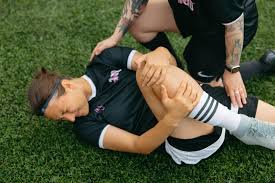
Sports injuries can happen in an instant, whether you are a professional athlete, a weekend competitor, or simply someone enjoying recreational activity. When an injury occurs due to someone else’s negligence—such as unsafe facilities, improper supervision, or defective equipment—the path to compensation can quickly become complex. Insurance companies and courts require more than a simple medical note confirming that you are hurt. They need clear, objective, and well-documented evidence that connects the injury to the incident and outlines its impact on your life. This is where a strong medicolegal report becomes invaluable. Properly prepared by a qualified medical professional, a detailed medicolegal report can significantly strengthen your sports injury claim and improve your chances of a fair outcome.
Establishing a Clear Medical Diagnosis
One of the most important roles of a medicolegal report is to provide a precise and authoritative medical diagnosis. After a sports-related incident, symptoms can range from mild sprains to severe fractures, ligament tears, or long-term joint damage. While initial treatment records are helpful, they may not fully explain the extent of the injury or its long-term implications. A comprehensive medicolegal report goes beyond routine clinical notes. It outlines the diagnosis in detail, references relevant tests such as imaging or physical assessments, and explains how the injury affects normal function. This clarity is essential when negotiating with insurers or presenting evidence in court.
Linking the Injury to the Incident
In any personal injury claim, proving causation is crucial. It is not enough to show that you are injured; you must demonstrate that the injury directly resulted from the specific sports incident in question. A strong medicolegal report carefully examines the timeline of events, your medical history, and the mechanism of injury to establish this link. For example, if you suffered a knee injury during a poorly supervised training session, the report should explain how the movement or impact described is consistent with the diagnosed damage. It should also address whether any pre-existing conditions played a role and clarify if the incident aggravated a previous injury.
Documenting the Impact on Daily Life and Performance
Sports injuries often extend beyond immediate pain. They can affect your ability to work, participate in physical activity, and carry out daily tasks. For competitive athletes, an injury may mean missed competitions, loss of sponsorships, or stalled career progression. For others, it could result in time off work or reduced earning capacity. A detailed medicolegal report outlines these broader consequences. It describes limitations in mobility, ongoing pain, the need for rehabilitation, and potential psychological effects such as anxiety about returning to sport. By documenting how the injury interferes with your normal routine and prospects, the report helps quantify damages.
Providing an Objective and Credible Assessment
Insurance companies often scrutinize injury claims closely. They may question the severity of the injury or suggest that symptoms are exaggerated. An independent medicolegal report prepared by a qualified expert carries significant weight because it offers an objective evaluation. Unlike treating physicians, who focus primarily on patient care, medicolegal experts are trained to provide balanced and impartial opinions for legal purposes. Their reports follow structured formats, reference clinical evidence, and clearly explain conclusions. This level of professionalism enhances credibility and can make a decisive difference in negotiations or court proceedings.
Supporting Long-Term Prognosis and Future Needs
Many sports injuries have lasting consequences. Ligament damage, spinal injuries, or repeated concussions may lead to chronic pain or an increased risk of future complications. A strong medicolegal report does not focus solely on current symptoms; it also addresses prognosis. The expert should outline expected recovery timelines, the likelihood of full rehabilitation, and any potential permanent impairments. They may also recommend future treatments, surgeries, or therapy. This forward-looking assessment is essential when calculating compensation that covers not just immediate medical bills but also long-term care and future losses. Without this information, a settlement may fall short of addressing ongoing needs, leaving you financially vulnerable down the line.
A sports injury claim involves far more than submitting medical bills and describing what happened. Success depends on clear, credible, and comprehensive evidence that connects the incident to the injury and demonstrates its full impact. Investing in a thorough, professionally prepared medicolegal report can significantly strengthen your sports injury claim and help ensure you receive the compensation you deserve.



Author Profile

Latest entries
 MLBApril 2, 2026Breakout MLB Teams Bettors Should Be Watching in the 2026 Season
 MLBApril 1, 2026MLB Weekly Digest: The Top Storylines from the Diamond
 The HubApril 1, 2026Lymphatic Organic Las Vegas | Detox Massage Therapy Center
 The HubMarch 30, 2026UFC Freedom 250: A High‑Stakes, High‑Visibility Spectacle
About the Author