 0
0
 0
0
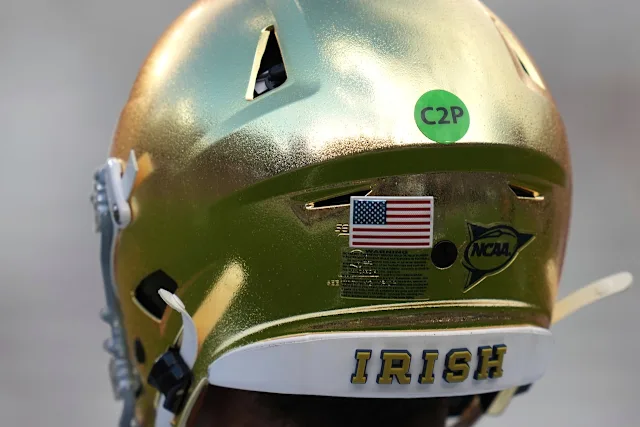
The shock was palpable in South Bend on Selection Sunday. Despite finishing the season 10-2 and closing with a 10-game winning streak, the Notre Dame Fighting Irish were named the “first team out” of the 12-team College Football Playoff (CFP) field. The snub, which allowed three-loss Alabama and two-loss Miami to sneak into the final at-large spots, triggered an immediate and dramatic response from the program: Notre Dame announced it would decline all bowl invitations and end its season immediately.
This unprecedented decision was not merely a reaction to being excluded; it was a furious, public rejection of the entire process, and it has thrown the spotlight back onto Notre Dame’s unique and increasingly precarious position as the last major independent football program. The question now isn’t if independence hurts them, but by exactly how much.
The Independent Penalty
The ultimate undoing of the Irish lay in the final comparison with a team they had beaten for weeks in the rankings: the Miami Hurricanes. Both finished 10-2, but when the Selection Committee reached the two teams side-by-side, the head-to-head result—Miami’s Week 1 victory over the Irish—became the decisive tiebreaker.
Notre Dame, as an independent, sat idle during conference championship weekend, powerless to improve its résumé or benefit from a “conference champion bump.” The Hurricanes, meanwhile, were actively and aggressively promoted by the ACC in the final 48 hours, highlighting that head-to-head win. In the new world of a 12-team playoff, conference affiliation has become a political and logistical lifeline that Notre Dame, by choice, denies itself.
The school is an “incredibly valued member” of the ACC in 24 other sports and has a football scheduling agreement with the league. But when it came down to the final cut, ACC Commissioner Jim Phillips made it clear his responsibility was to advocate for his full football members. Notre Dame Athletic Director Pete Bevacqua publicly accused the ACC of inflicting “permanent damage” on the relationship by actively campaigning against the Irish on the conference’s own network and social media platforms. The irony is bitter: the conference that helps fill Notre Dame’s schedule was actively working against its inclusion in the playoff.
The ACC Membership Debate
The perpetual debate over Notre Dame joining the ACC as a full football member gains new, fierce urgency after this snub.
How Independence Hurts:
The cost of independence is the loss of two essential opportunities to control one’s destiny:
- The Conference Championship Game: A conference title game provides an automatic 13th data point, an opportunity to impress the committee one final time, and a chance to earn a quality win against a highly-ranked opponent. For the Irish, had they been full members and played in the ACC title game, a victory would have instantly vaulted them into an automatic bid, or at least shielded them from being leapfrogged.
- The Conference Safety Net: Full membership ensures the political weight of a Power Four conference behind the program. When it comes to bubble teams, conferences will lobby and pull strings for their own. The Irish were left as an army of one, vulnerable to the politicking of the SEC and the now-galvanized ACC.
How Independence Helps (And Why It Won’t Change):
Despite the sting of the snub, the financial and traditional incentives for remaining independent are enormous and likely insurmountable:
- Financial Control: Notre Dame holds its own lucrative television contract with NBC, worth an estimated $50 million annually. Joining the ACC or Big Ten would mean sacrificing a significant portion of that revenue into the conference pool, a financial loss the university has historically refused to accept.
- Scheduling Autonomy: Independence allows Notre Dame to schedule high-profile, national rivalries (USC, Navy, Stanford) and maintain its unique brand identity. Joining a conference would mean being subject to a rigid, annual league schedule, sacrificing some of its most storied rivalries—the very core of the “Notre Dame mystique.”
Ultimately, the CFP snub was a costly and painful consequence of the choice Notre Dame makes every year. Coach Marcus Freeman and his players proved their team belonged on the field with anyone in the country. But by remaining an independent island, the program will continue to face the reality that when the margin for error is razor thin, the political and structural realities of the college football landscape will always favor those who are fully entrenched in a conference. Notre Dame’s refusal to play in a bowl game was their final, defiant declaration that for them, it is now championship or nothing. The question is, how many more times will that stubborn independence cost them?


Author Profile

- CEO NGSC Sports
Latest entries
 NBAApril 11, 2026NBA Swing: Is There Hope for a Future After the Bulls Fire AKME?
 WNBAApril 10, 20262026 WNBA Free Agency: Expansion, Blockbusters, and a New Era
 NBAApril 8, 2026From Podcast to Postseason: The Case for JJ Redick as NBA Coach of the Year
 NBAApril 8, 2026The Father, the Son, and the League: Navigating the Bronny James Era
About the Author