Photo Credit: Daily News
 0
 0
The 2026 college football season has delivered memorable victories, surprising upsets, and unexpected playoff contenders. However, quarterback injuries have created another major storyline. Several programs entered the season with championship expectations. Unfortunately, injuries have forced coaches to change their offensive strategies and quarterback rotations. Teams such as Ohio State, Oregon, UCLA, Pittsburgh, and Mississippi State have experienced significant setbacks. Furthermore, programs like Syracuse, Clemson, and South Florida have faced their own quarterback concerns. According to Sports Illustrated, at least 40 FBS programs started replacement quarterbacks because of injuries during the first eight weeks. That represents nearly 30 percent of the 138 FBS programs. Consequently, quarterback depth has become one of the most important factors in determining postseason success. Some programs have survived these challenges. Others have watched promising seasons unravel after losing their offensive leaders.
Ohio State Buckeyes: Julian Sayin’s Injury Changes Everything
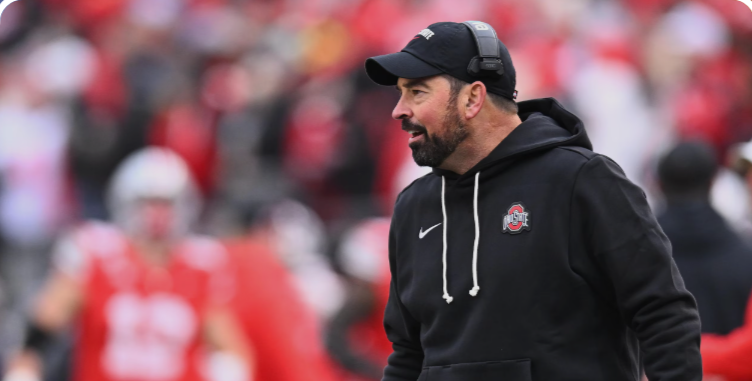
The Ohio State Buckeyes entered 2026 with national championship expectations. Quarterback Julian Sayin played an important role in those ambitions. Sayin developed into one of college football’s most talented young quarterbacks. Furthermore, his connection with wide receiver Jeremiah Smith gave Ohio State a dangerous passing attack. However, everything changed during Ohio State’s victory over Indiana. Sayin suffered a shoulder injury that threatened the remainder of his season. The Buckeyes defeated the defending national champions 19-15, but the victory came at a significant cost.
Ohio State suddenly faced uncertainty surrounding its most important offensive position. Consequently, quarterbacks Luke Fahey and Tavien St. Clair became important options for the coaching staff. Replacing Sayin presents a difficult challenge because of his accuracy and ability to stretch opposing defenses. Furthermore, Ohio State must navigate a demanding Big Ten schedule without guaranteed stability at quarterback. The Buckeyes still possess talented receivers and a strong defense. However, their championship ambitions depend heavily on consistent quarterback production.
Oregon Ducks: Dante Moore’s Absence Hurts the Offense
The Oregon Ducks experienced another devastating quarterback setback. Starting quarterback Dante Moore entered the season among the nation’s leading Heisman Trophy candidates. Moore provided Oregon with explosive passing ability and strong leadership. However, he suffered a concussion during Oregon’s victory over USC in September. The injury eventually ended his 2026 season. Before Moore’s injury, Oregon averaged 50 points across its first four games. However, the Ducks averaged only 14 points during their next three contests. That dramatic decline demonstrated Moore’s importance to the offense. Furthermore, Oregon struggled to establish consistency with Dylan Raiola and Brock Thomas. Raiola provided occasional encouraging moments, including a comeback performance against Nebraska. Nevertheless, Oregon’s offense lacked the same rhythm and explosiveness without Moore. The Ducks must now rely more heavily on their running game and defense. Oregon’s experience demonstrates how quickly a quarterback injury can change a championship contender’s outlook.
UCLA Bruins: Two Quarterback Injuries Threaten a Special Season
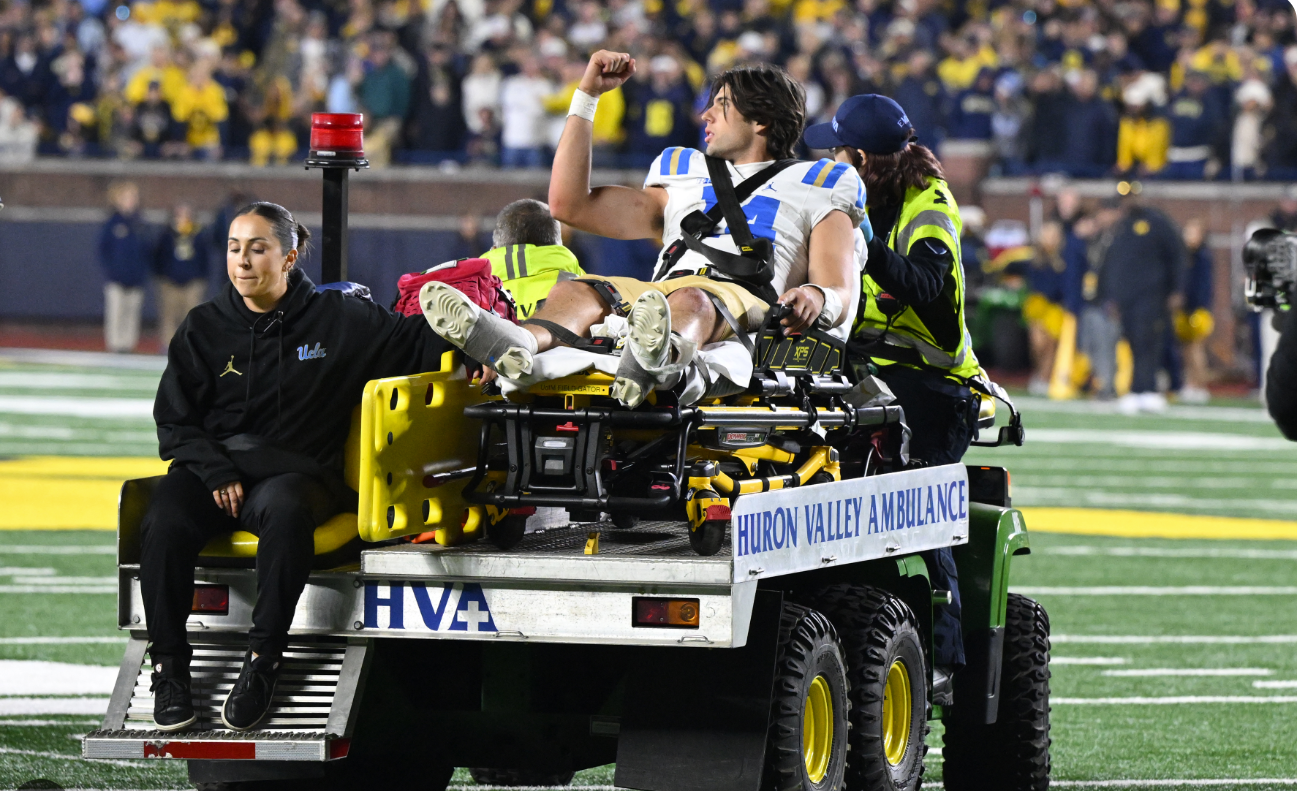
The UCLA Bruins have experienced one of college football’s most complicated quarterback situations. Quarterback Nico Iamaleava opened the season leading UCLA’s offense. However, Iamaleava suffered a torn ACL against Oregon in October. The injury ended his season and forced head coach Bob Chesney to make an immediate adjustment. Ty Dieffenbach stepped into the starting role and helped UCLA remain competitive. Furthermore, the Bruins continued their impressive season despite losing their original starter. However, another devastating injury occurred against Michigan on November 21. Dieffenbach suffered an injury while scrambling toward the sideline.
Medical personnel placed him on a stretcher before removing him from the field. Consequently, Madden Iamaleava entered the game during overtime. Michigan eventually defeated UCLA 18-16 in triple overtime, handing the Bruins their first loss. Dieffenbach’s long-term availability remains uncertain. The Bruins now face the possibility of continuing their postseason pursuit with another replacement quarterback. Losing two quarterbacks creates significant challenges for any program. Nevertheless, UCLA must find ways to maintain its offensive identity despite these setbacks.
Pittsburgh Panthers: Mason Heintschel’s Injury Derails Momentum
The Pittsburgh Panthers appeared ready for a breakthrough season. Quarterback Mason Heintschel helped Pittsburgh begin the year with five consecutive victories. Heintschel demonstrated impressive passing ability and quickly became one of the ACC’s emerging stars. Furthermore, he surpassed 400 passing yards twice during his first four games. However, Pittsburgh suffered a devastating setback against Virginia Tech. Heintschel tore his right ACL, ending his season. The Panthers subsequently struggled to replace his production. Pittsburgh lost its next three games, including a 52-23 defeat against Miami. The offensive struggles highlighted how much Heintschel contributed to the team’s early success. Holden Geriner and Corey Dailey subsequently received opportunities at quarterback. However, Pittsburgh struggled to recreate its earlier offensive chemistry. The Panthers’ situation demonstrates the importance of developing multiple quarterbacks capable of leading an offense. Without Heintschel, Pittsburgh’s once-promising season became significantly more difficult.
Mississippi State Bulldogs: Kamario Taylor’s Injury Ends a Promising Start
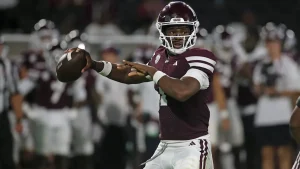
The Mississippi State Bulldogs provide another example of how injuries can derail a season. Quarterback Kamario Taylor helped Mississippi State begin 2026 with four consecutive victories. The Bulldogs averaged 43 points per game during their impressive start. Furthermore, Taylor’s performances generated early Heisman Trophy discussion. However, he suffered a foot injury during Mississippi State’s victory over Missouri. The injury limited his effectiveness against Alabama and forced him to miss the LSU game. Taylor attempted to return against Oklahoma but could not finish the contest. Consequently, Mississippi State lost three consecutive games following his injury.
The Bulldogs averaged only 12.7 points during that stretch. That offensive decline significantly damaged Mississippi State’s postseason outlook. Furthermore, opposing defenses could concentrate more heavily on stopping the running game. Mississippi State’s experience demonstrates how losing a dual-threat quarterback can transform an entire offense. Taylor’s mobility and passing ability gave opposing defenses multiple problems. Without a healthy Taylor, the Bulldogs struggled to generate consistent scoring opportunities.
Syracuse Orange: Injuries Devastate the Quarterback Room
Few programs have experienced more quarterback problems than the Syracuse Orange. Head coach Fran Brown has repeatedly adjusted his offensive plans because of injuries. Steve Angeli began the season as Syracuse’s starting quarterback. However, an Achilles injury against Pittsburgh interrupted his season. Amari Odom subsequently received opportunities before suffering a shoulder injury. Odom underwent surgery in October, ending his 2026 campaign. Meanwhile, Malachi Nelson suffered a high-ankle sprain that required tightrope surgery. Those injuries forced Syracuse to rely on Danny Lauter. Furthermore, Angeli eventually returned and helped Syracuse secure important victories.
However, another setback occurred against Boston College on November 21. Angeli injured his throwing arm during the third quarter and left the game. Nelson replaced him, but Boston College defeated Syracuse 27-15. Consequently, Syracuse faces another difficult quarterback decision entering its final regular-season matchup. The Orange have demonstrated impressive resilience despite their problems. Nevertheless, repeated injuries have prevented the offense from developing consistent chemistry. Syracuse’s situation illustrates why programs must prepare several quarterbacks for meaningful playing time.
Clemson Tigers: Tait Reynolds and Christopher Vizzina Go Down
The Clemson Tigers experienced another significant quarterback setback during November. Freshman quarterback Tait Reynolds suffered a torn meniscus against Georgia Tech on November 14. The injury occurred during Clemson’s opening offensive possession. Reynolds underwent surgery the following day, ending his season. Before the injury, he accumulated 1,449 passing yards and 334 rushing yards. Furthermore, his mobility provided Clemson with another offensive dimension. However, Clemson’s quarterback problems continued during the same game. Backup Christopher Vizzina suffered a concussion after absorbing a hard hit.
Medical personnel evaluated him for potential neck and spinal injuries before releasing him from the hospital. Consequently, Clemson faced uncertainty surrounding both quarterbacks. Trent Pearman became another potential starting option. However, Pearman completed only two of six passes for six yards against Georgia Tech. The Tigers lost that contest 20-6. Clemson must now adjust its offense while preparing for its remaining opponents. Furthermore, losing Reynolds limits the team’s ability to incorporate quarterback-designed running plays. The injuries could also affect Clemson’s bowl preparation and offensive development.
USF Bulls: Michael Van Buren Jr.’s Injury Forces a Change
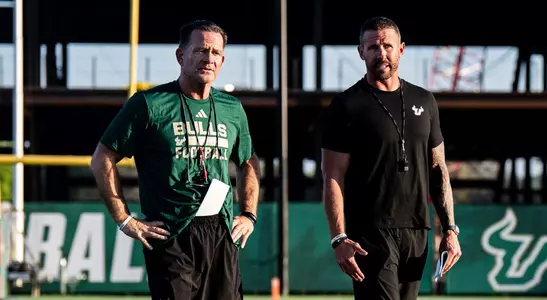
The South Florida Bulls have also experienced quarterback uncertainty during 2026. Michael Van Buren Jr. started USF’s first eight games. However, an injury against UAB on October 31 interrupted his season. Consequently, Luke Kromenhoek stepped into the starting lineup against East Carolina. Kromenhoek delivered an encouraging performance during his first start. He completed 17 of 21 passes for 179 yards and one touchdown. Furthermore, Kromenhoek connected with Bryson Rodgers for a 26-yard touchdown during USF’s opening possession. The Bulls initially appeared comfortable with their new quarterback. However, East Carolina eventually defeated USF 20-17 on a last-second field goal.
The loss significantly damaged South Florida’s American Conference championship hopes. Nevertheless, Kromenhoek demonstrated enough ability to create an interesting quarterback discussion. Head coach Brian Hartline must balance Van Buren’s health with Krommenhoeks’ development. Furthermore, the Bulls must determine which quarterback provides the strongest opportunity for future success. Unlike several other programs, USF found an effective replacement. However, the injury still forced an important adjustment during a critical conference stretch.
Other Programs Facing Quarterback Injuries
Several additional schools have experienced quarterback setbacks. Indiana quarterback Josh Hoover played through injury during important Big Ten contests. Furthermore, his limited effectiveness forced Indiana to reconsider its offensive approach. Washington quarterback Demond Williams Jr. missed time because of a rib injury. Meanwhile, Baylor quarterback DJ Lagway experienced an ankle injury during September. Florida quarterback Aaron Philo also suffered a shoulder injury against South Carolina. Consequently, the Gators needed another quarterback option during their victory over Texas. Central Michigan lost Angel Flores for the season because of a broken ankle.
Additionally, Rutgers quarterback Dylan Lonergan missed time following a head injury. Temple’s Ajani Sheppard suffered an ankle injury against East Carolina. Boise State quarterback Maddux Madsen also experienced knee problems. These examples demonstrate that quarterback injuries affect programs throughout college football. The problem extends beyond traditional national championship contenders. Furthermore, smaller programs often possess fewer experienced replacements. Consequently, injuries can create even greater challenges for teams without established quarterback depth.
Are Longer Seasons Making the Problem Worse?
College football continues expanding its postseason opportunities. However, the physical demands on players remain substantial. The proposed 24-team College Football Playoff could create additional games for championship contenders. Consequently, teams might need to navigate significantly longer seasons. Quarterbacks already face pressure from increasingly aggressive defensive schemes. Furthermore, modern offenses frequently ask quarterbacks to run the football. Those additional rushing attempts can expose quarterbacks to more contact. However, the 2026 injuries alone do not establish that schedule expansion causes more injuries. Coaches must also consider offensive-line protection, player conditioning, and workload management. Developing multiple quarterbacks could become increasingly important. Furthermore, recruiting and transfer portal decisions must account for depth rather than simply acquiring one talented starter. Programs cannot assume their starting quarterback will remain healthy throughout an entire season. The 2026 campaign has repeatedly demonstrated that reality.
Final Thoughts: Quarterback Depth Could Decide the Championship
The 2026 college football season has exposed how vulnerable programs become when their starting quarterbacks suffer injuries. Oregon lost Dante Moore and experienced significant offensive struggles. Pittsburgh watched its undefeated start disappear following Mason Heintschel’s ACL injury. Meanwhile, Mississippi State struggled to maintain its early momentum without a healthy Kamario Taylor. Ohio State faces important questions surrounding Julian Sayin’s availability. Furthermore, UCLA must navigate another quarterback injury after losing Nico Iamaleava earlier in the season. Syracuse and Clemson have experienced multiple setbacks within their quarterback rooms. Meanwhile, USF has demonstrated how an effective backup can keep an offense competitive. The common theme remains clear.
Quarterback depth matters just as much as quarterback talent during a long college football season. Teams must prepare their backups for meaningful action before injuries occur. Furthermore, coaches must adjust offensive strategies to match their available personnel. The upcoming postseason could provide another reminder of that importance. Championship contenders need talented quarterbacks, but they also need healthy and prepared replacements. Ultimately, the 2026 season might become a defining example of how quarterback injuries reshape college football.The teams that overcome those challenges could have the strongest opportunity to compete for a national championship.



Author Profile

-
Bradley Walker (VP) and Head of our Florida operations for NGSC Sports, bringing extensive experience across collegiate, professional, and amateur athletics. His coverage spans USF Athletics, including football, baseball, lacrosse, and softball, as well as University of Tampa baseball.
Bradley also provides coverage of minor league baseball with the Clearwater Threshers and Major League Baseball with the Tampa Bay Rays. On the national stage, he covers college football bowl games and conference championship matchups, along with premier golf events across the PGA Tour, Champions Tour, and LPGA Tour.
In addition to his reporting work, Bradley is the play-by-play announcer for Pinellas Park High School Patriots football, lending his voice and insight to Friday night lights.
He is also an active podcast host and contributor, serving as a host on The Walker Report, where he delivers in-depth sports analysis, interviews, and coverage across multiple levels of competition.
Latest entries
 MLBNovember 24, 2026 at 12:00 amMLB Free Agency Heats Up as Lockout Looms
 GolfNovember 24, 2026 at 12:00 amLIV Golf Bankruptcy Sparks Outrage Over Unpaid Bills
 AAC FootballNovember 24, 2026 at 12:00 amUSF Bulls, Tim Beck Part Ways Amid Offensive Struggles
 FootballNovember 24, 2026 at 12:00 amQB Injuries Rock College Football in 2026
About the Author