(Photo by Ed Mulholland/Getty Images)
 0
0
 0
0
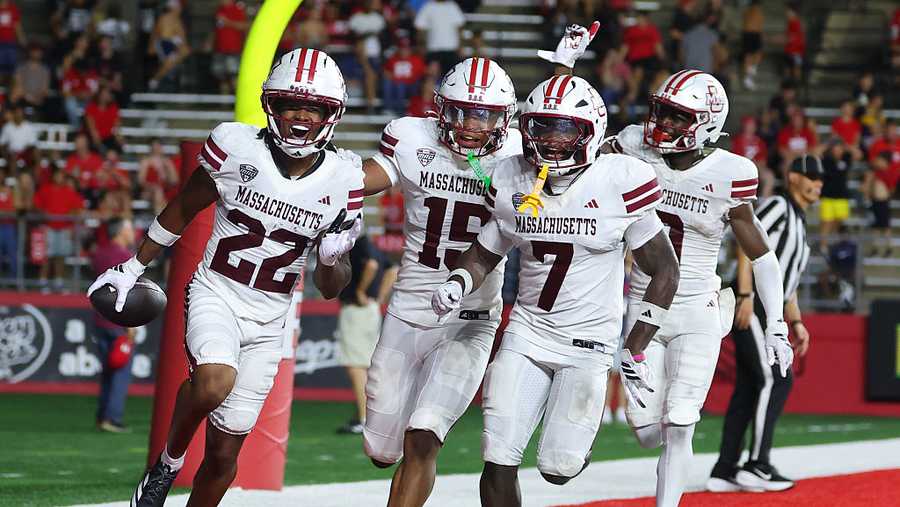
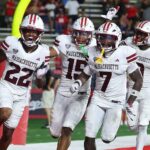
The 37–21 outcome on September 3, 2026, instantly entered the conversation for one of the most baffling, program-altering buy-game disasters in college football history.
Rutgers paid UMass $1.55 million to visit Piscataway as a 29.5-point underdog. The Minutemen entered the matchup on a 16-game losing streak after going 0–12 in 2025, having not beaten an FBS opponent in nearly two calendar years. To write a seven-figure check to a bottom-tier program, surrender 30 unanswered points on your home field, and then launch a pre-planned postgame fireworks display into a virtually empty stadium is an unmatched optical nightmare.
A breakdown of how a collapse of this magnitude took place covers several factors:
1. The Inside-Knowledge Factor
UMass head coach Joe Harasymiak served as Rutgers’ defensive coordinator from 2022 through 2024. He knew Rutgers’ personnel, defensive tendencies, and bench depth inside out. UMass exploited those looks effortlessly, isolating mismatches and keeping Rutgers’ defense completely out of sync for three straight quarters.
2. Total Line-of-Scrimmage and Turnover Failure
Despite a massive talent and resource disparity on paper, Rutgers failed to record a single sack. UMass quarterback William “Pop” Watson III carved up the Scarlet Knights’ secondary, completing 19 of 22 passes for 197 yards and 3 touchdowns. Offensively, Rutgers turned the ball over four times—including three interceptions—and completely abandoned their identity running game after going down early.
3. Tone-Deaf Atmosphere and Historic Spread Bust
To cap off the night, Rutgers went ahead with its scheduled postgame fireworks display—part of one of the largest fireworks budgets in college football—long after the home crowd had walked out. The visual of pyrotechnics exploding over a desolate SHI Stadium while the visiting 30-point underdogs celebrated on the sideline captured the absolute absurdity of the loss.
Head coach Greg Schiano pulled no punches postgame, admitting his team was “outlicked, outplayed, and outcoached.” For a Big Ten program attempting to build stability and respectability, handing an opponent $1.55 million to deliver their first FBS win in years represents a historic setback for the school’s leadership, brand, and conference standing.


Author Profile

- CEO NGSC Sports
Latest entries
 NCAAFSeptember 7, 2026The $1.5 Million Disgrace: Inside Rutgers’ Unfathomable Buy-Game Disaster
 NCAAFSeptember 7, 2026How Michigan Survived, Why Broadcast Clocks Lie, and the Theories
 FCSSeptember 6, 2026FCS Football Week 1: Bobcats Open Title Defense, Shockers, and FCS Over FBS Winners
 WNBASeptember 6, 2026Cathy Engelbert to Retire as WNBA Commissioner Following Transformative, Tumultuous Reign
About the Author