Photo credit: Ben Szemerey
 0
0
 0
0
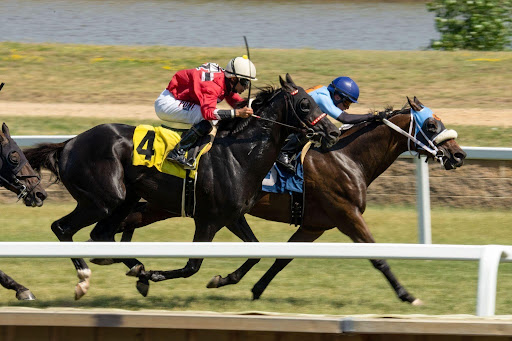
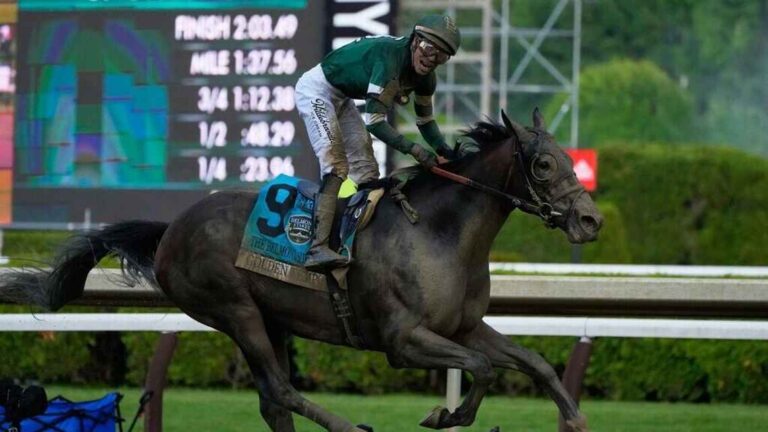
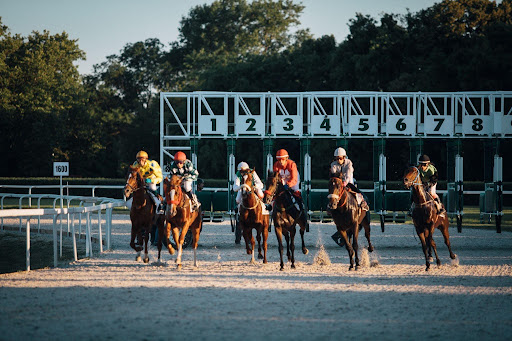
August is one of the busiest months on the American horse racing calendar, with graded stakes drawing accomplished horses from across the country every weekend.
Among the highlights is the Charles Town Classic, returning August 28, 2026, alongside the Charles Town Oaks to headline one of the most significant racing cards in West Virginia. The event continues to carry a $1 million purse and remains an important destination for older dirt horses.
For anyone following August racing, understanding how each event differs matters just as much as reviewing the entries themselves. Race distance, track configuration, field quality, and recent performances all shape the picture before the final program is released.
Understand August’s Major Racing Calendar
August offers a wide variety of graded stakes across the United States, giving racing fans opportunities to follow different divisions as the summer season progresses. Saratoga Race Course continues its prestigious meet in New York, Del Mar hosts important turf and dirt contests in California, and Charles Town presents one of the month’s signature evenings with multiple graded races on the same card. Each venue attracts horses with different racing styles, making every event unique.
Instead of focusing on only one headline race, it helps to understand how the broader calendar fits together. Some horses are preparing for major autumn championships, while others are targeting prestigious regional events that suit their preferred distance or surface. Trainer placement often reflects these long-term plans rather than a single race.
Following official entries, workout reports, and condition books throughout August also provides useful context before final fields are announced. Comparing these updates across multiple race meetings helps explain why certain horses appear in one event instead of another. Viewing the month as a connected series of important races creates a broader understanding of the summer season rather than treating every stakes race as an isolated event.
Learn What Makes the Charles Town Classic Different
The Charles Town Classic has developed into one of the country’s leading races for older dirt horses. The 2026 edition is scheduled for Friday, August 28, with the Charles Town Oaks sharing the same program during a special afternoon and evening card.
The event has consistently generated some of the largest wagering handles in track history while attracting nationally recognized trainers and jockeys.
Before reviewing Charles Town Classic odds, it helps to understand how Charles Town’s six-furlong oval influences race dynamics. The tighter turns reward horses that can secure favorable early positioning while maintaining momentum throughout the race. Familiarity with this layout often becomes an important consideration when evaluating previous performances at larger tracks.
Important factors to review include:
- Previous performances at Charles Town or similar tracks,
- Recent speed figures across comparable competition,
- Running style relative to the projected pace,
- Trainer success with older dirt horses,
- Current workout patterns leading into race week.
Considering these factors together provides a more balanced evaluation than relying on a single recent performance or headline result. This broader perspective also makes it easier to understand why horses enter the race with different expectations based on their recent campaigns, running styles, and previous competition. This encourages readers to compare multiple indicators before forming conclusions.
The Charles Town Oaks Rounds Out the Card
The Charles Town Oaks shares the spotlight on the same August 28 program, giving the evening a second signature race worth following. The Grade 2 event carries a $750,000 purse and is restricted to three-year-old fillies racing over seven furlongs on dirt.
Because the Oaks runs earlier on the same card as the Classic, many trainers and jockeys appear in both races, which adds another layer worth tracking throughout the night. A filly’s performance in the Oaks can also carry meaning beyond August, since strong showings at this level often factor into how connections plan a horse’s path toward the fall season.
Following both races together, rather than focusing only on the Classic, gives a fuller picture of what makes Charles Town’s biggest night of the year stand out on the summer calendar.
Compare Different Types of August Stakes
Looking beyond the race name helps explain why horses often compete in one event instead of another. Trainers carefully select races that fit a horse’s preferred surface, distance, and level of competition as the season progresses.
Distance Matters
Race distance influences pace, positioning, and the type of horse likely to perform well. Horses that excel over one mile do not always produce the same results at one and one-eighth miles or longer. Reviewing previous performances at comparable distances helps create meaningful comparisons before entries are finalized.
Surface and Track Style
Although many August highlights are contested on dirt, turf races remain an important part of the summer calendar. In addition, every track has unique characteristics that affect how races unfold.
Charles Town’s compact oval differs considerably from larger venues such as Saratoga or Del Mar, making previous experience at similar tracks a valuable reference. Considering distance, surface, and track layout together creates a more complete evaluation than focusing on one characteristic alone.
Follow Information Before Entries Become Final
Official entries provide only part of the story. During the weeks leading up to major August races, trainers continue preparing horses through timed workouts, while racing offices release condition books and preliminary schedules. Monitoring these updates helps explain why expectations can change before the final field is confirmed.
Useful information to monitor includes:
- Official workout reports,
- Entry announcements,
- Post position draws,
- Jockey assignments,
- Trainer comments released through racing media.
These updates become more meaningful when viewed together rather than individually. A workout alone rarely provides the complete picture, but combining preparation patterns with confirmed entries and rider selections creates a broader understanding of how each race is developing. Following reliable industry sources throughout August also helps readers stay informed as important racing weekends approach.
Enjoy the Full August Racing Season
The Charles Town Classic remains one of August’s signature events, but it represents only one part of a packed summer schedule. Saratoga, Del Mar, and other major tracks continue presenting graded stakes that showcase accomplished horses across different divisions.
Following these races together provides valuable insight into how the season develops while highlighting the variety that makes American horse racing engaging throughout August. Understanding race conditions, track layouts, trainer decisions, and official updates encourages a more informed view of every event on the calendar.
Rather than concentrating on a single headline, following the broader racing schedule creates a richer appreciation for the sport and the preparation behind each major stakes race. As the month progresses, every meeting adds another chapter to one of the busiest and most anticipated periods of the American racing season.


Author Profile

Latest entries
 HomeOctober 3, 2026Rodents in Your Walls? Here’s How to Take Back Your Home
 HockeyOctober 1, 2026From the Rink to the Sunbelt: Why Youth Hockey Is Gaining Momentum Across America
 FitnessSeptember 30, 2026How Protein Supports Different Types of Fitness Goals
 The HubSeptember 30, 2026How to Add Halloween Patches to Your Costume the Right Way
About the Author