 0
0
 0
0
Packing everyday clothing and household supplies is usually straightforward, but larger or delicate belongings require more thought. Furniture can be scratched during handling, electronics contain sensitive components, and fragile pieces may shift inside poorly packed boxes. Preparing these items correctly before moving day can make loading, transportation, and unpacking much easier.
Working with a moving company in Houston does not remove the need for homeowners to organize valuable possessions beforehand. Knowing which items require special handling, separating personal valuables, and using suitable packing materials can prevent confusion once loading begins. Preparation also gives movers clearer information about belongings that deserve additional attention.
Tera Moving Services understands that careful packing begins with evaluating each item rather than treating every possession the same way. A wooden dining table has different needs from a television, mirror, or collection of glassware. Matching the packing method to the item creates a more orderly relocation from the start.
Sort Belongings by Weight, Size, and Fragility
Before filling boxes, separate household items into practical groups. Heavy objects, breakable pieces, electronics, soft furnishings, and unusually shaped belongings should not automatically share the same packing method. Sorting first helps homeowners choose suitable containers and protective materials.
Weight deserves particular attention because an overloaded box can become difficult to carry. Books and other dense belongings generally work better in smaller containers, while lightweight linens can fill larger boxes without creating excessive weight. Fragile pieces need enough space for protective material without being packed loosely.
Homeowners should also identify possessions they intend to transport personally. Important documents, jewelry, medications, keys, and other personal necessities should remain separate from general household packing. Creating this group early prevents important belongings from disappearing among dozens of similar boxes.
Prepare Large Furniture Before Moving Day Arrives
Furniture often requires more planning because size can affect how easily it passes through doors, hallways, and stairs. Measure particularly large pieces and compare those dimensions with narrow access points. Finding a difficult fit before moving day provides time to consider the best approach.
Remove loose shelves, cushions, drawers, or detachable components where appropriate. Small hardware from disassembled pieces should be kept together in clearly labeled bags or containers. Avoid placing screws and fittings loosely inside random boxes because they can be difficult to locate during reassembly.
Tera Moving Services can work more efficiently when large belongings are ready for handling and access routes are clear. Homeowners should remove decorative objects from furniture and empty pieces that need to be moved. Preparing these details beforehand reduces interruptions once loading begins.
Protect Finished Surfaces From Unnecessary Contact
Wood, painted surfaces, glass, and other finishes can be vulnerable to scratches or marks during movement. Appropriate coverings can provide separation between furniture and surrounding objects. Corners and projecting sections may deserve particular attention because they can contact walls or nearby belongings.
Avoid applying unsuitable adhesive directly to delicate finishes. Some surfaces may react poorly to certain materials or pressure. If homeowners are unsure about a valuable or unusual piece, they should discuss its handling requirements before moving day.
Pack Electronics With Organization in Mind
Electronics can create frustration after a move if cables, accessories, and components become separated. Before disconnecting a complicated setup, take simple reference photos of cable connections. These images can make reassembly easier at the destination.
Label cords according to the device they belong to and keep related accessories together. Remote controls, power adapters, mounting hardware, and specialized cables can be placed in labeled bags or containers. Avoid creating one large box of unidentified cords that must be sorted later.
If original packaging is available and remains suitable, it may provide a useful packing option for some devices. Otherwise, use appropriately sized sturdy boxes and sufficient protective material. The goal is to limit unnecessary movement inside the container while avoiding excessive pressure on delicate components.
Give Screens and Displays Extra Attention
Televisions and computer monitors require different preparation from ordinary household objects. Their large surfaces can be vulnerable to pressure and impact, while their shapes can make handling awkward. Homeowners should avoid packing hard accessories directly against a screen.
Remove detachable stands or components when appropriate and keep the related hardware clearly identified. Protecting these small pieces is important because losing a specialized screw or bracket can complicate setup in the new home. Keep instructions or reference photos available if reassembly is not obvious.
A professional moving company should be informed about large displays and other sensitive electronics before loading begins. Identifying them allows the crew to understand which belongings require particular care. Homeowners should avoid leaving such items hidden among ordinary boxes without clear labels.
Build Strong Boxes for Fragile Household Items
Glassware, dishes, decorative objects, and other breakable belongings need sturdy containers. Check each box before packing and avoid using containers with weak bottoms, moisture damage, or heavily worn corners. A box should remain stable when lifted and carried.
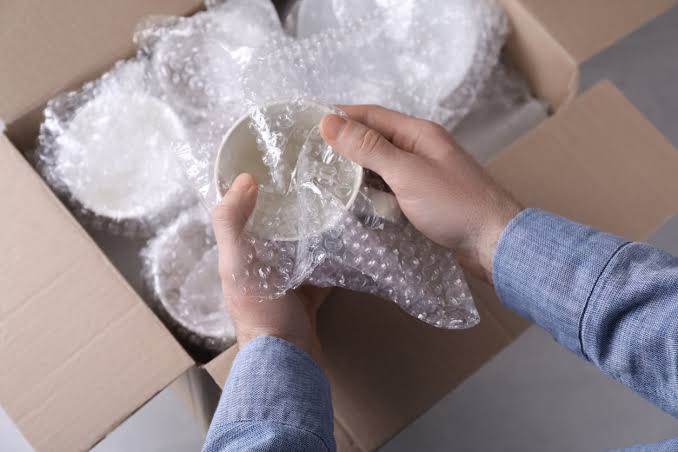
Place protective material around individual fragile pieces rather than relying only on padding around the outside of the group. Empty spaces inside the container should also be addressed so contents do not shift freely during movement. The box should close normally without requiring force against the items inside.
Clear labeling is equally useful. Mark fragile containers in a visible and consistent way, and include the destination room. This helps reduce confusion during unloading while allowing boxes to be placed where homeowners expect to find them.
Handle Mirrors and Artwork as Separate Categories
Mirrors, framed photographs, and artwork often have broad surfaces that make ordinary box packing unsuitable. Their frames, glass, corners, and decorative finishes may each require protection. Treating these pieces as a separate packing category encourages more deliberate preparation.
Homeowners should inspect frames before packing. Loose backing, unstable hanging hardware, or existing damage can become more troublesome during handling. Addressing obvious issues beforehand prevents them from being mistaken for moving-related problems later.
Very valuable, unusual, or delicate artwork may require specialized consideration beyond ordinary household packing. Discuss such pieces before the move rather than assuming they can be handled like standard wall decorations. Early communication provides time to determine appropriate arrangements.
Label Boxes for Handling and Destination
Labels should provide useful information without becoming complicated. At minimum, identify the destination room and note containers requiring careful handling. Consistent labeling allows movers to understand where boxes belong without repeatedly asking the homeowner for directions.
Consider labeling more than one side of each container. A label placed only on top may disappear from view once boxes are stacked. Visible side labels can remain readable during loading and unloading.
Tera Moving Services benefits from clear household organization because destination information supports more orderly unloading. Homeowners benefit as well because boxes can reach the rooms where they will eventually be opened. Good labels save time long after transportation is finished.
Keep an Inventory of Important Packed Belongings
A detailed list is not necessary for every towel, plate, or book, but important belongings deserve better tracking. Homeowners can create a simple record of valuable electronics, fragile collections, artwork, and other significant possessions before packing. Photos may also help document their condition.
Numbering selected boxes can make the inventory easier to follow. Instead of relying on descriptions such as “living room box,” homeowners can connect a number with a short list of contents. This method is particularly useful when many similar containers are involved.
Keep the inventory accessible rather than packing it inside one of the listed boxes. A phone copy or separate document can provide a convenient reference during arrival. Organized records make it easier to confirm where important items were placed.
Careful Preparation Supports a More Orderly Move
Protecting household belongings starts well before anything is carried through the front door. Sorting possessions, preparing furniture, organizing electronics, strengthening fragile-item boxes, and labeling containers all reduce uncertainty. These steps also make unpacking easier after reaching the new property.
A Moving company can handle transportation more effectively when homeowners communicate special concerns and prepare belongings appropriately. Large furniture, sensitive electronics, mirrors, and fragile possessions should be identified rather than mixed into the move without explanation. Clear information supports better organization throughout the day.
Good packing is not about wrapping every possession with excessive material. It involves recognizing the specific risks associated with different items and preparing accordingly. A thoughtful approach helps household belongings move from one home to another with fewer avoidable complications.



Author Profile

Latest entries
 The HubOctober 10, 2026How Digital Marketing and Smart Budgeting Are Transforming the Sports Industry
 Online BettingOctober 9, 2026Lambabet and the Main Bonuses for New Players
 Online BettingOctober 9, 2026Dodgers vs Brewers Props Guide: Home Run Threats, Power Bats and Key Factors
 MMAOctober 7, 2026Petr Yan vs. Merab Dvalishvili III: A Trilogy Built on Chaos, Cardio, and Championship Stakes
About the Author