Photo Credit: Reddit
 0
0
 0
0
The NFL has changed dramatically since the turn of the century. However, every franchise still has players who defined different eras. Some legends dominated before 2000. Others became the face of their franchises afterward. Comparing those players creates some fascinating debates. For this list, the pre-2000 player represents the franchise’s best legacy from earlier eras. The post-2000 player represents the franchise’s best player from the modern era. These selections consider production, awards, championships, longevity and overall franchise impact.
Arizona Cardinals
Before 2000: Larry Wilson
Larry Wilson remains one of the greatest defensive backs in NFL history. He spent his entire career with the Cardinals. Wilson earned eight Pro Bowl selections during his career. He also made five first-team All-Pro teams.
After 2000: Larry Fitzgerald
Fitzgerald became the greatest modern Cardinals player. He spent all 17 seasons of his career with Arizona. He finished with 1,432 receptions, 17,492 receiving yards and 121 touchdowns. All three remain franchise records. Fitzgerald also reached 11 Pro Bowls. He entered the Pro Football Hall of Fame in 2026.
Atlanta Falcons
Before 2000: Deion Sanders
Deion Sanders became a superstar during his Atlanta years. He combined elite coverage skills with explosive playmaking. Sanders made three Pro Bowls with Atlanta. He also earned first-team All-Pro honors twice.
After 2000: Matt Ryan
Matt Ryan became the face of Atlanta’s modern era. He won the 2016 NFL MVP award. Ryan also led Atlanta to Super Bowl LI. He finished his Falcons career with more than 59,000 passing yards.
Baltimore Ravens
Before 2000: Jonathan Ogden
Jonathan Ogden immediately became one of football’s best offensive tackles. The Ravens selected him fourth overall in 1996. He earned four Pro Bowl selections before 2000. His career later produced 11 Pro Bowls and a Hall of Fame induction.
After 2000: Ray Lewis
Ray Lewis technically began his career before 2000. However, his greatest impact came afterward. Lewis won Super Bowl MVP during Baltimore’s 2000 championship season. He also won Defensive Player of the Year twice. His leadership helped define the Ravens’ identity for more than a decade.
Buffalo Bills
Before 2000: Jim Kelly
Jim Kelly became the face of Buffalo’s greatest early era. He led the Bills to four consecutive Super Bowls. Kelly earned five Pro Bowl selections. He also finished his career with 35,467 passing yards.
After 2000: Josh Allen
Josh Allen has become Buffalo’s modern franchise quarterback. He developed into one of the league’s most dangerous dual-threat players. Allen has combined strong passing numbers with elite rushing ability. He also led Buffalo to its first Super Bowl appearance of the modern era.
Carolina Panthers
Before 2000: Sam Mills
Sam Mills became a foundational figure for the expansion Panthers. He joined Carolina in 1995. Mills earned Pro Bowl honors with Carolina. He also helped establish the team’s defensive identity.
After 2000: Steve Smith Sr.
Steve Smith became Carolina’s defining offensive star. His competitiveness matched his production. Smith finished his Panthers career with 12,197 receiving yards. He also recorded 67 receiving touchdowns. He remains one of the franchise’s most recognizable players.
Chicago Bears
Before 2000: Walter Payton
Walter Payton stands above nearly every Bears legend. He spent his entire career in Chicago. Payton won the 1977 NFL MVP award. He also helped the Bears win Super Bowl XX. The Hall of Famer retired as the NFL’s career rushing leader.
After 2000: Brian Urlacher
Brian Urlacher became Chicago’s defensive centerpiece. He earned eight Pro Bowl selections. Urlacher also won Defensive Rookie of the Year. His career ended with a Pro Football Hall of Fame induction.
Cincinnati Bengals
Before 2000: Anthony Muñoz
Anthony Muñoz gives Cincinnati perhaps its strongest pre-2000 case. The left tackle dominated his position for more than a decade. Muñoz earned 11 Pro Bowl selections. He also made nine first-team All-Pro teams. The Hall of Famer helped protect Cincinnati’s quarterbacks during two Super Bowl runs.
After 2000: Chad Johnson
Chad Johnson became Cincinnati’s signature offensive star. He earned six Pro Bowl selections. Johnson produced 10,783 receiving yards during his career. He also scored 67 receiving touchdowns.
Cleveland Browns
Before 2000: Jim Brown
Jim Brown remains the obvious choice for Cleveland. He dominated the league during the 1950s and 1960s. Brown led the NFL in rushing eight times. He also won three MVP awards. He retired as the league’s career rushing leader.
After 2000: Joe Thomas
Joe Thomas became the standard for modern Browns offensive linemen. He started 167 consecutive games. Thomas earned 10 straight Pro Bowl selections. He also made six first-team All-Pro teams.
Dallas Cowboys
Before 2000: Roger Staubach
Roger Staubach became the centerpiece of Dallas’ 1970s dynasty. He won two Super Bowls with the Cowboys. Staubach also earned six Pro Bowl selections. His leadership made him one of the franchise’s defining quarterbacks.
After 2000: Jason Witten
Jason Witten became Dallas’ most consistent offensive player of the 2000s. He spent 16 seasons with the franchise. Witten made 11 Pro Bowls. He also finished his career with 13,046 receiving yards.
Denver Broncos
Before 2000: John Elway
John Elway became synonymous with Broncos football. He led Denver to five Super Bowl appearances. Elway won consecutive Super Bowls before retiring. He also earned the 1987 NFL MVP award.
After 2000: Champ Bailey
Champ Bailey became one of Denver’s greatest defensive backs. He earned eight Pro Bowl selections with the Broncos. Bailey also made three first-team All-Pro teams. His coverage ability made him one of the era’s elite cornerbacks.
Detroit Lions
Before 2000: Barry Sanders
Barry Sanders remains the gold standard in Detroit. His combination of vision and balance made him nearly impossible to tackle. Sanders won the 1997 NFL MVP award. He also rushed for 15,269 career yards.
After 2000: Calvin Johnson
Calvin Johnson became Detroit’s modern superstar. The receiver earned six Pro Bowl selections. Johnson also made three first-team All-Pro teams. His 2012 season produced an NFL-record 1,964 receiving yards.
Green Bay Packers
Before 2000: Bart Starr
Bart Starr defined Green Bay’s first great championship era. He won five NFL championships. Starr also won the first two Super Bowl MVP awards. His postseason success remains central to Packers history.
After 2000: Brett Favre
Brett Favre began his career before 2000. However, his greatest Green Bay accomplishments came during the 1990s. For the post-2000 category, Aaron Rodgers gets the nod. Rodgers won four MVP awards with Green Bay. He also led the Packers to a Super Bowl XLV championship.
Houston Texans
Before 2000: No pre-2000 franchise player
The Texans began play in 2002. Therefore, they have no legitimate pre-2000 franchise player.
After 2000: J.J. Watt
J.J. Watt became the greatest player in franchise history. He dominated defensive lines throughout the 2010s. Watt won three Defensive Player of the Year awards. He also earned five first-team All-Pro selections.
Indianapolis Colts
Before 2000: Johnny Unitas
Johnny Unitas became one of football’s greatest quarterbacks. He spent most of his career with the Baltimore Colts. Unitas won three MVP awards. He also led Baltimore to victory in Super Bowl V.
After 2000: Peyton Manning
Peyton Manning became Indianapolis’ defining modern player. He won four MVP awards with the Colts. Manning also led Indianapolis to a Super Bowl XLI victory. He remains one of the greatest quarterbacks ever.
Jacksonville Jaguars
Before 2000: No pre-2000 franchise player
Jacksonville began play in 1995. Therefore, its early history only covers a few seasons before 2000.
After 2000: Maurice Jones-Drew
Maurice Jones-Drew became one of Jacksonville’s most productive players. He earned three Pro Bowl selections. Jones-Drew led the NFL in rushing during the 2011 season. He finished his career with 8,071 rushing yards.
Kansas City Chiefs
Before 2000: Derrick Thomas
Derrick Thomas became Kansas City’s defensive superstar. He earned nine Pro Bowl selections. Thomas also recorded 126.5 career sacks. His pass-rushing dominance made him one of the era’s best linebackers.
After 2000: Patrick Mahomes
Patrick Mahomes has already built a historic résumé. He has won multiple MVP awards and Super Bowls. Mahomes also became the face of Kansas City’s modern dynasty. His postseason production has changed the franchise’s trajectory.
Las Vegas Raiders
Before 2000: Marcus Allen
Marcus Allen became one of Oakland’s greatest offensive stars. He won Super Bowl XVIII MVP. Allen also earned six Pro Bowl selections. His combination of rushing and receiving made him extremely versatile.
After 2000: Charles Woodson
Charles Woodson returned to Oakland after the turn of the century. He remained an elite defensive playmaker. Woodson earned four Pro Bowl selections with Oakland. He also won Defensive Player of the Year earlier in his career.
Los Angeles Chargers
Before 2000: Dan Fouts
Dan Fouts helped define the Chargers’ Air Coryell offense. He became one of the era’s premier passers. Fouts earned six Pro Bowl selections. He also led the NFL in passing yards four times.
After 2000: LaDainian Tomlinson
LaDainian Tomlinson became San Diego’s offensive centerpiece. He won the 2006 NFL MVP award. Tomlinson also set the single-season touchdown record in 2006. He finished with 13,684 rushing yards.
Los Angeles Rams
Before 2000: Eric Dickerson
Eric Dickerson dominated during his Rams career. He won Offensive Rookie of the Year in 1983. Dickerson also rushed for 2,105 yards that season. That mark still ranks among the greatest rushing seasons ever.
After 2000: Aaron Donald
Aaron Donald became the defining Rams defender of his generation. He won three Defensive Player of the Year awards. Donald also earned eight first-team All-Pro selections. He helped the Rams win Super Bowl LVI.
Miami Dolphins
Before 2000: Dan Marino
Dan Marino became Miami’s greatest quarterback. He broke numerous passing records during his career. Marino led the NFL in passing yards five times. He also reached Super Bowl XIX.
After 2000: Jason Taylor
Jason Taylor became Miami’s defensive leader. He won the 2006 Defensive Player of the Year award. Taylor also earned six Pro Bowl selections. His 139.5 career sacks rank among the franchise’s greatest totals.
Minnesota Vikings
Before 2000: Fran Tarkenton
Fran Tarkenton helped establish Minnesota as a contender. He earned nine Pro Bowl selections. Tarkenton also led the Vikings to three Super Bowl appearances. He retired with more than 47,000 passing yards.
After 2000: Randy Moss
Randy Moss became Minnesota’s most explosive offensive weapon. He made four Pro Bowls during his first Vikings stint. Moss finished his career with 15,292 receiving yards. He also scored 156 receiving touchdowns.
New England Patriots
Before 2000: John Hannah
John Hannah became one of football’s greatest offensive linemen. He earned nine Pro Bowl selections. Hannah also made seven first-team All-Pro teams. He anchored New England’s offensive line for more than a decade.
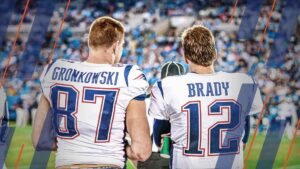
After 2000: Tom Brady
Tom Brady clearly owns the modern Patriots conversation. He won six Super Bowls with New England. Brady also won three MVP awards with the Patriots. His leadership defined the greatest dynasty of the Super Bowl era.
New Orleans Saints
Before 2000: Rickey Jackson
Rickey Jackson became New Orleans’ first true defensive superstar. He spent 13 seasons with the Saints. Jackson earned six Pro Bowl selections. He also became the franchise’s first Hall of Fame player.
After 2000: Drew Brees
Drew Brees transformed New Orleans football. He arrived in 2006 and immediately changed the franchise. Brees won the 2009 Super Bowl with New Orleans. He retired with 80,358 passing yards. He entered the Pro Football Hall of Fame in 2026.
New York Giants
Before 2000: Lawrence Taylor
Lawrence Taylor revolutionized the linebacker position. He terrorized quarterbacks throughout the 1980s. Taylor won three Defensive Player of the Year awards. He also won the 1986 NFL MVP award. He helped the Giants win two Super Bowls.
After 2000: Eli Manning
Eli Manning became the face of the Giants’ modern era. He won two Super Bowl MVP awards. Both victories came against Tom Brady’s Patriots. Manning also ranks among the franchise’s all-time passing leaders.
New York Jets
Before 2000: Joe Namath
Joe Namath remains the defining player in Jets history. He guaranteed victory before Super Bowl III. Namath delivered on that promise against Baltimore. He became the game’s MVP.
After 2000: Darrelle Revis
Darrelle Revis became one of the NFL’s premier shutdown corners. His coverage earned the nickname “Revis Island.” Revis earned seven Pro Bowl selections. He also made four first-team All-Pro teams.
Philadelphia Eagles
Before 2000: Reggie White
Reggie White became Philadelphia’s dominant defensive force. He earned seven Pro Bowl selections with the Eagles. White also recorded 124 sacks during his career. His pass rush made him one of the league’s best defenders.
After 2000: Brian Dawkins
Brian Dawkins became the emotional leader of Philadelphia’s defense. He earned six Pro Bowl selections. Dawkins also made four first-team All-Pro teams. His physical style became part of the Eagles’ identity.
Pittsburgh Steelers
Before 2000: Joe Greene
Joe Greene became the heart of Pittsburgh’s Steel Curtain defense. He won two Defensive Player of the Year awards. Greene helped Pittsburgh win four Super Bowls during the 1970s. He also earned 10 Pro Bowl selections.
After 2000: Ben Roethlisberger
Ben Roethlisberger became Pittsburgh’s defining quarterback of the modern era. He led the Steelers to two Super Bowl victories. Roethlisberger also earned six Pro Bowl selections. He finished with 64,088 passing yards.
San Francisco 49ers
Before 2000: Jerry Rice
Jerry Rice stands above the 49ers’ incredible collection of legends. He dominated the NFL throughout the 1980s and 1990s. Rice won three Super Bowls with San Francisco. He also owns numerous career receiving records. The NFL selected Rice unanimously to its All-Time Team.
After 2000: Steve Young
Young’s greatest seasons came before 2000. Therefore, this category presents a difficult choice. Frank Gore gets the nod because of his extraordinary longevity and production. Gore became San Francisco’s all-time leading rusher.
Seattle Seahawks
Before 2000: Steve Largent
Steve Largent became Seattle’s first offensive superstar. He earned seven Pro Bowl selections. Largent also led the NFL in receiving yards twice. He retired as one of football’s most productive receivers.
After 2000: Russell Wilson
Russell Wilson became Seattle’s franchise quarterback. He led the Seahawks to their first Super Bowl championship. Wilson also earned nine Pro Bowl selections during his career. His mobility and efficiency defined Seattle’s offense.
Tampa Bay Buccaneers
Before 2000: Lee Roy Selmon
Lee Roy Selmon became Tampa Bay’s first superstar. He earned six Pro Bowl selections. Selmon also made four first-team All-Pro teams. He became the franchise’s first Hall of Fame player.
After 2000: Derrick Brooks
Derrick Brooks became the heart of Tampa Bay’s championship defense. He earned 11 Pro Bowl selections. Brooks won Defensive Player of the Year in 2002. He also helped Tampa Bay win Super Bowl XXXVII.
Tennessee Titans
Before 2000: Earl Campbell
Earl Campbell became Houston’s greatest early franchise star. He won three straight rushing titles. Campbell also won the 1979 NFL MVP award. His physical running style defined the Oilers’ offense.
After 2000: Steve McNair
Steve McNair became the face of Tennessee’s modern era. He earned three Pro Bowl selections. McNair also shared the 2003 NFL MVP award. He led the Titans to Super Bowl XXXIV.
Washington Commanders
Before 2000: Darrell Green
Darrell Green became one of Washington’s greatest defensive backs. He spent his entire career with the franchise. Green earned seven Pro Bowl selections. He also won two Super Bowls with Washington.
After 2000: Sean Taylor
Sean Taylor’s career ended far too soon. However, his impact on Washington remained enormous. Taylor earned two Pro Bowl selections. He quickly established himself as one of the NFL’s most dangerous safeties.
The Final Verdict
The NFL’s franchise legends reveal how much the league has changed. Players such as Jim Brown, Walter Payton and Jerry Rice dominated earlier generations. Their careers helped establish the identities of their franchises. Meanwhile, modern stars created their own legacies after 2000. Tom Brady, Peyton Manning, Aaron Donald and Patrick Mahomes changed their teams forever. Some comparisons remain especially difficult. The 49ers, Packers, Steelers and Cowboys have extraordinary historical depth. Still, that’s what makes NFL history so compelling. Every franchise has legends from different generations. The best part comes from debating which era produced the greater player.
I agree with this list I grew up watching many of these players through the years.



Author Profile

-
Bradley Walker (VP) and Head of our Florida operations for NGSC Sports, bringing extensive experience across collegiate, professional, and amateur athletics. His coverage spans USF Athletics, including football, baseball, lacrosse, and softball, as well as University of Tampa baseball.
Bradley also provides coverage of minor league baseball with the Clearwater Threshers and Major League Baseball with the Tampa Bay Rays. On the national stage, he covers college football bowl games and conference championship matchups, along with premier golf events across the PGA Tour, LIV Golf, and LPGA Tour.
In addition to his reporting work, Bradley is the play-by-play announcer for Pinellas Park High School Patriots football, lending his voice and insight to Friday night lights.
He is also an active podcast host and contributor, serving as a host on The Walker Report, where he delivers in-depth sports analysis, interviews, and coverage across multiple levels of competition.
Latest entries
 HockeySeptember 26, 2026NHL Salary Cap Could Soar to $127.5 Million
 FootballSeptember 26, 2026Antonio Brown Set to Take Plea Deal in Attempted Murder Case
 FootballSeptember 26, 2026Travis Kelce Wants NFL to Change Turf Rules
 HockeySeptember 26, 2026Lightning Aim to End First-Round Slump
About the Author