 0
0
 0
0
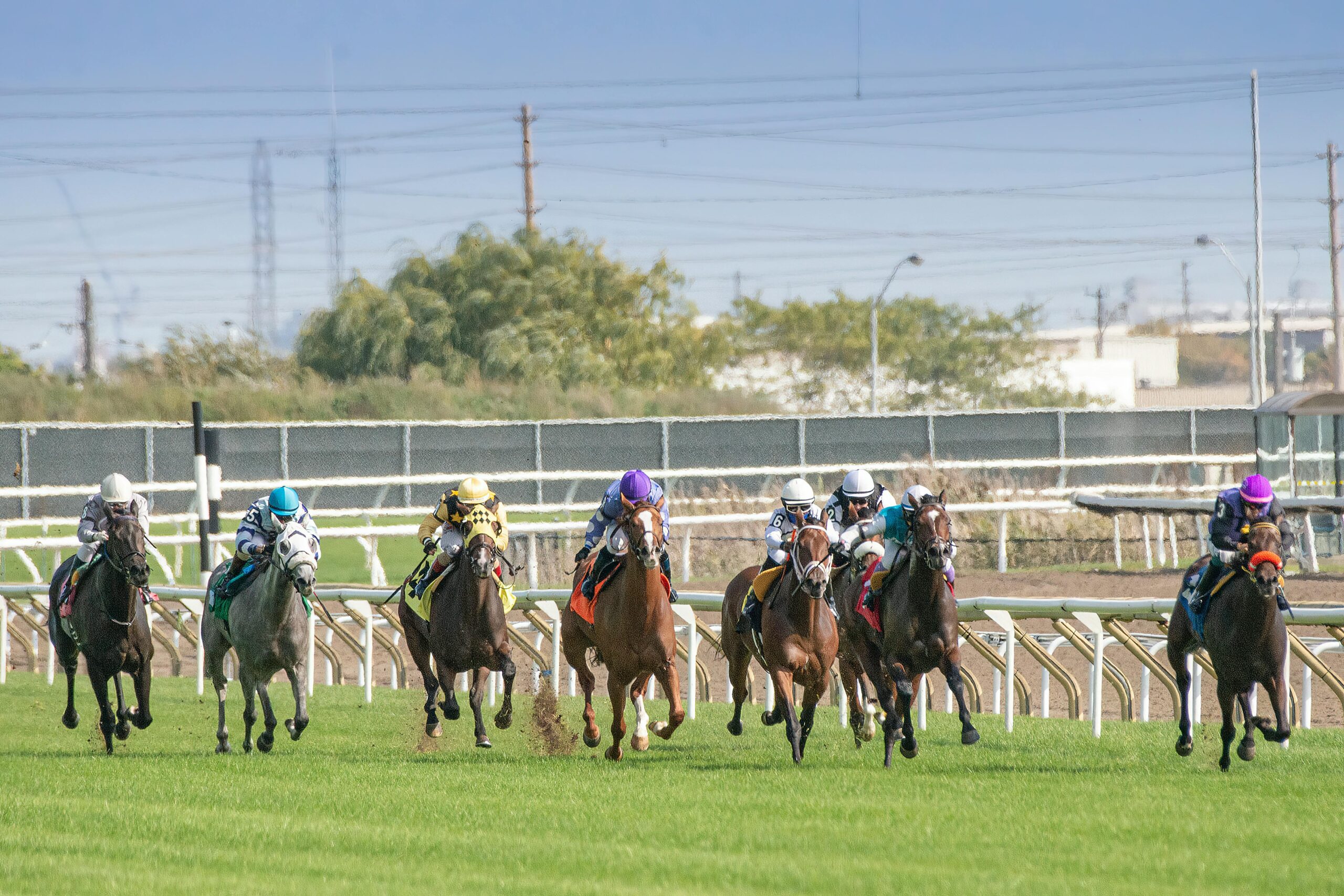
The Jeff Ruby Steaks has become one of the most-watched races on the early spring calendar. Held at Turfway Park, it often brings together promising three-year-olds looking to strengthen their position as the road to the Kentucky Derby takes shape.
For racing fans in the United States, the race offers an appealing mix of developing talent, shifting form, and meaningful pre-race storylines. That makes preparation especially important for anyone planning to follow the betting market closely.
Because this event is run on a synthetic surface and often features horses with different racing backgrounds, a glance at the field is rarely enough. Looking at surface fit, recent form, and likely pace can give fans a much clearer view of what to expect before race day arrives.
Why This Race Draws So Much Attention
The Jeff Ruby Steaks sit in an important spot on the spring racing calendar. It’s run at Turfway Park in Florence, Kentucky, over 1 1/8 miles on a synthetic surface, and it offers Kentucky Derby qualifying points on a 100-50-25-15-10 scale to the top five finishers. That combination gives the race national attention well before Derby week.
That matters because the field often includes rising three-year-olds, changing form lines, and horses trying a different surface at the right time of year. It is not just another prep. It is a race where context matters.
Fans who want to bet it well should think beyond a basic favorite versus longshot view. The strongest approach is to study surface fit, pace shape, trainer intent, and recent progression. Race day decisions often look clearer when those pieces are understood early. That is what makes preparation so valuable before the field is final and the odds begin to move.
Start With the Potential Race Field
A strong betting approach begins with the way this race is built. The Jeff Ruby Steaks brings together three-year-olds at an important point in the spring calendar, and that means the field often includes horses with different form lines, running styles, and levels of experience. That mix makes early analysis especially useful.
Because the race is held at Turfway Park, many fans start by reviewing surface form, local race patterns, and track context relevant to Jeff Ruby Steaks betting. Looking at those elements early helps clarify how the field might take shape and which horses appear well placed for this specific race.
The next step is to picture how the race could unfold. Identify horses that naturally press the pace, runners likely to settle behind the leaders, and those who prefer to close from farther back.
When several entrants share similar running styles, the race dynamic can change quickly. Bettors who recognize those patterns before race day often approach the field with a clearer perspective.
Why the Surface Matters
Turfway Park uses a synthetic main track, and that is one of the most important details in this race. The Jeff Ruby Steaks is one of the key Derby preps run on that kind of surface, which means bettors should avoid treating it like a standard dirt prep.
Some horses move up immediately on synthetic because they settle better, keep their stride more smoothly, or finish with more consistency. Others look strong on paper but don’t produce the same response once the footing changes. That gap is where many betting decisions are made.
The best clues usually come from prior synthetic form, turf form, and running style. Horses with a patient rhythm and a sustained finish often look comfortable here. So do runners from barns that place horses carefully at Turfway and understand how to prepare for this setup.
This is also a race where a single strong effort at the venue can matter more than a flashier record elsewhere. Familiarity with the track can be a real advantage when the pace tightens.
Read the Prep Trail Carefully
Recent prep races can tell a better story than a simple finishing position. Before race day, look at who each horse faced, how the trip unfolded, and whether the runner was asked for full effort. A horse that finished third after a wide trip may be more interesting than one that won with a perfect setup.
This race often attracts horses coming through regional preps, surface changes, or distance experiments. That means form lines do not always match neatly. Instead of asking who has the best resume, ask who has the most suitable path into this specific race.
Trainer patterns matter here as well. Some barns use earlier races to educate a young horse, then expect a better performance once the distance and timing align. Others are simply trying to collect experience before another target later in the spring.
Workout patterns can add a final layer. A steady series with purpose often signals readiness. Sudden changes in spacing or intensity can also be worth noting. Small details before race day can sharpen a betting opinion without overcomplicating the process.
What Matters Most Before Post Time
The Jeff Ruby Steaks rewards bettors who pay attention to the details that shape this particular race. Surface, pace, progression, and intent all matter more here than broad reputation alone. When those pieces are studied together, the field becomes easier to read.
That is the real edge before race day. Not louder opinions. Not more noise. Just a clearer understanding of what this event asks from each horse and how that can shape the betting market.
For fans in the United States who want a more informed approach, the goal is simple. Treat the race as a unique Derby prep with its own demands. Build your view early, refine it when the final picture is set, and let the race structure guide your thinking.
When preparation is specific and disciplined, the Jeff Ruby Steaks becomes a far more interesting race to follow.



Author Profile

Latest entries
 The HubMarch 30, 2026UFC Freedom 250: A High‑Stakes, High‑Visibility Spectacle
 The HubMarch 29, 2026Power, Grace, and Redemption: Joe Pyfer has Historic Night at UFC Seattle
 College HockeyMarch 29, 2026Frozen Four Bound: Wisconsin’s Three-Goal Surge Topples Top-Seed Spartans
 MLBMarch 27, 2026The Kids Are Alright: Four Rookies Make History with Opening Day Homers
About the Author