 0
0
 0
0
There are numerous advantages to sports and physical exercise, ranging from enhanced mental and physical health to enhanced self-discipline and collaboration abilities. However, playing sports also entails a certain risk of injury, regardless of age or experience level. From minor strains that heal quickly to more serious injuries that require long-term treatment and recovery, sports injuries can take many forms. Athletes, coaches, and recreational sports aficionados all need to understand the most prevalent kinds of sports injuries, how they happen, and how to treat them. Many injuries are manageable with the right information, preventative techniques, and prompt medical attention, enabling athletes to resume their sports with safety and assurance.
Ligament Sprains and Muscle Strains
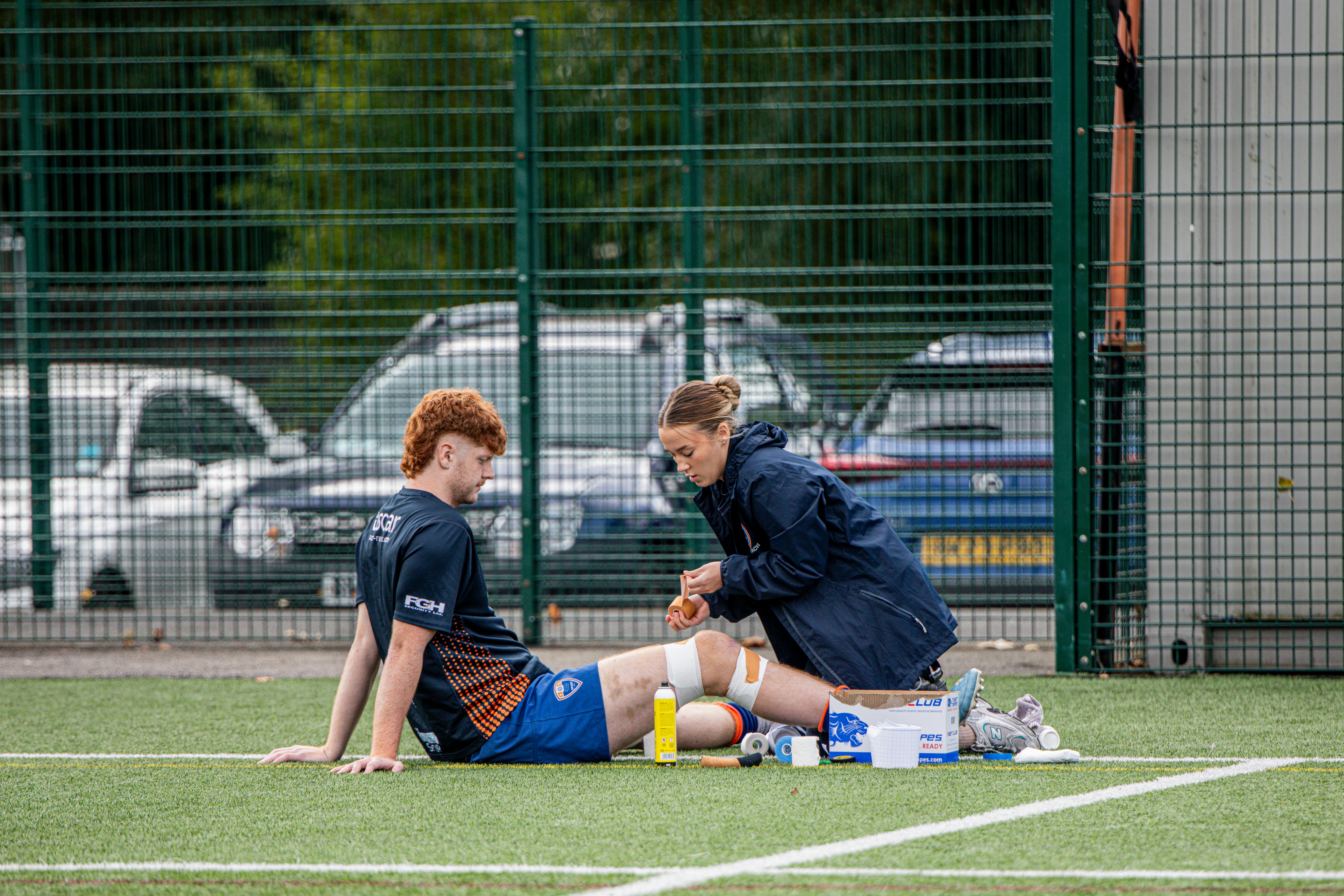
One of the most common sports-related injuries is a strained muscle or a sprained ligament. A sprain is caused by injury to the ligaments that hold bones together at a joint, whereas a strain is caused by overstretching or tearing of muscle fibers. These injuries, which are frequently brought on by abrupt movements, poor warm-ups, or overuse, typically affect the lower back, hamstrings, ankles, and knees. The RICE approach, which stands for rest, ice, compression, and elevation, is typically used to start treatment. Physical therapy could be required in more extreme situations to regain range of motion, strength, and flexibility.
Dislocations and Joint Injuries
Contact sports and activities requiring quick direction changes are especially prone to joint injuries, such as dislocations and cartilage loss. When a bone in a joint is moved out of its natural position, it is called a dislocation, and it usually affects the knees, fingers, or shoulders. In order to properly realign the joint, these injuries frequently necessitate prompt medical attention and can be exceedingly painful. In order to stabilize the joint and stop further dislocations, rehabilitation is essential to the healing process. Important rehabilitation and preventative techniques include wearing protective gear, enhancing joint stability with targeted workouts, and avoiding excessive strain.
Trauma to the Teeth and Head Injuries
One of the most dangerous kinds of sports injuries is a head injury, which is why it should never be ignored. They are frequently brought on by collisions, falls, or being hit by sporting goods, and they range in severity from minor concussions to more serious traumatic brain injuries. To avoid long-term consequences, a medical professional’s evaluation must be completed right away. Head collisions can result in dental trauma, including broken or missing teeth, in addition to brain-related injuries. In certain situations, replacing lost teeth with dental implants could be a long-term treatment that restores both beauty and function. In these cases, practical All-on-X solutions are a dependable solution for athletes who have lost teeth permanently as a result of sports-related incidents since they offer stability and longevity. One of the best strategies to avoid head and dental injuries is still to wear a helmet and mouthguard.
Overuse Injuries
When muscles, tendons, or bones are subjected to recurrent stress without enough time for recuperation, overuse injuries eventually develop. Stress fractures, runner’s knee, and tennis elbow are typical instances. Athletes who practice hard or frequently execute the same moves are more prone to these injuries. Physical therapy is commonly used to treat muscle imbalances and improve technique when the activity has been reduced or temporarily stopped. Treating and preventing overuse injuries requires cross-training, planning rest days appropriately, and paying attention to the body’s warning signals.
Bone Injuries and Fractures
When a bone breaks as a result of an abrupt contact, fall, or excessive force, it is called a fracture. High-impact activities like football, basketball, skiing, and cycling frequently feature them. Fractures can be immobilized with braces or casts, or they can require surgery, depending on how severe they are. Although recovery periods differ, appropriate therapy is essential to regaining maximum strength and avoiding re-injury. Bone health and the prevention of fractures are also significantly influenced by an adequate diet, which includes consuming enough calcium and vitamin D.
Athletes of all skill levels are susceptible to sports injuries, which are a regrettable but typical aspect of physical activity. It is simpler to identify symptoms early and seek the right treatment when one is aware of the various kinds of injuries, which range from head trauma and fractures to joint problems and muscle strains. Athletes can reduce risks, recuperate efficiently, and continue to reap the physical and psychological rewards of sports with the correct strategy.


Author Profile

Latest entries
 MLBApril 2, 2026Breakout MLB Teams Bettors Should Be Watching in the 2026 Season
 MLBApril 1, 2026MLB Weekly Digest: The Top Storylines from the Diamond
 The HubApril 1, 2026Lymphatic Organic Las Vegas | Detox Massage Therapy Center
 The HubMarch 30, 2026UFC Freedom 250: A High‑Stakes, High‑Visibility Spectacle
About the Author