Aaron Ferguson, Indianapolis Star
 0
0
 0
0
The arrival of Caitlin Clark into professional basketball triggered an unprecedented boom in attendance, television ratings, and commercial interest across the WNBA. Yet, alongside this historic momentum, a dark undercurrent has emerged: a toxic online ecosystem where bad-actor fan bases, culture warriors, and internet trolls routinely weaponize Clark’s name to launch targeted harassment, misogyny, and racist attacks against her peers, opponents, and teammates.
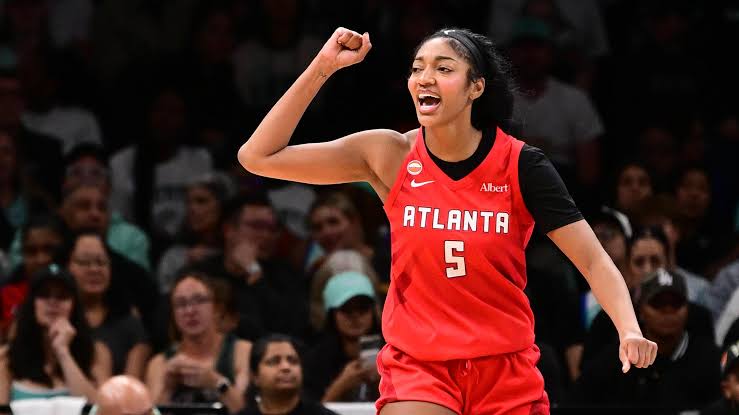
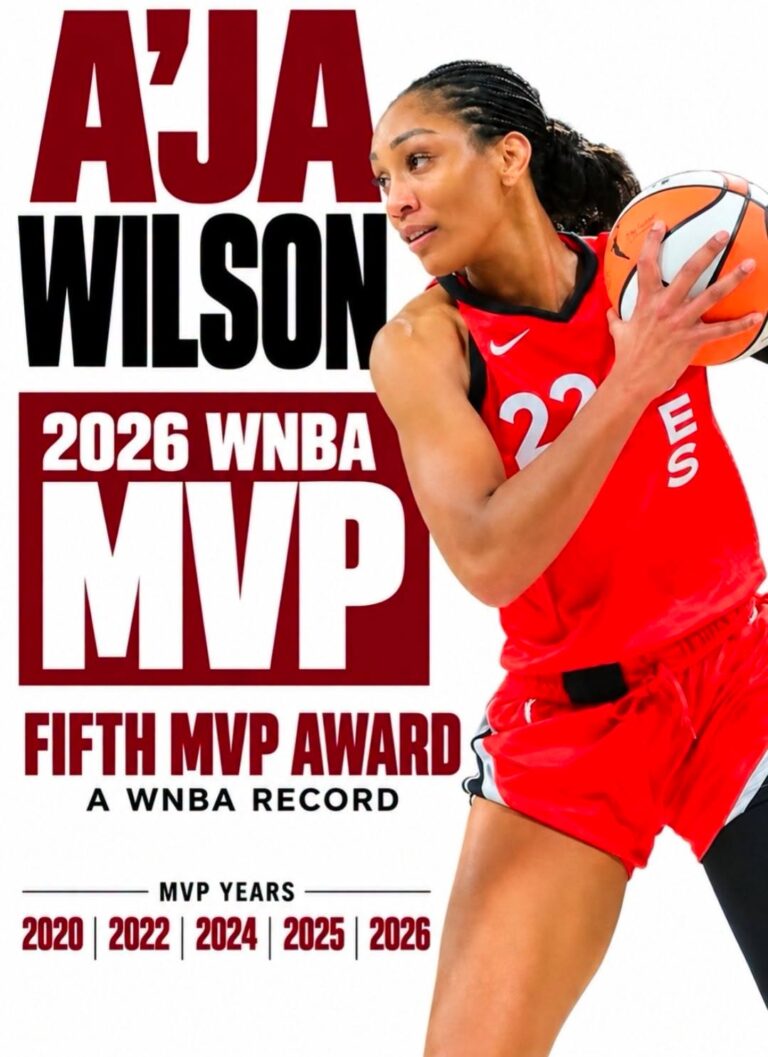
From racist vitriol directed at stars like A’ja Wilson and Angel Reese to personal attacks targeted at Clark’s own teammates, the hyper-polarized environment surrounding the Indiana Fever has created a complex web of challenges for the franchise and the league at large.
Clark’s Unwavering Position: Pure Basketball, Zero Tolerance for Hate
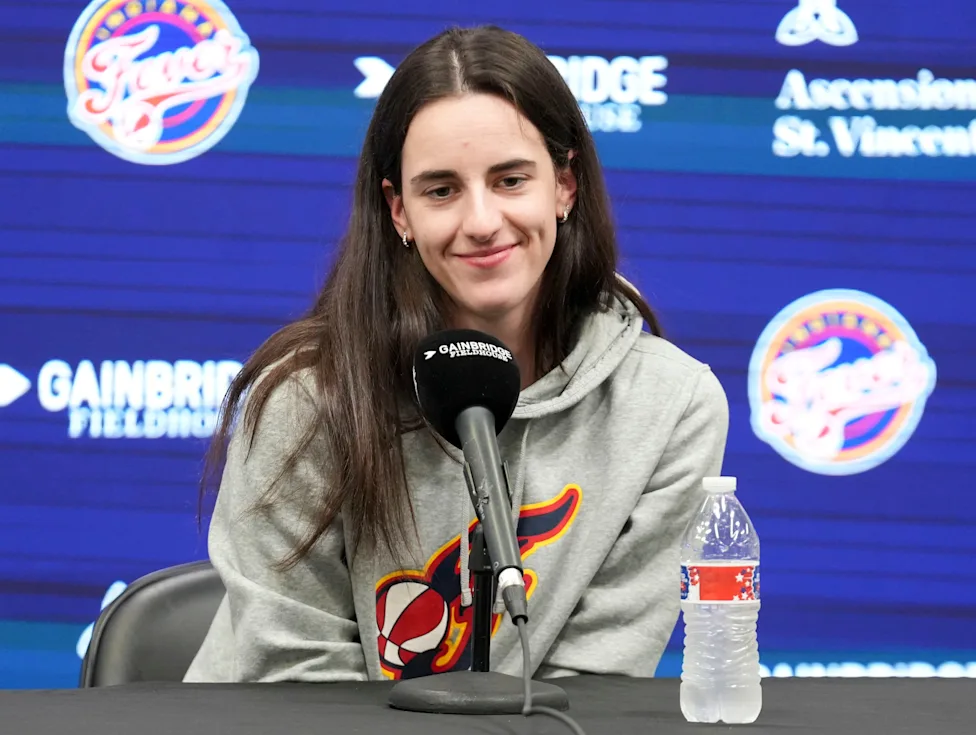
Throughout the escalating noise, Caitlin Clark has maintained a consistent and explicit stance. She has repeatedly condemned hate, rejected bigotry, and urged fans not to use her identity to demean other women in the sport.
“It’s disappointing. I think everyone in our world deserves the same amount of respect,” Clark stated in response to hateful online behavior. “The women around our league deserve the same amount of respect. People should not be using my name to push those agendas.”
Clark has routinely voiced deep reverence for the legends and veterans who built the WNBA—including superstars like A’ja Wilson—acknowledging that her focus remains strictly on basketball, supporting her teammates, and pursuing championships. However, as the digital hostility persists, her words highlight a painful reality: a superstar cannot single-handedly control the actions of bad actors who hide behind computer screens.
Caitlin Clark speaks to the media following the conclusion of the 2026 season. https://t.co/HzyKhp0tnc
— Indiana Fever (@IndianaFever) October 8, 2026
The Toll on Teammates: Kelsey Mitchell and the Free Agency Dilemma
The intense spotlight doesn’t just illuminate the court—it brings a level of scrutiny that can wear down even the most seasoned veterans. Indiana Fever guard Kelsey Mitchell, who delivered a career season operating alongside Clark, recently shed light on the heavy emotional burden that comes with being in No. 22’s orbit.
Addressing the relentless online environment, Mitchell acknowledged that players endure a massive amount of “flak” and non-stop judgment regardless of performance. With Mitchell set to enter unrestricted free agency, her perspective carries tremendous weight for Indiana’s roster construction. Mitchell emphasized the need to be “selfish” and evaluate what is best for her career and personal well-being moving forward.
Losing Mitchell would be a severe blow to the Fever on the court. Beyond her elite scoring and veteran leadership, her potential departure would signal a troubling precedent: that the collateral damage of online harassment might outweigh the benefits of playing in high-visibility markets.
Impact on Free Agency: Will Top Players Avoid the Circus?
For Indiana’s front office, the surrounding discourse poses a unique dilemma when attempting to recruit elite free agents:
- The Attraction: High visibility, sold-out arenas, lucrative national brand exposure, and playing alongside one of the premier playmakers in basketball.
- The Deterrent: Becoming an immediate target for bad-faith online mobs, having every mistake magnified, and facing intense scrutiny from factions who use player performances to fuel broader culture wars.
If prospective free agents view joining the Fever as entering an emotionally exhausting crucible, Indiana may struggle to sign elite defensive anchors or veteran stars needed to build a true championship contender around Clark and Aliyah Boston.
A Black Eye for the WNBA—And How the League Can Fix It
The normalization of hostile, bigoted attacks against Black and LGBTQ+ athletes under the guise of sports fandom represents a major stain on a league historically defined by unity, progressivism, and player empowerment. If unaddressed, this hostility threatens to alienate core fans, harm player mental health, and tarnish the sport’s image.
To protect its athletes and preserve its growth, the WNBA and its stakeholders must implement multi-layered solutions:
- Active Digital Safeguards & Moderation: Franchise social media teams and league platforms must partner with technology companies to block, filter, and permanently ban accounts engaging in targeted harassment and hate speech.
- Strict Arena Protocol: Expanding security protocols and enforcing zero-tolerance policies for fans engaging in abusive, racist, or dangerous conduct at games.
- Player Mental Health Resources: Providing comprehensive mental health support, media training, and digital safety tools specifically tailored for athletes navigating unprecedented online exposure.
- Media Accountability: Encouraging sports commentators and media outlets to focus coverage on strategic, X’s-and-O’s basketball rather than sensationalizing social media drama for rage-bait engagement.
Caitlin Clark’s desire is simple: to play basketball, respect her peers, and win titles. For the Indiana Fever and the WNBA to truly thrive in this new era, the league and its community must ensure that the court remains a place of competition and sport, rather than a battleground for bigotry.


Author Profile

- CEO NGSC Sports
Latest entries
 WNBAOctober 11, 2026Navigating the Storm: Caitlin Clark, Fan Toxicity, and the High-Stakes Future of the Indiana Fever
 WNBAOctober 10, 2026WNBA Playoffs: Historic Sweeps Send Atlanta Dream and Golden State Valkyries to the Finals
 MLBOctober 9, 2026Guardians Storm Back to Force Winner-Take-All Game 5 After 9-5 Victory Over White Sox
 NFCOctober 9, 2026Rock Bottom in Arlington: Cowboys Season Hits Wall in Prime-Time Shock to Bucs
About the Author