
Photo Credit: New York Times
 0
0
 0
0
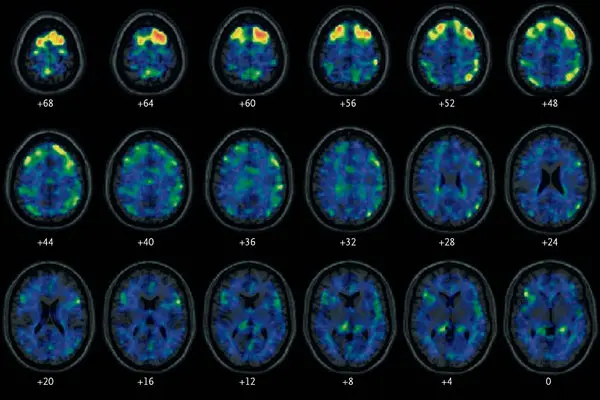
The NFL faces another major warning about the long-term effects of football. A new study has renewed concerns about chronic traumatic encephalopathy. Researchers found CTE in many former NFL players who donated their brains. However, one point needs clear explanation. Scientists cannot say CTE cases are rising across the entire NFL population. Researchers can only diagnose CTE after death right now. Therefore, no study can accurately measure CTE among all living or former players. Still, the latest research provides another troubling look at football’s risks. The study examined former NFL players who died between 2016 and 2021. Researchers identified CTE in 215 of 235 donated brains. That represents more than 91 percent of the donated brains. The researchers also examined records for 878 former NFL players who died during that period. At least 24.5 percent had CTE based on the available evidence.
The Numbers Need Context
The 24.5 percent figure does not mean one-quarter of all NFL players develop CTE. Researchers stressed that point because brain donation studies contain selection bias. Families may choose brain donation because their loved ones experienced concerning symptoms. That factor can produce a higher CTE rate within donated samples. The Boston University CTE Center made a similar warning in 2023. Researchers had identified CTE in 345 of 376 former NFL players. That represented 91.7 percent of the studied brains. Yet researchers never claimed that 91.7 percent of NFL players have CTE. The prevalence among all current and former players remains unknown. That distinction matters when discussing the NFL’s brain health crisis. The evidence remains extremely concerning, but scientists still face important limits.
Repeated Hits Remain the Major Concern
Researchers continue to focus on repeated head impacts. Those impacts can happen without producing obvious concussion symptoms. The CDC says research links long-term exposure to repeated head impacts with CTE. However, researchers need more evidence about exactly how CTE develops. A 2023 NIH report also highlighted repeated non-concussive impacts. Researchers found evidence that those impacts play a major role in CTE pathology. That finding changes how people should view football safety. Concussions matter, but they do not represent the entire problem. A player can take hundreds of head impacts without entering the concussion protocol. Those hits can still contribute to long-term exposure. Therefore, reducing only diagnosed concussions may not solve the entire issue.
The Problem Can Begin Before the NFL
Another important point involves a player’s football history. NFL players usually spend years playing football before reaching the league. Many players begin during childhood or high school. Others continue through college before entering professional football. Researchers have found evidence connecting longer football careers with increased CTE risk. One study also found a dose-response relationship between football participation and CTE. The CDC also studied head impacts among youth football players. Tackle football players recorded far more head impacts than flag football players. The study found tackle players experienced 15 times more head impacts. They also experienced 23 times more high-magnitude impacts. Those findings add another layer to the national conversation. The NFL cannot address the entire problem by itself. Football safety efforts must begin much earlier. Youth leagues, high schools and colleges also face important decisions.
CTE Can Affect More Than Memory
CTE can produce several neurological and behavioral problems. Researchers associate the disease with cognitive decline and other neurological symptoms. People with CTE may experience problems with thinking and understanding. They can also experience confusion, mood changes and impulse-control problems. However, researchers still cannot predict exactly how CTE will affect one person. Some people with CTE pathology may show limited symptoms during life. That uncertainty makes the disease especially difficult to understand. Scientists continue studying why some athletes develop severe problems. They also want to determine why symptoms vary between individuals. Those answers could eventually improve prevention and treatment.
Living Players Still Cannot Receive a Definitive Diagnosis
CTE presents another major medical challenge. Doctors currently cannot definitively diagnose the disease in living people. Researchers must examine brain tissue after death to confirm CTE. That limitation makes early intervention extremely difficult. Scientists are working hard to change that situation. Former NFL quarterback Matt Hasselbeck recently joined a major research effort. Hasselbeck volunteered for testing designed to help researchers find CTE biomarkers. The project hopes to distinguish CTE from other neurological diseases. That research could eventually transform how doctors’ approach former athletes. A reliable test could identify warning signs during a player’s lifetime. It could also help researchers understand how CTE progresses. More importantly, it could support future treatments.
The NFL Has Made Changes
The league has not ignored the problem. The NFL has introduced several measures designed to reduce head impacts. The league has limited contact during practices since 2011. It has also continued changing kickoff rules and concussion protocols. Those changes have helped reduce certain types of dangerous plays. However, researchers continue pushing for broader reductions in head impacts. The biggest challenge involves balancing football’s physical nature with player safety. The sport depends on collisions, but repeated collisions create long-term concerns. That conflict will remain difficult for the NFL. Fans want physical football, while players deserve better health protections.
The Conversation Will Continue
The latest study should not create panic among current players. It should create more urgency around prevention and research. Researchers still need better data from broader populations. They also need better ways to identify CTE during life. At the same time, football organizations should continue reducing unnecessary head impacts. That includes practices, games and youth participation. The evidence does not prove that every football player will develop CTE. It does show that repeated head impacts create a serious concern. The NFL therefore faces a complicated challenge.
The league must protect players without ignoring the realities of the sport. For former players, research could eventually provide even more answers. For current players, better prevention could make the biggest difference. The CTE conversation has changed football forever. The latest findings show why that conversation cannot disappear. The issue involves more than the NFL’s present stars. It also involves future generations who may dream of playing professional football. As researchers learn more, football must keep adapting. The goal should remain simple. Make the game safer while protecting the people who play it.



Author Profile

-
Bradley Walker (VP) and Head of our Florida operations for NGSC Sports, bringing extensive experience across collegiate, professional, and amateur athletics. His coverage spans USF Athletics, including football, baseball, lacrosse, and softball, as well as University of Tampa baseball.
Bradley also provides coverage of minor league baseball with the Clearwater Threshers and Major League Baseball with the Tampa Bay Rays. On the national stage, he covers college football bowl games and conference championship matchups, along with premier golf events across the PGA Tour, LIV Golf, and LPGA Tour.
In addition to his reporting work, Bradley is the play-by-play announcer for Pinellas Park High School Patriots football, lending his voice and insight to Friday night lights.
He is also an active podcast host and contributor, serving as a host on The Walker Report, where he delivers in-depth sports analysis, interviews, and coverage across multiple levels of competition.
Latest entries
 SportsOctober 14, 2026Next Step in Realignment: James Madison Accepts Invitation to Join the American Conference
 FootballOctober 12, 2026Bucs Stun Cowboys, Snap Losing Skid
 FootballOctober 11, 2026South Carolina Stuns Florida in SEC Showdown
 BasketballOctober 11, 2026SEC Hoops Picks: Florida Leads
About the Author


[…] isn’t alone in using helmet-mounted cameras. Reports indicate six NFL teams have used GoPro’s with quarterbacks this offseason. The group includes the Commanders, […]
[…] remains extremely dangerous. Dallas also deserves attention after upgrading its defense. The NFL’s unpredictability makes these teams worth watching. One injury or breakout player can completely […]