Ken Blaze-Imagn Images
 0
0
 0
0
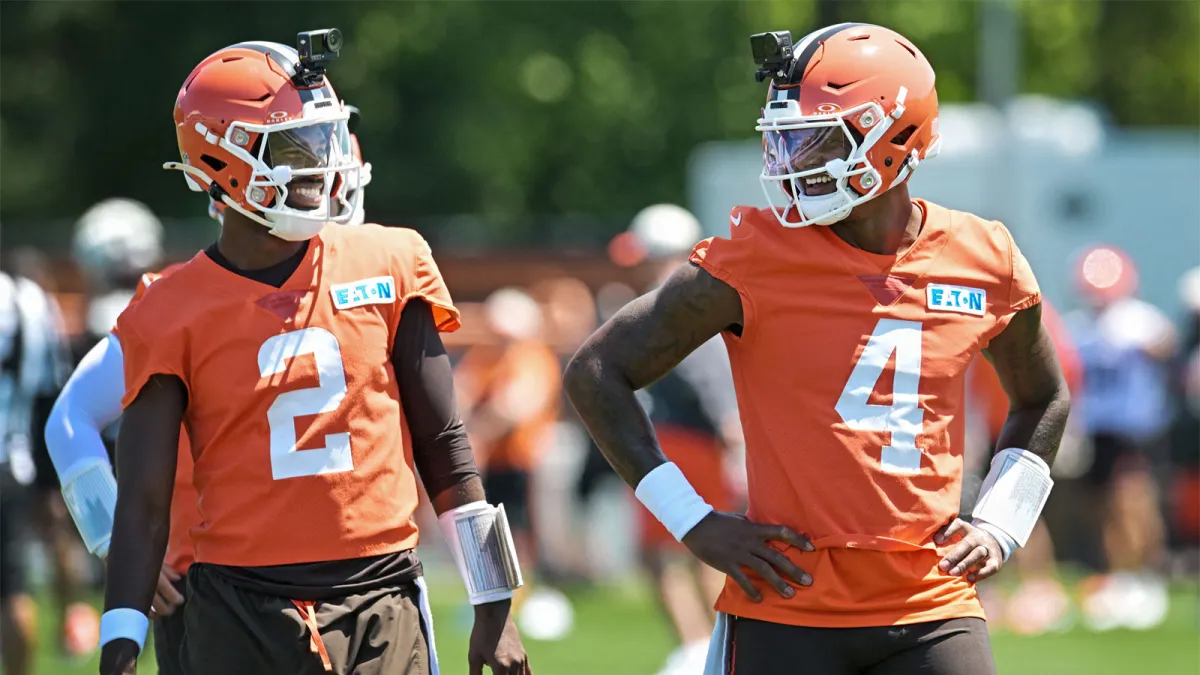
Forty-eight hours after being mercilessly booed off his own home field by Cleveland faithful, Deshaun Watson was handed the keys to the Cleveland Browns’ offense.
On Monday, first-year head coach Todd Monken made official what many feared was inevitable: Watson will be the starting quarterback for Week 1 against the Jacksonville Jaguars, pushing second-year passer Shedeur Sanders to the bench.
While Monken framed the choice as a pure football decision—stating Watson gave the team the “best chance to win on the road”—the announcement has reopened deep wounds across Northeast Ohio. It raises critical questions about organizational optics, fan alienation, and just how long this fragile arrangement can last.
1. Is This Just for Week 1? How Short Is Watson’s Leash?
Coaches love to talk about stability, and Monken was quick to emphasize that naming Watson the starter is “not a week-to-week decision.” But in the modern NFL, words at an August press conference rarely survive contact with September reality.
The functional length of Watson’s leash is microscopic.
- The Brutal Road Opening: The Browns open the season with back-to-back road games against Jacksonville and Tampa Bay. If Watson struggles and Cleveland stumbles to an 0–2 start, the pressure when they return home for Week 3 will be suffocating.
- The Built-In Alternative: Unlike past seasons where Cleveland lacked a viable backup, Sanders gained valuable starting experience in 2025. Fans and media know what Sanders looks like under center, making the trigger to bench Watson far easier to pull.
If Watson turns the ball over or looks immobile early, Monken’s “not week-to-week” stance will crumble before the end of September.
2. Is This Fair to the Cleveland Faithful?
To call the relationship between Watson and Cleveland fans “strained” is a massive understatement.
During Saturday’s preseason loss to the Buffalo Bills, Watson was greeted with loud boos from the home crowd—a stark reflection of a fanbase exhausted by four years of off-field scandals, endless injury rehabs, and dismal on-field production (Watson hasn’t thrown for 200 yards in a game since 2024).
For a loyal fanbase that has endured decades of quarterback carousels, sticking with a $230 million lightning rod over a charismatic, young signal-caller like Sanders feels like a slap in the face.
Interestingly, it was Sanders himself who offered the most graceful response to the fan hostility, publicly defending Watson postgame:
“I do not appreciate that at all. Regardless of competition, we’re all human beings… We’re all out there trying to do our best to serve the franchise.”
— Shedeur Sanders on home fans booing Watson
While Sanders’ maturity earned him respect, it doesn’t change the underlying reality: Cleveland fans feel completely disconnected from the man taking snaps under center.
3. A Lasting Black Mark on the Franchise?
The 2022 trade for Watson—giving up three first-round picks and awarding a fully guaranteed $230 million contract—is widely regarded as one of the most disastrous transactional gambles in NFL history. Entering the final year of that contract with a $40.9 million cap hit, the decision to start Watson feels like classic sunk-cost fallacy.
Should he even be considered for the job?
- The Case FOR Starting Him: From a pure football standpoint, Watson possesses veteran experience operating in hostile road environments. With two road games to start the year, Monken chose to shield Sanders from early-season meat-grinders while giving his $230M veteran one final chance to validate the franchise’s investment.
- The Case AGAINST Starting Him: Watson hasn’t played effective football in years. Having torn his Achilles twice and appeared in just 19 games over four seasons, starting him deprives Sanders of crucial first-team reps needed for his long-term development.
By prioritizing a broken past over a potential future, the Browns risk turning a dark chapter in franchise history into an ongoing saga.
4. What Should Fans Look For?
When the Browns take the field in Jacksonville on September 13, pay close attention to three key indicators:
Key Variables to Monitor in Week 1
┌─────────────────────────────────────────────────────────────┐
│ 1. Pocket Mobility & Plant Foot                            │
│    How does Watson move post-Achilles surgeries when the    │
│    pass rush collapses around him?                          │
├─────────────────────────────────────────────────────────────┤
│ 2. Intermediate Throw Velocity                              │
│    Can Watson make tight-window throws outside the numbers,  │
│    or is he relying heavily on check-downs?                │
├─────────────────────────────────────────────────────────────┤
│ 3. Sideline & Huddle Demeanor                               │
│    How does the team respond if Cleveland falls behind early?│
└─────────────────────────────────────────────────────────────┘
How Does This Play Out?
This scenario has all the ingredients of an early-season powder keg.
If Watson captures a fraction of his Houston-era form and pulls off a road win, it buys Monken and the front office temporary breathing room. But if Watson looks sluggish, turns the ball over, or leads an empty offense through the first two weeks, the call for Shedeur Sanders will become deafening.
When the Browns return to Huntington Bank Field in Week 3, Todd Monken may have no choice but to give the fans exactly what they’ve been demanding.


Author Profile

- CEO NGSC Sports
Latest entries
 LIVOctober 16, 2026The $100 Million Walk-Away: Inside Jon Rahm’s Shock Exit from LIV Golf
 MLBOctober 16, 2026Halpin’s Two-Run Blast and Bullpen Heroics Lift Guardians to 3–2 Game 3 Win Over Rays
 MLBOctober 16, 2026Clean Sweep: Brewers Erase 4–0 Deficit to Stun Dodgers 6–4 and Secure First World Series Berth in 44 Years
 MLBOctober 15, 2026One Win Away: Brewers Push Dodgers to Brink of Elimination with 6–2 Victory in Game 3
About the Author