
 0
0
 0
0
Home improvement projects tend to create more waste than expected. A garage cleanout can uncover years of stored boxes, broken furniture, and unused equipment. A remodeling job may produce drywall, flooring, cabinets, packaging, and old fixtures. Even a landscaping project can generate a surprising amount of branches, soil, fencing, and other debris.
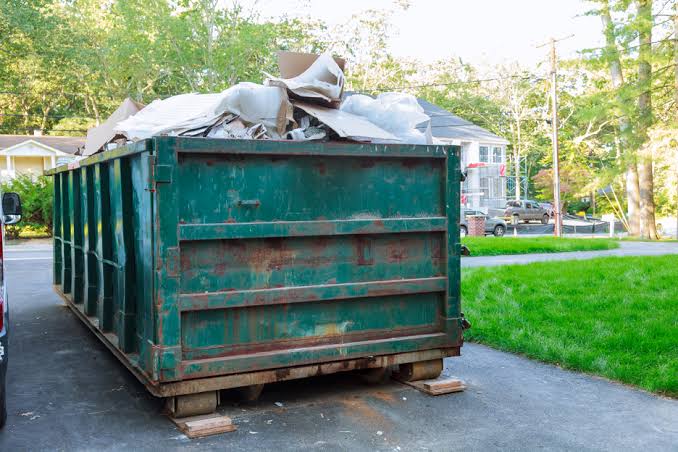
Planning waste removal before work begins can keep the project area safer and easier to manage. A dumpster rental gives homeowners one place to collect debris instead of making repeated trips with a truck or stacking waste around the property. Providers such as ACR Dumpsters can be compared based on container sizes, rental periods, weight limits, accepted materials, and delivery requirements.
Match the Container to the Work You Are Doing
The right dumpster depends heavily on the type of project.
A household cleanout usually creates bulky but relatively light waste. Furniture, cardboard boxes, toys, shelving, and general clutter can fill a container quickly without adding extreme weight.
Construction and remodeling debris behaves differently. Drywall, wood, flooring, cabinets, tile, and fixtures can become heavy as the container fills.
Landscaping projects may include branches, shrubs, sod, fencing, and other outdoor materials. Some waste companies handle yard debris differently from mixed household or construction waste, so it is worth confirming what can be combined.
Roofing work creates another type of load. Shingles are dense and can reach weight limits sooner than many homeowners expect.
Matching the container to the project helps prevent wasted space, overloading, and extra hauling.
Estimate Debris Before Choosing a Size
Many people underestimate how much room demolition debris occupies.
A bathroom vanity may look small while installed, but once it is removed along with drywall, flooring, packaging, and old fixtures, the waste pile grows quickly. Cabinets, furniture, and other large items also leave empty spaces when placed loosely in a container.
Breaking down bulky materials can make better use of available space. Flatten cardboard, disassemble damaged furniture where practical, and stack flat pieces instead of dropping everything randomly.
At the same time, bigger is not always better. Renting a very large container for a small cleanup may take up unnecessary driveway space and cost more than needed.
Before ordering, describe the project honestly to the rental provider. Sharing what you plan to throw away can help determine an appropriate container size.
Choose the Drop-Off Location Carefully
Where the dumpster sits can affect the entire project.
A driveway is often convenient because workers can carry debris directly from the house to the container. However, the dumpster should not block vehicles, garage access, walkways, or equipment that needs to move through the area.
Look above the proposed location as well. Low tree branches, utility lines, roof overhangs, and other obstacles can interfere with container delivery or pickup.
The ground should be firm enough to support both the dumpster and the delivery vehicle. Soft lawns or recently disturbed soil may not provide suitable access.
If you plan to place a container on a street or another public area, check whether local permission or permits are required before scheduling delivery.
Know What Should Stay Out of the Dumpster
Not every unwanted item belongs in a standard dumpster.
Paint, chemicals, fuel, batteries, certain electronics, tires, and other materials may have special disposal requirements. Restrictions vary by provider and disposal facility.
Never assume that an item is acceptable simply because it fits inside the container.
Ask for a list of prohibited or restricted materials before the dumpster arrives. This is especially important during garage, basement, and workshop cleanouts, where old chemicals or automotive products may be found unexpectedly.
Separating questionable items early is easier than trying to remove them from beneath a pile of debris later.
Load the Dumpster With a Plan
The way a dumpster is loaded affects both space and safety.
Start with flat or bulky materials that can sit securely at the bottom. Where possible, break large items into manageable pieces instead of tossing them in whole.
Distribute heavy material across the container rather than concentrating all the weight in one corner. Uneven loading can make transportation more difficult.
Do not allow boards, pipes, furniture, or other objects to stick over the sides. Debris should remain within the container and below the required fill level.
Avoid creating unstable piles that could shift or fall when someone approaches the dumpster.
A little organization while loading can make the container hold more and reduce problems at pickup.
Remember That Weight Matters as Much as Space
A dumpster can look only half full and still be too heavy.
Concrete, brick, dirt, roofing shingles, plaster, tile, and masonry add weight rapidly. These materials require different planning from furniture, cardboard, or general household clutter.
Ask about the included weight allowance before loading dense debris. Some projects may require a smaller container filled only to a certain level because of transportation limits.
Mixing extremely heavy material with ordinary household waste can also make it harder to estimate the final load.
If your project involves demolition of concrete, tile, or masonry, mention it when scheduling the rental rather than waiting until the container is already on site.
Avoid Waiting Until the Project Starts
Ordering waste removal at the last minute can create unnecessary disruption.
Without a container ready, workers may begin piling debris in the driveway, yard, garage, or inside unfinished rooms. That material then has to be handled a second time when the dumpster arrives.
Scheduling delivery before demolition or cleanup begins gives everyone a clear place for waste from the start.
Consider how long the work is likely to take as well. A weekend cleanout may need only a short rental period, while a renovation can stretch over several days or weeks.
Build some flexibility into the schedule rather than assuming every part of the project will go exactly as planned.
Ask About Fees Before Booking
Rental pricing can include several components.
Before confirming a dumpster rental, ask about the standard rental period, included weight, delivery, pickup, and possible extra charges. Find out what happens if you need the container longer than expected or if the final load exceeds the agreed weight.
It is also useful to ask whether certain materials carry separate charges.
When comparing ACR Dumpsters with other providers, look beyond the starting price. Clear information about limits and policies can make the final cost easier to understand.
A slightly lower advertised rate may not be the better option if the rental period, weight allowance, or pickup terms do not fit the project.
Prepare for Pickup Before the Truck Arrives
Pickup should be simple if the container has been loaded correctly.
Check that nothing extends above the sides and that loose material is contained. Remove tools, ladders, wheelbarrows, vehicles, and construction supplies from the surrounding area.
The delivery truck needs clear access to retrieve the container, so avoid parking in front of it on collection day.
Look around the ground as well. Small pieces of wood, nails, broken tile, or other debris can collect beside the dumpster during loading.
Cleaning the surrounding area before pickup leaves the property safer and makes the end of the project feel more complete.
Conclusion
Waste removal deserves the same planning as materials, tools, and labor on a home project. Choosing the right container size, preparing a suitable location, understanding material restrictions, and loading debris carefully can prevent many common problems.
Homeowners should also think about weight, rental duration, access, and pickup requirements before work begins. Heavy debris needs different handling from ordinary household clutter, and prohibited materials should be separated before they enter the container.
A well-planned dumpster setup keeps debris contained and reduces repeated handling throughout the project. Instead of treating cleanup as something to solve after demolition starts, planning disposal early can make the entire job easier to organize from the first day through final pickup.



Author Profile

Latest entries
 SportsOctober 15, 2026The Anatomy of a Point-Shaving Syndicate: NCAA Fixer Jalen Smith Sentenced to Six Years in Federal Prison
 WWEOctober 14, 2026The Ultimate Star-Maker: Why Money in the Bank Defines the Future of WWE
 SportsOctober 13, 2026How Canadian Sports Fans Follow the NFL, NBA, and MLB From North of the Border
 The HubOctober 10, 2026How Digital Marketing and Smart Budgeting Are Transforming the Sports Industry
About the Author