
 0
0
 0
0
Commercial glass plays a larger role in a business property than appearance alone. Storefront windows introduce natural light, glass doors guide daily traffic, and interior partitions help shape offices, retail spaces, restaurants, and other facilities. When one of these surfaces cracks, shifts, or breaks, the problem can quickly affect safety, security, comfort, and normal operations.
Professional commercial glass repair focuses on restoring the damaged opening while checking the surrounding frame, hardware, seals, and nearby components. A provider such as TN Glass Install can evaluate whether the glass should be repaired, replaced, or temporarily secured while a suitable replacement is prepared. Business owners who understand the basic repair process can respond more confidently when damage occurs.
Common Types of Commercial Glass Damage
Commercial properties experience several forms of glass damage, and each one requires a different response.
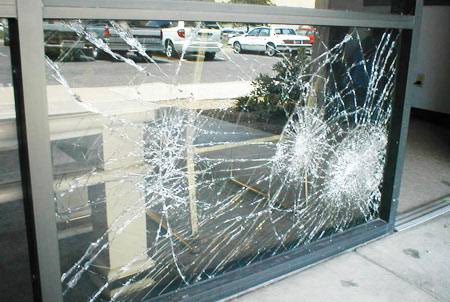
Impact damage is common around storefronts and entry doors. Shopping carts, equipment, furniture, windblown debris, or accidental contact can create chips, cracks, or complete breakage.
Temperature changes can also contribute to stress in certain panes, especially if the glass already has edge damage or another weak point.
Commercial doors may develop damage because of repeated movement. A door that is misaligned or slams too hard can place extra stress on the glass and surrounding frame.
Insulated glass units can fail without shattering. Moisture or fog appearing between panes often suggests that the seal has deteriorated.
Recognizing the type of problem helps determine whether the glass itself is the only component that needs attention.
Why Storefront Glass Should Be Addressed Promptly
A cracked storefront window may initially look like a cosmetic problem, but the situation can change quickly.
Cracks can spread after additional vibration, impact, or temperature changes. A pane that becomes unstable may present a risk to customers, employees, and pedestrians.
Storefront damage can also affect building security. A weakened pane may make the property easier to access after business hours.
Weather exposure is another concern. If the glass has broken completely, rain, wind, dirt, and outdoor debris can enter the building.
Businesses should secure the area around damaged glazing and avoid placing displays, furniture, or customer traffic near unstable glass.
Prompt inspection makes it easier to determine whether immediate replacement is possible or whether temporary protection is needed first.
Determine Whether Repair or Replacement Makes Sense
Not every glass problem can be repaired.
Minor surface scratches or small chips may sometimes be addressed depending on their location, depth, and glass type. Long cracks, edge damage, missing sections, and shattered panes generally require replacement.
Safety glass needs particular care. Tempered glass usually breaks across the entire panel once its structure fails, so patching one damaged section is not practical.
Laminated glass can remain together after cracking because of the layer between the panes, but significant damage can still require replacement.
Insulated glass presents another situation. If the seal around the unit has failed and moisture is appearing between the panes, replacing the complete sealed unit may be necessary rather than treating the visible surface alone.
A proper inspection should identify the glass type before repair decisions are made.
Inspect the Frame Along With the Glass
The frame is easy to overlook when the broken pane draws most of the attention.
However, an impact strong enough to damage commercial glass may also bend aluminum framing, loosen glazing stops, damage seals, or shift surrounding components.
Installing new glass into a distorted frame can create uneven pressure and poor alignment. The replacement pane may not sit correctly, and water or air may enter around the edges.
Look for bent sections, loose trim, separated joints, damaged gaskets, or signs of water intrusion.
Corrosion can also develop in certain framing systems, particularly where drainage has been poor for an extended period.
Commercial glass repair should therefore evaluate the whole opening rather than treating the pane as an isolated surface.
Give Commercial Glass Doors Extra Attention
Glass entry doors operate differently from fixed storefront windows because they move many times throughout the day.
A commercial door may rely on hinges, pivots, closers, handles, locks, weather seals, and other hardware. If any of these components shift, the door can begin placing uneven stress on the glass.
Warning signs include scraping, sticking, slamming, difficulty latching, or a door that no longer sits evenly within its frame.
Ignoring these symptoms may eventually contribute to hardware failure or glass damage.
When door glass breaks, the hardware should be inspected before the new pane is installed. Replacing the glass without correcting a misaligned door may allow the same stress to continue.
This is particularly important for busy entrances that serve customers, employees, deliveries, and equipment throughout the day.
What Happens During a Commercial Glass Repair Visit
The repair process usually begins with an inspection of the damaged opening.
The technician identifies the type and thickness of the glass, checks dimensions, and evaluates the frame and nearby hardware. For storefront systems, the surrounding glazing components may also need examination.
If replacement glass cannot be installed immediately, the opening may need to be temporarily secured. Boarding or another protective method can reduce exposure to weather and unauthorized access while the correct material is prepared.
Damaged glass is then removed using suitable protective equipment.
The frame is cleaned and prepared before the replacement pane or unit is fitted. Glazing materials, seals, gaskets, or stops may be replaced or adjusted when necessary.
Once installation is complete, the technician checks alignment, stability, seals, and door movement where applicable.
Understand What Commonly Causes Repeat Damage
Repeated glass failure often indicates a problem beyond bad luck.
A commercial door that regularly slams may have a worn or poorly adjusted closer. If the problem continues after replacement, the new glass may remain exposed to unnecessary stress.
Frames that have shifted can also place pressure on glass edges.
Water intrusion around seals can gradually damage framing components or surrounding building materials. In insulated units, persistent seal failure may point to installation or frame conditions that deserve closer inspection.
Exterior objects are another source of trouble. Loose signs, movable displays, landscaping equipment, or unsecured furniture can strike glazing during strong wind.
Finding the underlying cause can prevent a repair from becoming a repeated expense.
Plan Repairs Around Business Operations
Commercial glass work often takes place in active buildings, so access and scheduling matter.
A broken entrance may interfere with customer flow, deliveries, or employee access. In these cases, a temporary route may need to be established until the opening is safe.
Storefront repairs can also affect display areas or merchandise near the glass. Moving items away before work begins creates room for technicians and protects inventory from dust or fragments.
Interior glass repairs may require temporary closure of a meeting room, office, or corridor.
Business owners should discuss access needs before the appointment and identify any periods when customer traffic is especially heavy.
Planning around normal operations can reduce disruption without delaying necessary safety work.
Watch for Small Problems During Routine Inspections
Regular visual checks can catch developing issues before a pane fails completely.
Look for chips near glass edges, small cracks, loose gaskets, deteriorated seals, or moisture appearing between insulated panes.
Check doors for changes in movement. A door that suddenly becomes difficult to open, closes too quickly, or rubs against the frame deserves attention.
Storefront frames should remain straight and secure. Loose components or visible gaps may allow water and air infiltration.
Employees who work near entrances every day often notice these changes first. Encouraging them to report unusual door movement or new glass damage can help property managers respond earlier.
Small observations can prevent larger disruptions later.
Choose a Glass Contractor Based on More Than Speed
Fast response matters when an opening is broken, but it should not be the only factor used to choose a contractor.
Ask whether the company regularly works with commercial storefront systems, glass doors, insulated units, and safety glass.
A good contractor should explain what type of glass is required and why. The estimate should also make clear whether frame work, hardware adjustments, temporary securing, or cleanup are included.
Businesses comparing TN Glass Install with other contractors should also consider how carefully the surrounding system is inspected.
The goal is not simply to fill the opening again. The repair should leave the glass properly supported, aligned, sealed, and suited to the way the property is used.
Keep Records of Glass Repairs and Recurring Problems
Repair records can be useful for properties with several storefronts, doors, or glazed areas.
Note which opening was repaired, what type of glass was installed, and whether hardware or framing work was performed at the same time.
If the same door requires repeated adjustments, those records may reveal a larger alignment or structural issue.
Documentation can also help building managers maintain consistency when future panes need replacement.
Photographs of damage before and after repair may provide useful reference material, particularly for multi-tenant commercial properties.
Keeping simple records makes it easier to identify patterns instead of treating each incident as unrelated.
Conclusion
Commercial glass damage can affect safety, security, appearance, weather protection, and everyday business activity at the same time. A cracked storefront, broken door, failed insulated unit, or damaged frame should therefore be evaluated as more than a cosmetic issue.
Good commercial glass repair begins with identifying the glass type and checking the condition of the entire opening. Frames, seals, door closers, hinges, locks, and other components may all influence how well the replacement performs.
Businesses can reduce future problems by monitoring glass edges, checking door movement, addressing loose hardware, and responding promptly when cracks or seal failures appear.
Working with TN Glass Install or another experienced commercial glass professional can help determine whether the opening needs repair, full replacement, or temporary protection. Careful inspection and correct installation allow the repaired area to return to normal use while reducing the chance that an underlying problem is overlooked.



Author Profile

Latest entries
 SportsOctober 15, 2026The Anatomy of a Point-Shaving Syndicate: NCAA Fixer Jalen Smith Sentenced to Six Years in Federal Prison
 WWEOctober 14, 2026The Ultimate Star-Maker: Why Money in the Bank Defines the Future of WWE
 SportsOctober 13, 2026How Canadian Sports Fans Follow the NFL, NBA, and MLB From North of the Border
 The HubOctober 10, 2026How Digital Marketing and Smart Budgeting Are Transforming the Sports Industry
About the Author