
 0
0
 0
0
Two beds can look nearly identical from across a showroom yet feel remarkably different once someone lies down. One may respond quickly when the sleeper changes position, while another creates a slower, more cushioned sensation. Differences may also become noticeable near the perimeter or when another person moves on the opposite side.
Much of this variation comes from internal construction. A mattress can contain several layers designed to perform different roles, including cushioning, transition, structural support, and surface comfort. Understanding how these components work together gives shoppers a better way to compare beds than relying entirely on appearance or broad product categories.
Construction knowledge does not require memorizing technical specifications. Direct Outlet Mattress Raleigh gives shoppers an opportunity to experience how different designs respond under realistic conditions. By paying attention to movement, edge behavior, contouring, and overall responsiveness, consumers can identify characteristics that match the way they actually use their bed.
Mattress Layers Perform Different Jobs
Most modern beds are constructed from multiple components rather than one uniform material. The upper layers generally contribute heavily to initial comfort, while deeper sections provide structure and influence how the surface responds under greater pressure.
Transition layers may sit between these sections. Their purpose can include creating a more gradual change between soft comfort materials and firmer support components. The thickness and composition of each layer influence the overall sensation.
This explains why two products containing similar materials can still feel different. Layer arrangement, density, thickness, coil design, and cover construction can change how those materials interact when body weight is applied.
Foam Designs Can Create Distinct Movement Characteristics
Foam-based beds use material layers that compress in response to pressure. Different foam types and constructions can vary in contouring, resilience, and the speed at which they return toward their original shape.
Some sleepers enjoy a closer, more cushioned sensation around the body. Others prefer a surface that responds more quickly when they turn or change sleeping positions. Neither experience is automatically superior because individual preferences and sleeping habits differ.
Testing a mattress in normal sleeping positions can reveal these differences more effectively than pressing the surface with a hand. Full body weight shows how the layers interact across a much larger area.
Coil Systems Respond Differently to Pressure
Coils provide structural support through a network of springs beneath the comfort materials. The design and arrangement of those springs can influence responsiveness, movement, and how weight is distributed across the bed.
Not all coil systems behave identically. Differences in coil construction, arrangement, and surrounding materials can produce noticeably different experiences even among products that belong to the same broad category.
Direct Outlet Mattress Raleigh can help shoppers compare these sensations directly rather than assuming every coil-based product will feel alike. Side-by-side testing makes it easier to notice whether a surface responds quickly, feels highly cushioned, or provides the balance a shopper prefers.
Hybrid Construction Combines Material Characteristics
Hybrid designs generally combine a coil support system with substantial comfort layers above it. This construction gives manufacturers flexibility to create different combinations of cushioning and responsiveness.
Comfort Layers Shape the Initial Feel
The materials near the top influence how the body first interacts with the surface. Their thickness and response can determine whether the sleeper experiences noticeable contouring or a more buoyant sensation.
Coils Influence the Deeper Response
Once greater pressure is applied, the underlying support system contributes more significantly to the experience. This combination can feel different from designs constructed primarily from foam.
Shoppers should evaluate the complete construction instead of choosing based only on the word “hybrid.”
Construction Influences Motion Across the Bed
Movement matters particularly when two people share the same sleeping surface. One partner may change positions frequently, get into bed later, or leave earlier in the morning. How much of that movement is noticed on the other side can influence shared comfort.
Different materials absorb and transfer movement differently. Softer layers may respond locally in one way, while highly responsive components can create another sensation. The complete design determines how these characteristics work together.
Couples can test motion by lying on the bed simultaneously and changing positions naturally. This provides more realistic information than trying to predict movement performance from specifications alone.
Edge Feel Affects More Than Sleeping Position
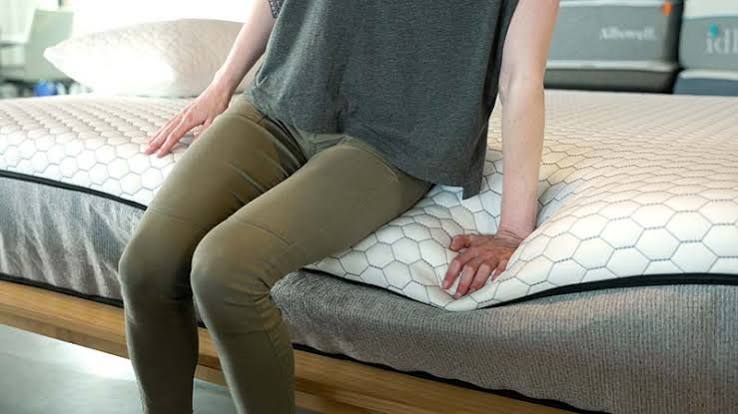
The perimeter of a bed can influence how spacious the surface feels during everyday use. People may sleep close to the edge, sit there while getting dressed, or use the perimeter when entering and leaving the bed.
Some designs incorporate specific construction intended to change how the outer portion responds under weight. Others provide a relatively consistent structure across the surface. The resulting feel can vary considerably between products.
A person who regularly uses the edge should include that behavior during testing. Sitting naturally and lying near the perimeter can reveal whether the response matches personal expectations.
Comfort Layers Influence Contouring Around the Body
Contouring describes how closely surface materials adapt around the body’s shape. Some sleepers prefer noticeable conformity, while others enjoy feeling more clearly positioned above the comfort layers.
The amount of contouring depends on more than one factor. Material type, layer thickness, body weight, sleeping position, and underlying construction all influence how deeply someone settles.
A mattress with substantial cushioning may therefore feel different to two shoppers with different body types. Personal testing remains useful because construction specifications cannot perfectly predict individual perception.
Responsiveness Matters When Sleepers Change Position
Some people remain in one sleeping position for much of the night, while others move frequently. A responsive surface changes shape relatively quickly as pressure shifts, which can create a different experience from materials with a slower response.
Combination sleepers may pay particular attention to this characteristic. They may prefer a surface that allows them to move comfortably between side, back, or stomach positions without feeling that each change requires unnecessary effort.
Direct Outlet Mattress Raleigh offers a setting where shoppers can try these movements rather than remaining perfectly still during comparison. Recreating normal sleeping habits provides more meaningful information about everyday usability.
Body Weight Changes How Layers Are Experienced
Construction does not feel identical to every sleeper. Body weight influences how deeply a person interacts with upper layers and when deeper structural components become more noticeable.
A lighter individual may primarily experience the characteristics of the comfort layers. Someone with greater body weight may engage more substantially with transition and support components beneath them.
This does not mean shoppers should select products according to one measurement alone. Sleeping position, personal preferences, shared-bed needs, and desired surface feel should also contribute to the decision.
Cover Materials Complete the Surface Experience
The outer cover is the first part of the bed the sleeper encounters, although sheets and protectors will normally sit above it during everyday use. Cover construction can influence texture, initial cushioning, and the overall presentation of the surface.
Some covers contain additional quilting or padding, while others are designed with a thinner profile. These differences can subtly change how underlying comfort materials are perceived.
Shoppers should remember that the cover is only one component. An attractive or plush top does not reveal how the deeper layers will respond after someone lies down for an extended period.
Product Categories Are Useful but Not Complete
Labels such as foam, innerspring, and hybrid provide a convenient starting point for comparison. They describe broad construction approaches, but considerable variation can exist within each category.
Two hybrid products may use different comfort layers and coil systems. Two foam designs may differ in layer thickness, responsiveness, and overall feel. Category names should therefore narrow the search rather than make the final decision.
Looking at construction details and testing several examples gives shoppers a clearer understanding of the range available within each type.
Better Comparisons Focus on How the Bed Responds
Internal construction shapes many of the characteristics sleepers notice every night. Comfort layers influence cushioning and contouring, support systems affect deeper response, and the combination of materials helps determine motion behavior, responsiveness, and perimeter feel.
Shoppers do not need to become experts in manufacturing terminology to benefit from understanding these relationships. They simply need to connect construction differences with practical experiences such as turning over, sharing the bed, sitting near the edge, and settling into a preferred sleeping position.
A thoughtful comparison goes beyond appearance and category labels. By testing how different designs respond to normal movements and body pressure, shoppers can better understand what they are buying. That knowledge makes it easier to select a sleep surface whose construction supports the comfort characteristics they value during everyday use.



Author Profile

Latest entries
 SportsOctober 15, 2026The Anatomy of a Point-Shaving Syndicate: NCAA Fixer Jalen Smith Sentenced to Six Years in Federal Prison
 WWEOctober 14, 2026The Ultimate Star-Maker: Why Money in the Bank Defines the Future of WWE
 SportsOctober 13, 2026How Canadian Sports Fans Follow the NFL, NBA, and MLB From North of the Border
 The HubOctober 10, 2026How Digital Marketing and Smart Budgeting Are Transforming the Sports Industry
About the Author