
 0
0
 0
0
Large vegetation projects create a second challenge after trees and brush are cut: deciding what to do with the material. Limbs, tops, trunks, and smaller woody growth can quickly occupy working space, block equipment routes, and complicate the next stage of a project. Material handling therefore deserves attention before cutting begins, not after piles have accumulated.
Whole Tree chipping offers one way to process substantial amounts of woody material during suitable clearing projects. Instead of treating branches and smaller tree sections as unrelated debris, the process reduces eligible material into chips that are easier to contain and manage. The method still requires thoughtful decisions about equipment access, material volume, chip placement, and the intended condition of the site.
Those decisions are especially relevant on properties where clearing is only the first phase of a larger plan. Bear Claw Land Services works with whole-tree chipping as part of its land-clearing services, placing the process within a broader vegetation-management context. Understanding where chipping fits in that sequence makes it easier to plan a work area that does not become overwhelmed by removed material.
Cutting Trees Is Only the First Part of Debris Management
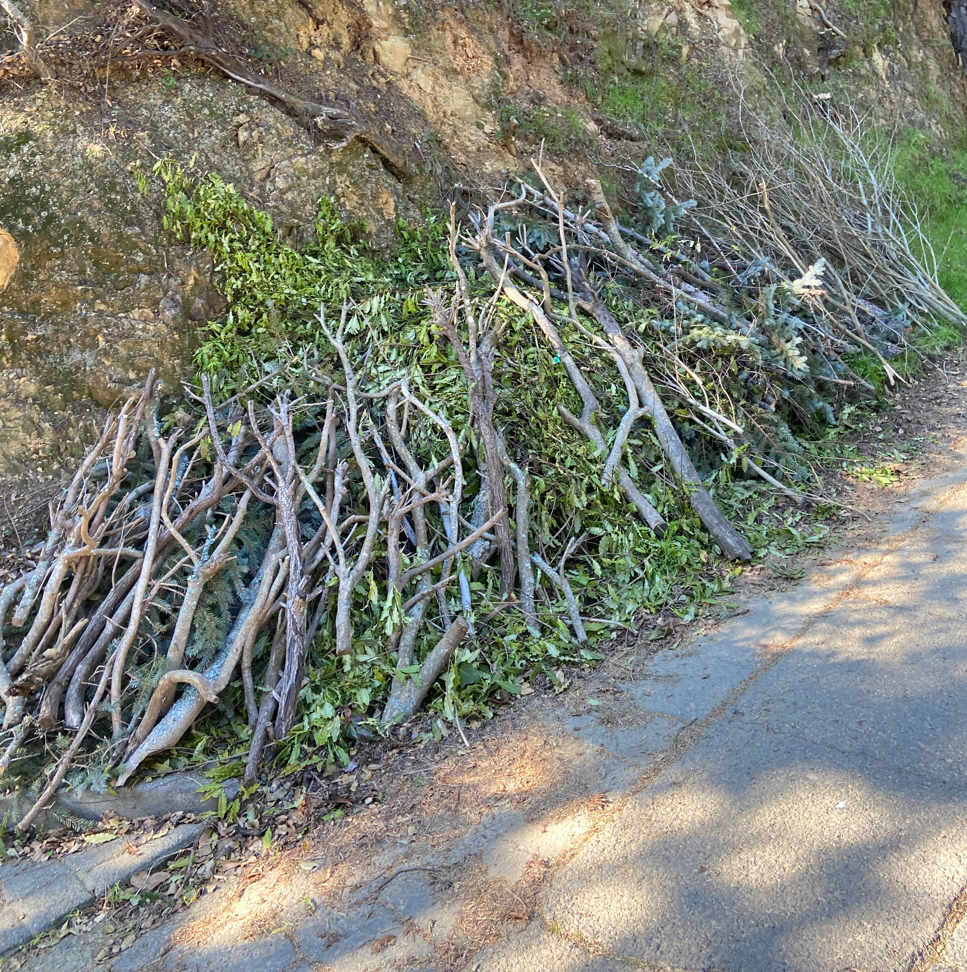
A standing tree occupies a relatively compact footprint at ground level. Once cut apart, its branches and sections spread across a much larger area. Several trees can create enough loose material to interfere with machinery, restrict travel routes, and reduce the amount of usable space available for continued work.
This difference between standing volume and loose debris is easy to underestimate during project planning. A clearing area may appear to offer plenty of working room until branches begin accumulating. Whole Tree chipping addresses the processing side of the project by reducing suitable woody vegetation into smaller material instead of leaving it in bulky piles.
Processing choices should still reflect the type of material present. Tree size, branch structure, existing deadwood, brush density, and other site conditions affect how removed vegetation must be handled. Thinking about those factors before cutting starts allows the work sequence to account for debris from the beginning.
Site Access Determines Where Processing Can Happen
Chipping equipment needs a practical route to the work area. Narrow gates, sharp turns, steep sections, fences, overhead obstacles, soft ground, and limited staging space can influence where processing is possible. The shortest route to the vegetation is not necessarily the most workable route for machinery.
Material movement also matters when equipment cannot reach every part of a property directly. Trees or branches may need to be brought from cutting areas to a suitable processing location. Longer movement distances add another stage to the operation and can change how crews organize clearing across the site.
For projects involving Bear Claw Land Services, identifying access limitations before vegetation removal gives the material-management plan a clearer structure. Property owners should point out gates, utilities, drainage features, structures, septic components, and other known obstacles that could affect travel. A usable staging area can be just as important as access to the trees themselves.
Chipping Changes Volume but Does Not Make Material Disappear
A chipper reduces bulky woody vegetation into much smaller pieces, but the processed material still needs somewhere to go. This distinction matters because property owners sometimes focus on eliminating branch piles without deciding how the resulting chips will be managed.
Whole Tree chipping may reduce the space needed for loose woody debris and simplify handling, depending on the project. Chips might remain on the property when appropriate to the land-use plan, or material management may involve another arrangement. The intended destination should be discussed before processing starts so the project does not simply exchange one storage problem for another.
The amount of material matters as well. A few removed trees produce a very different chip volume from clearing a heavily wooded section. Estimating the scale of vegetation being processed gives property owners a more realistic understanding of the space and handling decisions involved.
Different Tree Parts May Follow Different Paths
Whole-tree processing does not mean every piece of woody material automatically receives identical treatment. Site objectives, tree dimensions, equipment limits, and plans for usable wood may affect how individual sections are handled. Large trunks, for example, may have a different destination from tops and branches.
Decide What Should Be Retained Before Work Starts
Some property owners may want suitable logs or sections kept for a planned use. Those preferences should be identified before material is mixed into the processing flow. Setting aside retained material early avoids unnecessary handling later.
Separate Unrelated Debris From Woody Material
Old fencing, wire, stones, construction debris, and other foreign objects may be hidden in overgrown areas. These materials should not be treated as ordinary vegetation. Inspecting work zones and identifying known debris supports a cleaner processing plan and reduces confusion once clearing is underway.
Bear Claw Land Services can be considered within this broader sequence because its listed services include land clearing and whole-tree chipping. The practical value of planning lies in matching the treatment of removed material to the property’s next use instead of assuming every piece should follow the same path.
Staging Areas Keep Large Projects Moving
A staging area provides temporary space where vegetation can be organized before or during processing. Its location affects how far material must travel, how easily machinery can turn, and whether processed material interferes with sections that have already been cleared.
Poor staging choices create avoidable congestion. A pile placed across a future access route may need to be moved twice, while material stacked near a structure or fence can restrict later work. The staging location should support the sequence of the project rather than simply occupy the nearest open patch of ground.
Whole tree chipping Colorado becomes easier to integrate when cutting, material movement, processing, and chip handling follow a planned order. On larger sites, dividing work into sections may prevent debris from accumulating across the entire property at once. Completing one manageable area before moving deeper into the site can also keep important travel routes open.
The Next Land Use Should Influence the Cleanup Standard
Not every cleared area needs to finish in the same condition. A future building zone may require further site work after vegetation is removed, while a wooded access corridor could have a much simpler objective. Recreational areas, fence routes, utility corridors, and open spaces also create different expectations for leftover material.
Defining the desired finish prevents confusion about what “cleared” means. Chipped material that is acceptable in one section may interfere with another planned use. Property owners should identify where clean access is required, where organic material may remain, and which areas will undergo additional work.
Bear Claw Land Services operates across several vegetation-management services, so whole-tree processing can be viewed as one possible stage rather than the final purpose of a property project. The finished condition should be tied to what comes next. That perspective keeps material processing connected to the practical reason the vegetation was removed.
Material Planning Should Begin Before the First Cut
Large clearing projects run more logically when removed vegetation has a defined path from the start. Access routes, staging space, material separation, processing locations, chip volume, and the desired site finish all influence how that path should be organized.
Whole Tree chipping is most useful to consider as a material-management process rather than simply a way to dispose of branches. It changes the form and volume of suitable woody material, but property owners still need to decide where that material belongs and how the work area will function during processing.
A good clearing plan therefore looks beyond the trees that need to come down. It considers where equipment will move, where vegetation will collect, what material should be retained, and how the cleared ground will be used afterward. Answering those questions early keeps debris management connected to the larger purpose of the project.



Author Profile

Latest entries
 SportsOctober 15, 2026The Anatomy of a Point-Shaving Syndicate: NCAA Fixer Jalen Smith Sentenced to Six Years in Federal Prison
 WWEOctober 14, 2026The Ultimate Star-Maker: Why Money in the Bank Defines the Future of WWE
 SportsOctober 13, 2026How Canadian Sports Fans Follow the NFL, NBA, and MLB From North of the Border
 The HubOctober 10, 2026How Digital Marketing and Smart Budgeting Are Transforming the Sports Industry
About the Author