
 0
0
 0
0
Moving to a nearby home may involve a short drive, but children can experience the change very differently from adults. Familiar bedrooms, neighborhood routines, play spaces, and everyday surroundings may suddenly change at the same time. Parents who prepare for these smaller transitions can make moving day feel more predictable.
A family-focused plan should account for more than boxes and furniture. Children need clear explanations, familiar belongings, appropriate responsibilities, and a comfortable routine before and after the move. During local moving, these details can help families preserve some normality even while the household is temporarily unsettled.
Parents also benefit from separating child-related planning from the physical work of relocation. Clever Carriers operates within this moving environment, where organized household preparation can support a more manageable transition. Deciding how children will participate, where they will spend moving day, and what they need immediately afterward can reduce unnecessary confusion.
Explain the Move in Terms Children Can Understand
Children often respond better to concrete information than vague promises about an upcoming change. Parents can explain when the move will happen, what the new home will be like, and which familiar parts of daily life will remain the same. The amount of detail should match the child’s age and ability to understand.
A calendar can make the timeline easier to visualize. Marking packing days, the final night in the current home, and the first day at the new address gives children clear reference points. Younger children may benefit from counting down a few important milestones rather than hearing a long list of moving tasks.
Questions may also appear repeatedly. Patiently answering the same concern can provide reassurance when a child is still processing the change. Parents should avoid promising that nothing will feel different, because acknowledging real changes makes explanations more credible.
Let Children Participate Without Creating Pressure
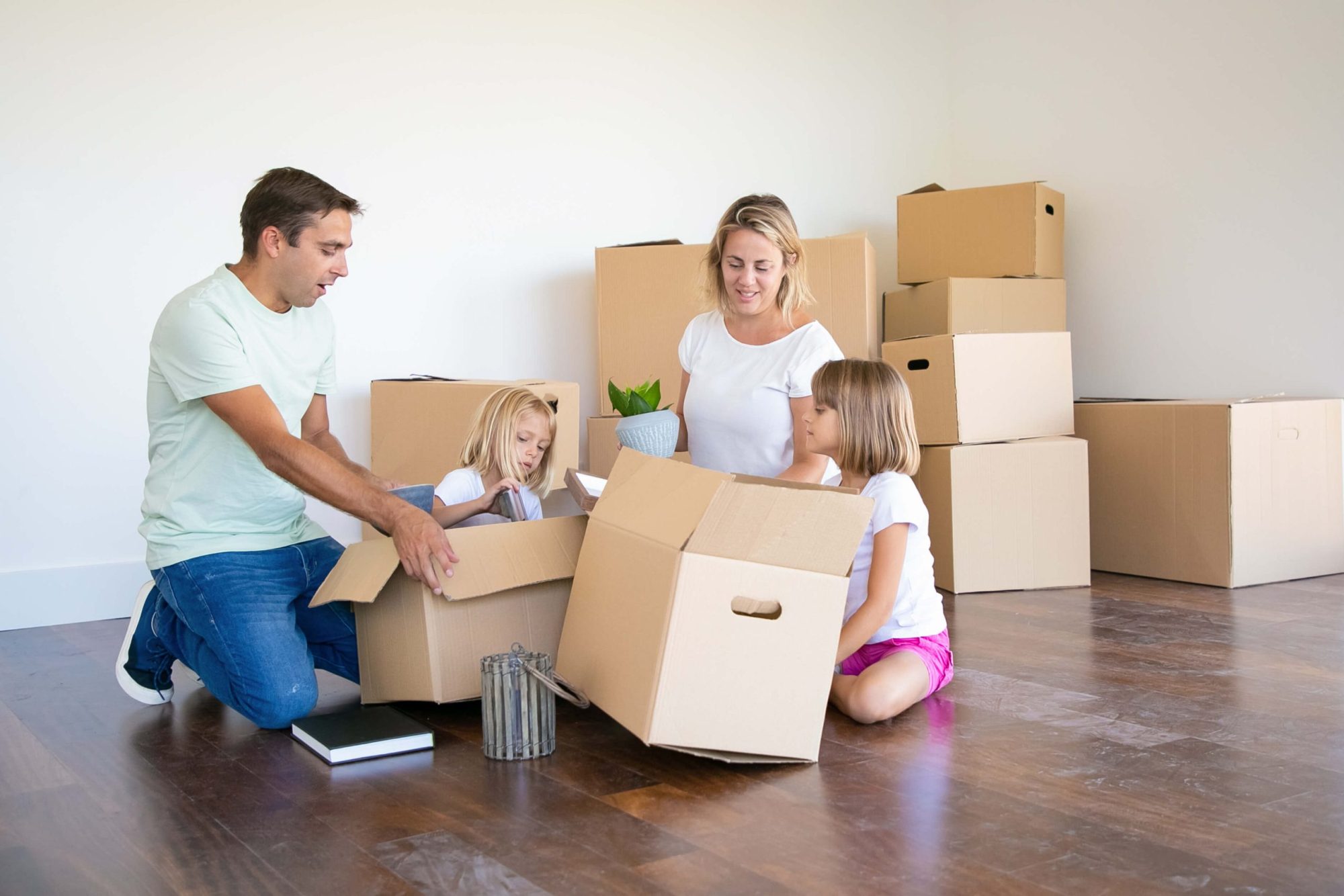
Giving children manageable responsibilities can help them feel included. Younger children might place soft toys in a box or choose which books should remain accessible, while older children may label containers or organize belongings by category.
Participation should remain appropriate to age and ability. Moving heavy boxes, handling breakable objects, or working near active loading areas should be left to adults. The purpose is to create involvement, not to turn children into additional moving labor.
Clever Carriers can handle the transportation side while families focus on responsibilities that make sense for each household member. Keeping these roles separate also allows parents to maintain safer boundaries once loading and unloading begin.
Pack Familiar Belongings With Extra Care
A favorite blanket, stuffed animal, book, or night-light may seem ordinary to an adult but provide valuable familiarity for a child. These possessions should not be buried inside boxes that may remain unopened until late in the unpacking process.
Prepare a personal bag for each child with a few comforting and practical items. Include suitable clothing, basic toiletries, entertainment, snacks where appropriate, and anything regularly used during bedtime. Keeping these belongings accessible can make the first hours in the new home less disruptive.
Important school materials may deserve similar treatment. Backpacks, devices, assignments, uniforms, or activity equipment should remain easy to locate if the move happens during an active school period.
Decide Where Children Will Spend Moving Day
Loading areas contain frequent foot traffic, open doors, equipment, furniture, and stacks of boxes. Even children who normally follow household rules may become distracted by unusual activity. Parents should decide beforehand how supervision will work.
Consider a Separate Safe Location
Some families may arrange for children to stay with a trusted relative or caregiver during the busiest portion of the move. This can reduce distractions for adults while giving children a calmer environment until major loading is complete.
Create a Clearly Defined Space When They Stay
If children remain at the property, designate a room or area away from active pathways. Provide activities, drinks, and familiar possessions there. An adult should remain responsible for supervision rather than assuming workers or other household members are watching them.
Planning this arrangement before local moving begins prevents parents from trying to solve childcare needs while doors are open and furniture is already being carried.
Protect Daily Routines Where Practical
Relocation temporarily changes the household, but not every routine needs to disappear. Regular meals, familiar bedtime steps, and normal wake-up times can provide useful structure during an otherwise unusual period.
Perfect consistency may not be realistic on moving day. The goal is to preserve recognizable parts of the routine rather than follow every schedule exactly. A familiar bedtime story or usual breakfast can make the new surroundings feel less unfamiliar.
Parents should also prepare for tiredness. Children may become overwhelmed after a long day even when they were initially excited about the move. Keeping the first evening simple leaves room for adjustment without adding unnecessary activities.
Make the New Bedroom an Early Priority
Adults may be tempted to unpack the kitchen or living room first, but setting up children’s sleeping areas early can provide an immediate sense of belonging. The room does not need to be completely decorated before it becomes useful.
Start with the bed, bedding, essential clothing, and several familiar possessions. If practical, arranging important furniture similarly to the previous room may create continuity. Older children can have more input into how they want their new space organized.
Clever Carriers can place clearly labeled furniture and boxes in the intended rooms during unloading when destination information is established. Families can then concentrate on making priority spaces functional rather than moving containers around the house afterward.
Introduce the New Neighborhood Gradually
One advantage of a nearby relocation is that families may remain close to familiar places. Children might keep the same school, friends, activities, parks, or favorite businesses depending on the distance involved. Pointing out these continuities can make the change easier to understand.
At the same time, the new neighborhood deserves a calm introduction. A short walk can help children identify the house, nearby streets, playgrounds, or other recognizable landmarks. There is no need to explore everything immediately.
Parents should establish safety expectations before children begin navigating unfamiliar surroundings independently. Traffic patterns, building entrances, shared spaces, and property boundaries may differ from those around the previous home.
Coordinate School and Activity Essentials Separately
School schedules can add pressure when a move occurs during the academic year. Important paperwork, transportation information, activity equipment, and daily supplies should remain separate from ordinary household packing.
If children are changing schools, parents can organize necessary records before moving day. If they are staying at the same school, the family should still consider whether the new address changes transportation arrangements or morning travel time.
Keeping these responsibilities on a separate checklist prevents them from becoming lost among general moving tasks. Local moving may cover a limited distance, but even a small location change can affect daily schedules.
Expect Different Reactions From Different Children
Siblings may respond to the same move in completely different ways. One child may be excited about a new bedroom while another misses the previous neighborhood. Neither response necessarily predicts how quickly each child will adjust.
Parents can create opportunities for children to talk without forcing enthusiasm. Asking what they like, what feels strange, and what they miss produces more useful conversations than insisting the new home should already feel comfortable.
Clever Carriers supports the physical relocation process, while emotional adjustment continues within the family after the boxes arrive. Recognizing that distinction helps parents give children time to become familiar with their new surroundings.
Build Familiarity Before Expecting Everything to Feel Normal
A successful family move is not measured by how quickly every box disappears. Children often benefit more from predictable routines, accessible comfort items, safe supervision, and a functional bedroom than from a perfectly organized home on the first night.
Parents can make the transition easier by explaining the move clearly, assigning manageable tasks, protecting important routines, and preparing child-specific essentials. These steps give children recognizable points of stability while the physical environment changes around them.
The advantage of a nearby move is the opportunity to combine a new home with familiar parts of everyday life. By preserving what matters while introducing changes gradually, families can turn relocation into a manageable adjustment rather than expecting everyone to adapt immediately.



Author Profile

Latest entries
 SportsOctober 15, 2026The Anatomy of a Point-Shaving Syndicate: NCAA Fixer Jalen Smith Sentenced to Six Years in Federal Prison
 WWEOctober 14, 2026The Ultimate Star-Maker: Why Money in the Bank Defines the Future of WWE
 SportsOctober 13, 2026How Canadian Sports Fans Follow the NFL, NBA, and MLB From North of the Border
 The HubOctober 10, 2026How Digital Marketing and Smart Budgeting Are Transforming the Sports Industry
About the Author