 0
0
 0
0
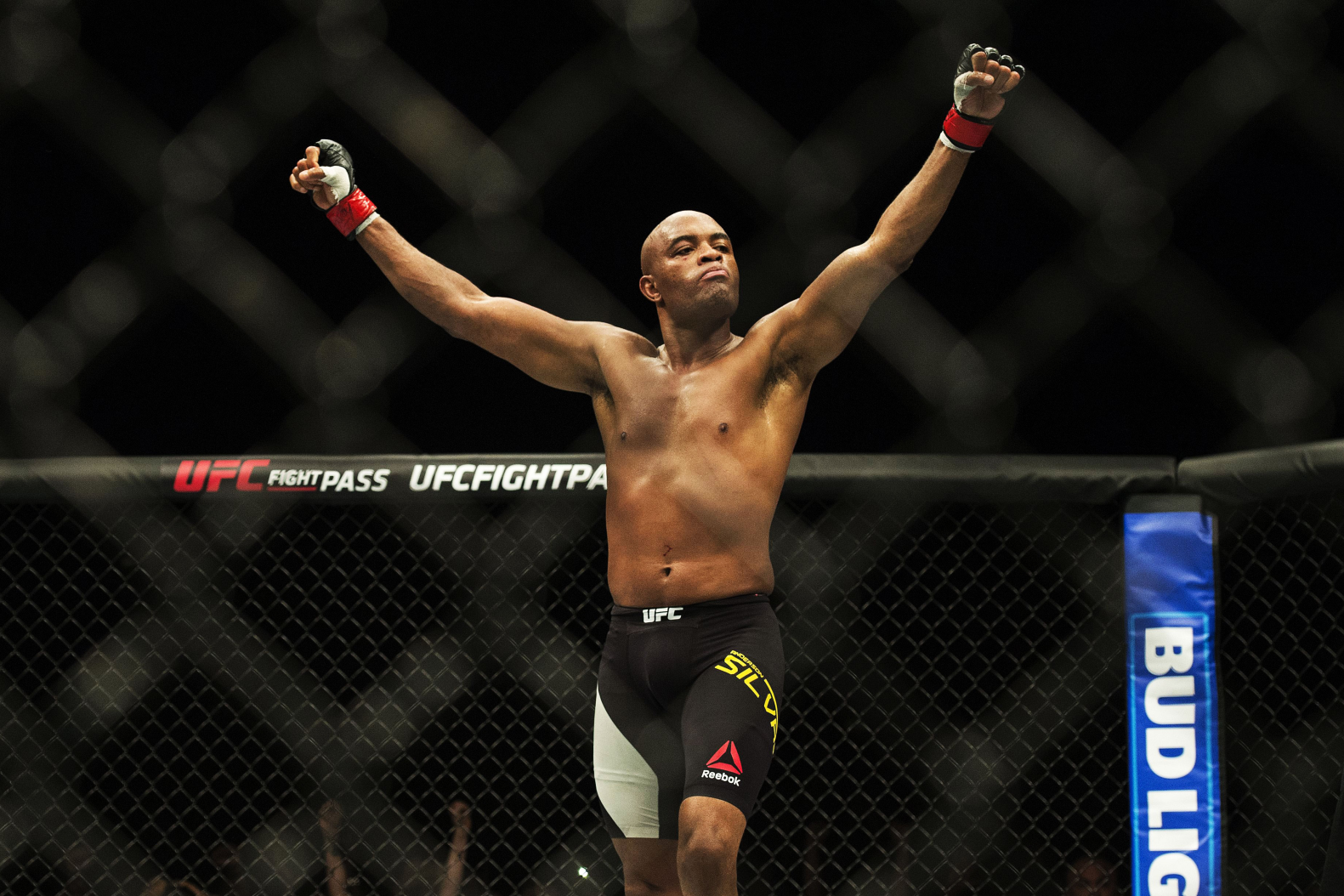
Anderson Silva’s story didn’t start in the Octagon. It started years earlier, in gyms across Brazil and Japan, long before most UFC fans knew his name.
Early Life and Roots
Anderson Silva was born in São Paulo and raised in Curitiba, Brazil. As a kid, he trained in jiu-jitsu alongside other children before moving into striking arts like Taekwondo and Muay Thai as a teenager. He eventually earned a black belt in Brazilian Jiu-Jitsu and Taekwondo, plus a black Pra Jiad in Muay Thai and a yellow belt in Capoeira, giving him one of the most well-rounded skill sets in the sport before he ever signed with a major promotion.
Turning Pro
Silva began fighting professionally in 1997, and it wasn’t a flawless start; he lost his very first fight to Luiz Azeredo by decision. From there, though, he took off, reeling off nine straight wins, six by finish. That run carried him to Japan, where he fought for the Shooto organization. In 2001, he was matched against Hayato Sakurai, Shooto’s reigning middleweight champion, who was riding a 20-fight unbeaten streak. Silva won by unanimous decision, becoming the first fighter to ever beat Sakurai and claiming the Shooto middleweight title in the process — a genuine landmark win that put him on the international radar.
Pride and Cage Rage Years
In 2002, Silva signed with Pride Fighting Championships in Japan, one of the biggest stages in the sport at the time. He opened strong, finishing Alex Stiebling with strikes off a cut from a high kick, then outpointing veteran Alexander Otsuka, and later stopping former UFC welterweight champion Carlos Newton with a flying knee. But Pride also handed him real adversity — a loss to Daiju Takase at Pride 26 was so discouraging that Silva reportedly considered walking away from the sport altogether. A submission loss to Ryo Chonan, who caught him with a rare flying scissor heel hook, ultimately got him cut from the promotion. He landed next in England’s Cage Rage organization, where he rebuilt his momentum, winning the Cage Rage middleweight title with a finish of striker Lee Murray in September 2004, and successfully defending it against the likes of Tony Fryklund.
Arriving in the UFC
By 2006, Silva had built a résumé that made him one of the most feared strikers outside the UFC. He signed and made his promotional debut at Ultimate Fight Night in June 2006 against Chris Leben, finishing him in well under a minute with a combination capped by a knee. That performance was so dominant that the UFC didn’t ease him in — his very next fight, just his second appearance in the organization, was a middleweight title shot against champion Rich Franklin at UFC 64. Silva battered Franklin’s body with knees before finishing him in the first round, taking the belt in only his second UFC bout.
Title Reign
What followed was one of the most dominant championship runs in MMA history. Silva defended the middleweight title ten times, beating a murderer’s row of contenders — Franklin again, Dan Henderson in a title unification bout, Vitor Belfort, Chael Sonnen twice, and others — while also stepping up to light heavyweight on occasion to knock out bigger names like James Irvin and Stephan Bonnar. He held the belt for roughly seven years, setting the UFC record for longest title reign in company history.
The Upset Nobody Saw Coming
That reign finally ended at UFC 162 in July 2013, and it stunned nearly everyone watching. Silva had spent years toying with opponents, and against Chris Weidman – an undefeated but relatively untested challenger- dropped his hands and clowned around in typical fashion. Weidman made him pay, catching him clean and knocking him out. For a fighter many considered the greatest of all time, and for a UFC roster and fanbase that had grown used to seeing him look untouchable, it was a genuine gut-punch of a result; the kind of loss nobody had built a real contingency plan for.
The rematch six months later, at UFC 168 in December 2013, was supposed to be Silva’s redemption. Instead, it became one of the sport’s most painful moments. Weidman controlled the first round on the ground, and early in the second, Silva threw a low kick that Weidman calmly checked. Silva’s shin snapped on impact, and he crumpled to the mat in visible agony, needing to be stretchered out of the arena. The fight was waved off, handing Weidman a technical knockout and the title. It was shocking on every level — for the promotion, which watched its biggest attraction go down on a routine strike; for the crowd, which had shown up expecting a statement-making comeback; and most of all for Silva himself, who at 38 years old faced a long recovery with no guarantee he’d ever compete at that level again.
Between the shock knockout and the freak leg break, those two fights against Weidman closed the book on Anderson Silva’s prime — a fittingly dramatic end to a career that began in small Brazilian gyms and grew into one of the greatest runs the sport has ever seen.



Author Profile

Latest entries
 SportsOctober 15, 2026The Anatomy of a Point-Shaving Syndicate: NCAA Fixer Jalen Smith Sentenced to Six Years in Federal Prison
 WWEOctober 14, 2026The Ultimate Star-Maker: Why Money in the Bank Defines the Future of WWE
 SportsOctober 13, 2026How Canadian Sports Fans Follow the NFL, NBA, and MLB From North of the Border
 The HubOctober 10, 2026How Digital Marketing and Smart Budgeting Are Transforming the Sports Industry
About the Author