
 0
0
 0
0
Running kit has changed considerably over the past decade. GPS watches track everything from pace to recovery, modern trainers contain increasingly sophisticated foams and plates, and technical clothing has become standard even among recreational runners.
Yet one of the most common problems runners face remains surprisingly basic: where do you put your stuff?
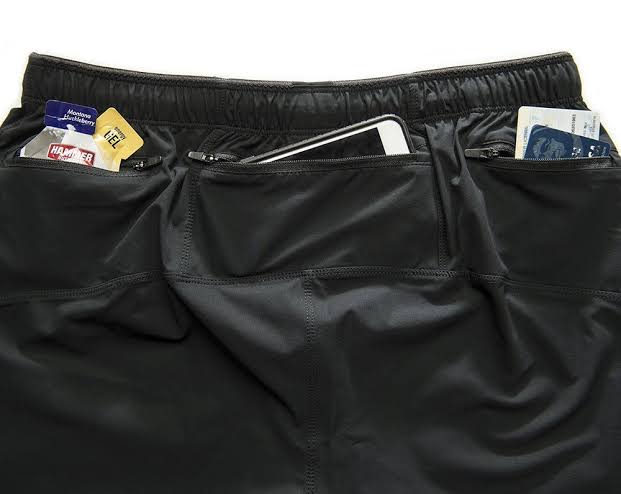
Phones are getting larger, runners are carrying nutrition on longer sessions, and many people still need somewhere for keys, cards and other small essentials. Traditionally, the answer has been pockets.
But anyone who has tried running with a modern smartphone bouncing around inside a pair of shorts knows that pockets are not always the perfect solution.
That is one reason dedicated running storage, particularly running belts, has become an increasingly practical part of everyday running kit.
The Modern Runner Carries More
Go back far enough and heading out for a run could genuinely mean putting on your trainers and leaving the house.
For many runners, that is no longer the reality.
The smartphone has probably made the biggest difference. It can simultaneously act as a GPS tracker, route map, music player, camera, payment method and emergency contact.
Then there are house or car keys.
Move into longer-distance training and the list can grow again. Energy gels, chews and other forms of nutrition need somewhere to go, while some runners carry identification, medication or other personal essentials.
None of these items is particularly large individually.
Put them together, however, and running storage suddenly matters.
Why Pockets Don’t Always Work
Running clothing manufacturers have responded by adding more pockets to shorts, leggings and tights.
For many runners, that works perfectly well.
A secure phone pocket built into compression shorts can be an excellent solution, particularly for shorter sessions where very little else needs to be carried.
Problems tend to begin when pockets become overloaded.
Weight in a loose shorts pocket can cause the fabric to move with every stride. A phone can bounce against the leg, keys can rattle and overloaded waistbands can start feeling less secure.
There is also the issue of accessibility. A zipped rear pocket may be perfect for a house key but considerably less convenient when you want to retrieve an energy gel without breaking stride.
That has created room for another solution.
The Running Belt Has Become a Practical Alternative
A modern running belt takes the storage that might otherwise be concentrated in individual clothing pockets and moves it around the waist.
The concept is simple, but fit makes a substantial difference.
Rather than behaving like a traditional waist bag hanging away from the body, running-specific belts are designed to sit much closer to the runner.
That matters because running involves constant repetitive movement. Something that feels perfectly comfortable while walking can become irritating after thousands of strides if it continually moves or bounces.
The objective is not simply to carry more. It is to carry what you already need more comfortably.
The Smartphone Has Changed Running Storage
Phone size is an important part of this trend.
Smartphones have become increasingly capable, but many have also become considerably larger than the devices runners carried a decade ago.
That can create an awkward choice.
Leaving the phone at home is appealing for runners who want to disconnect, but it is not practical for everybody. Some need it for navigation or run tracking. Others want music, podcasts or the reassurance of being able to contact somebody if something happens.
Holding it works, but becomes less attractive as the distance increases.
A storage system that keeps the phone secure while leaving both hands free therefore solves a very modern running problem.
Long-Distance Training Makes Storage More Important
The difference between running 5K and training for a marathon is not simply another 37 kilometres on race day.
The training itself changes.
Weekend long runs gradually become longer, and runners can find themselves away from home for several hours. Fuelling becomes part of the conversation, meaning gels or other carbohydrate sources may need to be carried.
A runner who only needed a phone and key at the beginning of a training plan may eventually be leaving home with several additional items.
This is where runners tend to choose between clothing pockets, a belt and a running vest.
There is no universally correct answer.
Running Belt or Running Vest?
Both have become increasingly common, but they solve different storage problems.
A running vest provides substantially more capacity and is particularly useful when hydration needs to be carried alongside nutrition, a phone and potentially additional clothing.
For trail running or long sessions without access to water, that extra capacity can be extremely useful.
A belt is deliberately simpler.
If a runner only needs a phone, keys, cards and several gels, wearing an entire vest may feel unnecessary. A belt provides additional storage without covering the upper body.
The decision therefore depends largely on the run.
Someone might use pockets for a 5K, a belt for a half-marathon training session and a hydration vest for a long trail run.
Running storage is becoming less about finding one solution for everything and more about choosing the appropriate option for each session.
Race-Day Fuelling Has Added Another Use
Running belts are also increasingly visible at organised races.
Half marathon and marathon runners often arrive with a carefully practised fuelling strategy, particularly when they are unsure whether the nutrition provided by the event will suit them.
Carrying your own gels gives you greater control over what you use.
The challenge is fitting them somewhere.
Loading four, five or six gels into shorts pockets can become cumbersome, particularly when a phone is already occupying the largest available pocket.
A belt allows fuel to be distributed around the waist and, depending on its design, accessed while running.
The important word is practised.
Whatever storage system a runner intends to use on race day should have already been tested during training. A marathon start line is not the place to discover that a belt is too loose or that a particular pocket is difficult to reach.
Fit Matters More Than Capacity
When choosing running storage, it is tempting to focus on how much it can hold.
Fit should arguably come first.
A huge amount of capacity is pointless if the belt moves every time your foot hits the ground.
It should feel secure without becoming uncomfortably restrictive. Runners should also think about how the weight will be distributed once the belt is loaded.
Putting a heavy phone alongside everything else in one small area can feel very different from spreading items around the waist.
As with running shoes, the real test comes from using the product while actually running rather than judging it while standing still.
Running Equipment Is Moving Towards Convenience
The running industry often attracts attention for expensive technological innovation, but not every useful development needs to be complicated.
Running belts are almost the opposite.
They do not record your pace, analyse your stride or claim to improve running economy. They simply address an inconvenience created by the way people now run.
And that may explain their increasing appeal.
The modern recreational runner is often carrying technology, personal belongings and, over longer distances, nutrition. Clothing pockets remain perfectly adequate for many sessions, while hydration vests are invaluable when greater capacity is required.
The running belt sits neatly between the two.
As phones remain an everyday part of running and more people challenge themselves over longer distances, runners will continue needing somewhere to put the things they take with them.
Sometimes the most useful running equipment is not the kit that promises to make you faster.
It is the kit that allows you to forget about what you are carrying and simply get on with the run.



Author Profile

Latest entries
 MMAOctober 7, 2026Petr Yan vs. Merab Dvalishvili III: A Trilogy Built on Chaos, Cardio, and Championship Stakes
 CasinoOctober 6, 2026Wildies Casino Bonuses for Bigger Jackpot Ambitions
 CasinoOctober 6, 2026Royalen Casino: Security, Payouts and Player Trust
 CryptocurrencyOctober 6, 2026Best No KYC Crypto Casinos 2026: Top 3 Sites Reviewed
About the Author